EN
EN



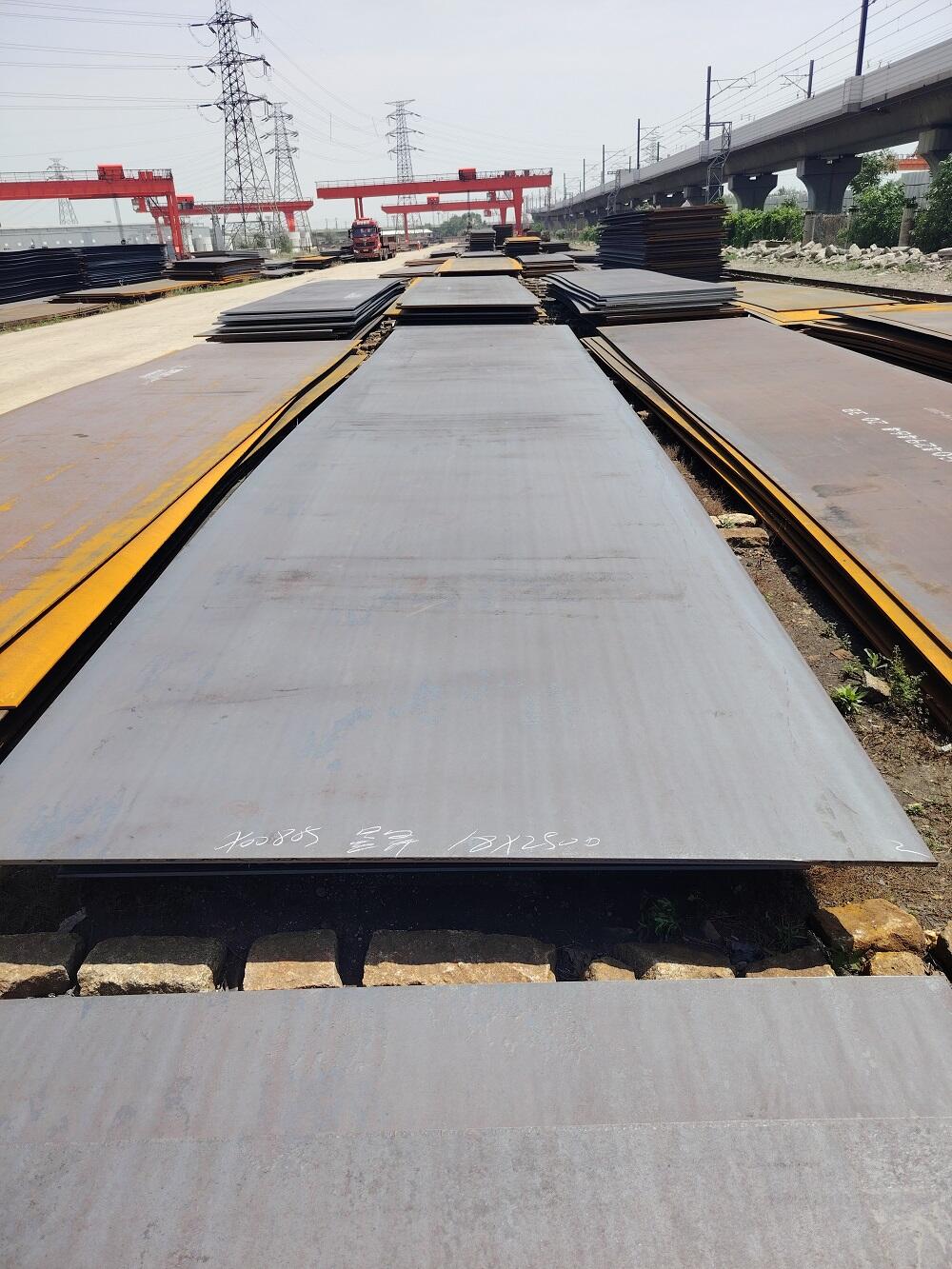
In modern manufacturing and metal fabrication, precision is the cornerstone of operational excellence, and advanced equipment processing stands as the driving force behind consistent, high-accuracy output across industrial sectors. For metal suppliers and manufacturers, investing in advanced equipment processing is no longer a choice but a necessity to meet the stringent tolerances, complex design requirements, and high-volume production demands of global markets. Advanced equipment processing combines cutting-edge machinery, calibrated workflows, and skilled engineering to deliver precision results that elevate product quality, reduce waste, and streamline industrial production from prototyping to mass manufacturing.
The Core of Advanced Equipment Processing: Machinery and Calibration
At the heart of advanced equipment processing for precision results lies a fleet of high-precision, computerized machinery designed to eliminate human error and ensure micron-level accuracy. CNC (Computer Numerical Control) machining centers, laser cutting systems, high-precision welding robots, and automated painting lines form the backbone of modern processing operations, each calibrated to perform repetitive and complex tasks with unwavering consistency. Unlike traditional manual processing, these advanced systems operate on pre-programmed parameters, allowing for tight dimensional tolerances—down to 0.001mm in critical applications—that are impossible to achieve with hand-operated equipment.
Calibration is equally critical to advanced equipment processing for precision results. Regular, rigorous calibration of all processing machinery ensures that every cut, weld, paint coat, and forming operation aligns with design specifications. This proactive maintenance not only preserves the precision of the equipment but also extends its operational lifespan, reducing downtime and ensuring that every product leaving the processing line meets the same high standards of accuracy. For metal fabrication, this means steel plates, coils, and custom components fit seamlessly into assembly processes, eliminating costly reworks and delays for end users.
Key Processing Stages Elevated by Advanced Technology
Advanced equipment processing enhances every critical stage of metal fabrication, turning raw materials into finished products with precision results at every step:
- Cutting: Advanced plasma and laser cutting equipment delivers clean, burr-free cuts on all metal gauges, from thin steel strips to thick carbon steel plates, with no material distortion—an essential factor for precision in structural and industrial components.
- Welding: Automated robotic welding systems ensure uniform weld penetration, consistent bead formation, and precise joint alignment, eliminating the inconsistencies of manual welding and boosting the structural integrity of welded products.
- Painting & Coating: Computerized painting equipment applies anti-corrosive and decorative coatings with exact thickness and even coverage, ensuring long-term durability and aesthetic consistency for coated metal products like color-coated coils and galvanized steel.
- Forming & Machining: CNC bending and milling machines shape metal into complex geometries with perfect symmetry, meeting the custom design requirements of industrial clients for specialized equipment parts and structural components.
Each stage of advanced equipment processing is integrated into a seamless workflow, with digital tracking that monitors every step of production—ensuring that precision results are not just a product of superior machinery, but of a fully optimized processing system.
Why Advanced Equipment Processing Delivers Unmatched Precision Results
The value of advanced equipment processing for precision results extends far beyond accurate manufacturing; it directly impacts a business’s competitiveness and customer satisfaction. First, precision processing minimizes material waste by maximizing the yield of every raw metal sheet or coil, lowering production costs and supporting sustainable manufacturing practices. Second, consistent precision results mean products meet international quality standards, making them suitable for global export and compliance with industry-specific regulations—critical for metal manufacturers serving 50+ countries across diverse markets.
Additionally, advanced equipment processing enables high-volume production without compromising on precision, a key advantage for meeting the large-scale demands of industrial clients. Automated processing lines operate 24/7 with minimal human intervention, scaling production to match order volume while maintaining the same micron-level accuracy for every unit. For metal fabricators, this balance of speed and precision is the key to delivering on time, every time, and building long-term trust with customers who rely on consistent, high-quality metal products.
Precision Results as a Foundation for Industrial Success
In the competitive global metal industry, advanced equipment processing is the differentiator that sets leading manufacturers apart. It transforms raw metal into high-precision products that power construction, manufacturing, logistics, and automotive industries—each relying on accurate, durable components to operate safely and efficiently. By investing in advanced processing machinery, calibrated workflows, and skilled engineering teams, metal manufacturers ensure that precision results are embedded in every product, from standard galvanized coils to custom steel plate fabrications.
Ultimately, advanced equipment processing is not just about machinery; it is a commitment to excellence that drives every aspect of production. For businesses seeking to elevate their product quality, meet global standards, and deliver on the most demanding customer requirements, advanced equipment processing is the only path to consistent, reliable precision results that stand the test of time in industrial applications worldwide.