EN
EN



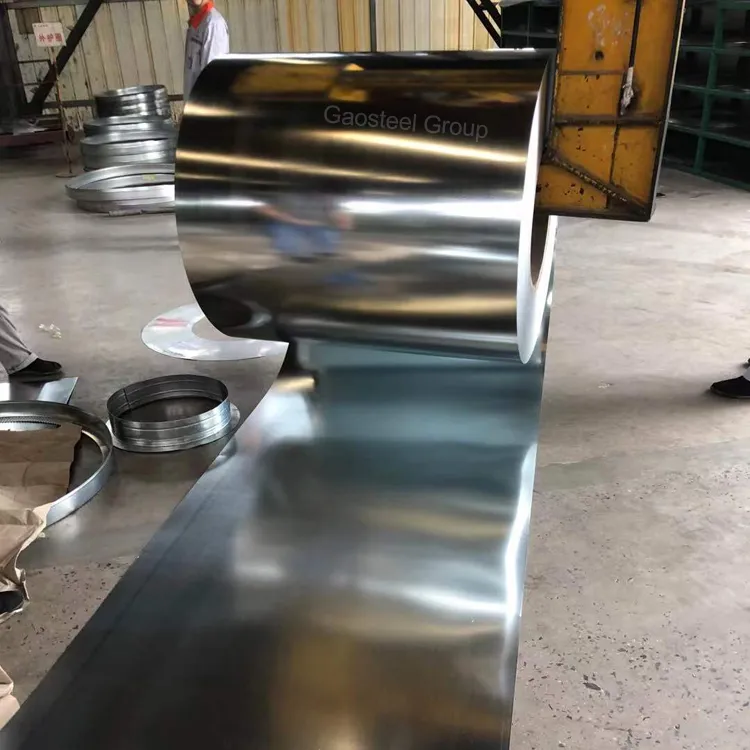
Understanding Zinc Coating Grades on Galvanized Coil
Galvanized coil is steel sheet that has been coated with a zinc layer through hot-dip or electro-galvanizing to protect the base metal from corrosion. The thickness of this zinc coating, measured either in micrometers or in grams per square meter of zinc mass, is the single most influential specification variable affecting galvanized coil price. Industry-standard zinc coating grades for hot-dip galvanized coil range from Z01 through Z05, each representing a progressively heavier zinc deposit. Z01 delivers the lightest coating at up to 27 grams per square meter per side, suitable for indoor applications where corrosion exposure is minimal. Z05 provides the heaviest standard coating at 180 to 275 grams per square meter per side, designed for outdoor structural and marine environments demanding maximum corrosion life. Understanding these coating grades is essential because every incremental increase in zinc mass translates directly into higher raw material consumption and therefore higher galvanized coil unit cost.
The Direct Relationship Between Zinc Mass and Raw Material Cost
Zinc is a traded commodity with a market price that fluctuates based on global supply and demand. When a galvanized coil manufacturer applies a heavier coating grade, more zinc metal is consumed per unit of steel surface area. For example, upgrading from Z01 at 27 grams per square meter to Z03 at 60 to 120 grams per square meter increases zinc consumption by a factor of two to four times per coil. This additional zinc volume raises the manufacturing cost in direct proportion to the coating weight increase, and the supplier passes this cost increment through to the buyer as a higher galvanized coil price per ton. The relationship is linear within each coating grade band, meaning that a buyer requesting galvanized coil at the upper end of a grade range will pay proportionally more than one specifying the lower end. Procurement managers who understand this linear cost relationship can optimize their specification by selecting the minimum coating grade that satisfies the corrosion life requirement for the intended application, avoiding unnecessary zinc over-specification that increases galvanized coil cost without adding functional benefit.
How Coating Thickness Impacts Corrosion Life and Total Cost of Ownership
The primary reason buyers specify heavier zinc coatings on galvanized coil is to extend the corrosion-free service life of the finished product. Industry data shows that galvanized coil with Z01 coating provides approximately 3 to 5 years of rust-free performance in mild indoor environments, while Z05 coating extends that range to 20 or more years in outdoor and marine exposure conditions. Each intermediate grade follows a roughly proportional progression: Z02 for 5 to 8 years, Z03 for 8 to 15 years, and Z04 for 15 to 20 years in moderate outdoor conditions. The trade-off between galvanized coil price and corrosion life creates a total cost of ownership decision for the buyer. A lower-priced Z02 galvanized coil may suffice for a warehouse roof with a planned 10-year service life, whereas a higher-priced Z04 or Z05 specification is justified for a bridge structural panel expected to remain in service for 30 years without repaint or replacement. Calculating the present value of maintenance, repaint, and replacement costs over the intended service period against the incremental galvanized coil price for heavier coating helps buyers determine the economically optimal grade.
Coating Grade Selection for Different Industrial Applications
Matching galvanized coil coating grade to the specific application environment prevents both over-specification waste and under-specification failure. Indoor dry environments such as factory interior framing and HVAC ductwork typically require only Z01 or Z02 coating, where galvanized coil price is lowest because zinc consumption is minimal. Semi-exposed conditions including warehouse roofing and agricultural building panels benefit from Z03 coating, which balances moderate galvanized coil price with 8 to 15 years of outdoor corrosion resistance. Full outdoor structural applications such as highway guardrails, transmission towers, and marine dock frames demand Z04 or Z05 coating, where the higher galvanized coil price is offset by the extended maintenance-free service life under severe weather and salt exposure. Gaosteel Group supplies galvanized coil across all standard coating grades from Z01 to Z05, with full traceability documentation and mill test certificates issued per ASTM A653, JIS G3302, or EN 10346 requirements. Buyers can also request PPGI coil with additional paint coatings over the zinc layer for environments where both maximum corrosion protection and color finish are required.
Additional Cost Factors Beyond Zinc Coating Thickness
While zinc coating grade is the dominant price driver for galvanized coil, several secondary factors also affect the final unit cost. Base steel grade determines the substrate price, with higher-strength steels such as Q345 commanding a premium over Q195 or Q235. Coil width and thickness affect processing yield, since narrow or very thin coils require more production passes and generate higher scrap rates per ton of usable output. Surface finish options including spangle size classification (regular spangle, minimized spangle, or zero spangle) add incremental processing cost to galvanized coil price. Post-galvanizing treatments such as chromating or oiling for temporary storage protection carry small per-ton surcharges. Transportation distance from the mill to the buyer location, packaging format, and order volume also influence delivered galvanized coil cost. A complete price evaluation should account for all these factors alongside the coating grade to avoid surprises when comparing galvanized coil quotes from different suppliers.
Verifying Coating Specification Compliance from Your Supplier
Specifying the correct coating grade on a purchase order is only effective if the delivered galvanized coil actually meets that specification. Buyers should require mill test certificates that document the measured zinc coating mass in grams per square meter for each coil in the shipment, verifying that actual values fall within the declared grade range per the relevant standard. Gaosteel Group, with ISO 9001 certification and 15 years of manufacturing experience, provides comprehensive MTCs and supports third-party pre-shipment inspection to confirm coating compliance before dispatch. For critical applications, request that the supplier provide coating thickness measurement reports from magnetic or eddy-current gauges taken at multiple points along the coil length to ensure uniform zinc distribution. Cross-referencing MTC zinc mass values against the ASTM A653 or EN 10346 grade table ensures that the galvanized coil price you pay corresponds to the coating protection you receive.
Q: Which galvanized coil coating grade provides the longest outdoor corrosion life?
A: Z05 coating at 180 to 275 grams per square meter per side provides the longest standard corrosion life for outdoor and marine exposure, typically exceeding 20 years of rust-free performance. The higher galvanized coil price for Z05 is justified by the extended maintenance-free service period.
Q: Does a thicker zinc coating always mean better value for my project?
A: Not necessarily. Selecting the minimum coating grade that meets the corrosion life requirement for your application optimizes value. Over-specifying coating thickness increases galvanized coil price without adding functional benefit if the service environment does not require the extra zinc protection.
Q: How do I verify that delivered galvanized coil meets the declared coating grade?
A: Require mill test certificates documenting measured zinc coating mass per side in grams per square meter. Compare the reported values against the ASTM A653 or EN 10346 grade range table. For critical orders, commission third-party pre-shipment inspection with coating thickness gauge measurements at multiple coil positions.
Table of Contents
- Understanding Zinc Coating Grades on Galvanized Coil
- The Direct Relationship Between Zinc Mass and Raw Material Cost
- How Coating Thickness Impacts Corrosion Life and Total Cost of Ownership
- Coating Grade Selection for Different Industrial Applications
- Additional Cost Factors Beyond Zinc Coating Thickness
- Verifying Coating Specification Compliance from Your Supplier