EN
EN



Decode Aluminum Checker Plate Pricing Models
Weight-based vs. linear-foot pricing: identifying true cost drivers for aluminum checker plate
Aluminum checker plate suppliers typically use two pricing models: weight-based (cost per kilogram) or linear-foot (cost per foot of standard-width sheet). Weight-based pricing directly reflects material consumption and responds transparently to aluminum market fluctuations—making it especially valuable during periods of volatility. Linear-foot pricing simplifies quoting for standard sizes but can mask true material costs, particularly when width or thickness varies. For accurate comparisons, always convert quotes to cost per square meter. Projects requiring custom cuts, variable thicknesses, or non-standard widths benefit most from weight-based models; repetitive installations using fixed dimensions may suit linear-foot pricing. Crucially, verify whether processing fees—such as cutting, slitting, or edge treatment—are included or added separately.
How alloy grade, thickness tolerance, and surface finish inflate quoted prices
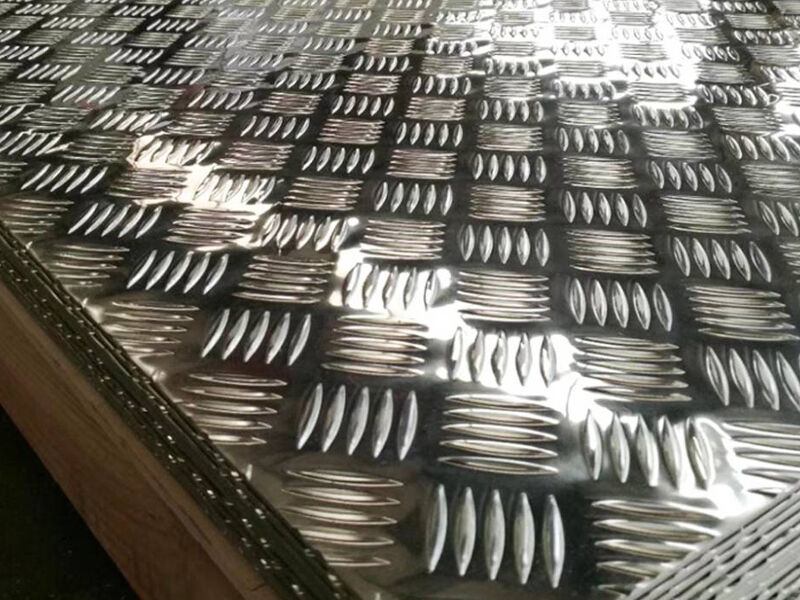
Material specifications are primary cost levers—not secondary considerations. Premium alloys like 6061-T6 command a 20–30% premium over standard 3003 due to higher strength-to-weight ratios and superior corrosion resistance—justified only where structural or environmental demands require them. Tighter thickness tolerances (e.g., ±0.1mm vs. ±0.5mm) increase production complexity and inspection rigor, adding 5–15% to base cost. Surface treatments further escalate pricing: diamond-pattern embossing requires specialized tooling and press calibration, while anodizing adds both process time and chemical-layer costs. Avoid over-specification—indoor flooring rarely needs marine-grade alloy or anodized protection. When evaluating quotes, cross-reference mill certifications (e.g., ASTM B209 or EN 485) to confirm that premium pricing aligns with verified performance attributes.
Select and Negotiate with Suppliers Strategically
Evaluating suppliers for mill certification, traceability, and aluminum checker plate MOQ flexibility
Prioritize suppliers who provide full mill certification—validating compliance with recognized standards such as ASTM B209 (U.S.) or EN 485 (EU). These documents verify tensile strength, elongation, and corrosion resistance, directly mitigating rework risk: 26% of fabrication failures in 2023 stemmed from uncertified aluminum stock, per the Fabrication Audit Report. Traceability via unique heat numbers enables end-to-end quality tracking—from ingot to finished plate—reducing defect-related delays by up to 37%. MOQ flexibility is equally critical for small- or mid-scale projects; seek suppliers offering partial-pallet fulfillment or cut-to-length services to avoid excess inventory and carrying costs. For precision-critical applications, validate tolerance adherence (e.g., ±0.1mm thickness) through pre-production sample testing—not just supplier claims.
Beyond volume discounts: leveraging lead time, packaging, and payment terms for aluminum checker plate savings
Strategic negotiation goes well beyond unit price. Leading procurement teams optimize total landed cost by addressing four underutilized levers:
- Lead time: Suppliers offering 14-day turnaround (vs. industry-standard 30 days) reduce warehousing and expediting expenses by ~18% monthly.
- Packaging: Negotiate returnable metal crates instead of single-use wood pallets—cutting waste disposal fees by $28/ton and supporting sustainability goals.
- Payment terms: Net-60 structures improve working capital flow; early-payment discounts (1.5–3%) often yield stronger ROI than marginal volume concessions.
- Consignment agreements: Maintain on-site, supplier-owned inventory with pay-as-used billing—eliminating stockouts without tying up capital.
Projects with bundled contractual terms—including lead time, packaging, and payment conditions—achieve 22% lower total procurement cost versus volume-only negotiations, according to the 2024 Metals Procurement Benchmark.
Hedge Against Aluminum Market Volatility
Using LME-linked contracts and surcharge transparency to lock in predictable aluminum checker plate costs
Aluminum checker plate pricing remains highly sensitive to raw material volatility. In 2024, LME aluminum traded between $2,100 and $2,400 per metric ton—a 14% swing that disrupts budgeting and margin forecasting. LME-linked contracts anchor material cost to real-time exchange rates, insulating your project from short-term spikes while preserving fair pricing during dips. Equally important is surcharge transparency: insist suppliers itemize alloy premiums, processing surcharges, and finishing fees separately—not bundled into opaque “handling” or “market adjustment” line items. This prevents hidden margin stacking and transforms commodity uncertainty into a predictable, auditable cost component.
Prioritize Cost Avoidance Over Lowest-Bid Procurement
Reducing waste, rework, and over-specification: how precision sourcing lowers total cost of aluminum checker plate
Lowest-bid procurement often increases total cost—especially with engineered materials like aluminum checker plate. Over-specifying alloy grade, thickness, or surface finish inflates purchase price and downstream costs: thicker gauges raise machining, handling, and freight expenses; mismatched dimensions trigger costly rework or scrap. Precision sourcing—aligning technical specs strictly to application requirements—delivers measurable savings: leading manufacturers report 12–18% reduction in material spend by eliminating unnecessary over-engineering. Key avoidance strategies include:
- Waste minimization: Standardizing sheet dimensions across projects reduces cutting scrap and optimizes nesting efficiency.
- Rework prevention: Specifying appropriate dimensional tolerances (e.g., ±0.2mm for architectural applications, ±0.1mm for structural weldments) avoids fitment issues and field adjustments.
- TCO optimization: Higher-grade alloys or finishes may carry upfront premiums—but extend service life, reduce maintenance, and lower lifecycle cost.
This shifts procurement focus from purchase price to total cost of ownership (TCO), where disciplined specification alignment delivers deeper, more sustainable savings than supplier concessions alone.
FAQ Section
What are the key pricing models for aluminum checker plates?
The two main pricing models are weight-based, which charges per kilogram, and linear-foot, which charges per foot of standard-width sheet.
How can material specifications influence the cost of aluminum checker plates?
Material specifications like alloy grade, thickness tolerance, and surface finish are primary cost drivers. Premium alloys, tighter tolerances, and specialized surface finishes can increase costs significantly.
What should I consider when selecting suppliers for aluminum checker plates?
Look for suppliers with full mill certification, traceability, and flexibility in minimum order quantities (MOQ). These factors ensure quality and reduce risk of defects.
How can I hedge against aluminum market volatility?
Consider using LME-linked contracts and demand transparency on surcharges. This strategy locks in predictable costs and prevents hidden extras.