EN
EN



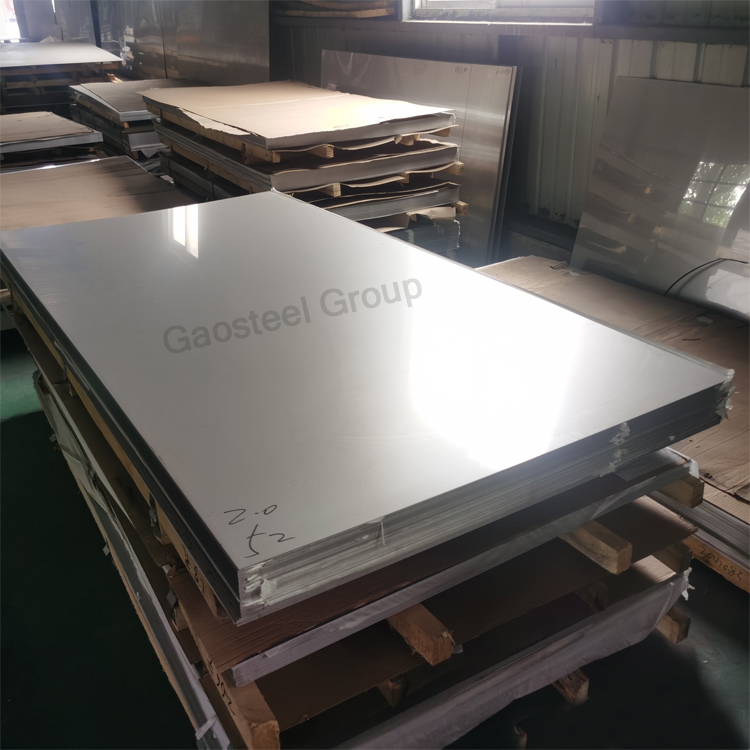
A szállító hírnevének és iparági tapasztalatának ellenőrzése
Működési évek, ügyfél vélemények és projekt esettanulmányok ellenőrzése
Olyan alumíniumlemez-szállítókat keressen, akik legalább egy évtizede működnek, mivel ez általában azt jelenti, hogy átvészeltek különböző piaci körülményeket, és lépést tartottak a változó technológiai követelményekkel. Ellenőrizze a megosztott referenciákat, és figyeljen olyan gyakran ismétlődő megjegyzésekre, mint például a konzisztens minőségű anyagok, az időben történő szállítások, valamint, hogy milyen jól kezelik a hirtelen specifikációváltoztatásokat. A valódi vásárlók gyakran konkrét problémákat emelnek ki, amelyekkel számukra a szállítók szembesültek, például amikor egy szállítónak nyomás alatt kellett átdolgoznia néhány tengeri minőségű 5052-es lemezt. Ne feledje megkérdezni az esettanulmányokat sem, különösen olyanokat, ahol speciális ötvözetekkel dolgoztak, extrém szűk tűréshatárokat tartottak be, vagy rendhagyó projekteket valósítottak meg. Egy jó szállító általában szívesen megoszt ilyen részleteket, mivel ez mutatja, hogy megbízik saját képességeiben, és nyitott akar lenni a saját teljesítményével kapcsolatban.
Online vélemények, harmadik fél által kiadott tanúsítványok és a referenciák átláthatóságának elemzése
Amikor beszállító értékeléseit nézed, ne csak a Google Business profiljait vagy a fórumbejegyzéseket nézd elkülönítve. Ehelyett keress több forrásból ismétlődő témákat. Figyelj oda, hogy a cégek hogyan kezelik a negatív visszajelzéseket. Egy olyan beszállító, aki gyorsan reagál a konkrét megoldásokra, nem pedig a generikus bocsánatkérésre, általában azt mutatja, hogy komolyan veszi a felelősséget. Ellenőrizze, hogy rendelkeznek-e ISO 9001 tanúsítvánnyal, ami azt jelzi, hogy megfelelő minőségellenőrzési eljárásokat követnek. Biztosítsák továbbá, hogy megfelelnek az ASTM B209 vagy EN 485 szabványoknak az anyagösszetétel és méret tekintetében. A jó beszállítók hajlandóak megosztani néhány friss ügyfél referenciáját, anélkül, hogy bármiféle visszautasítást kapnának. Szánjon időt arra, hogy maga lépjen kapcsolatba az ügyfelekkel, és tegyen fel konkrét kérdéseket arról, hogy mennyire követik a specifikációkat, voltak-e kommunikációs problémák, és hogyan oldották meg a problémákat, amikor felmerültek. A számok is ezt igazolják. A Ponemon Intézet kutatása szerint a megfelelő tanúsítással rendelkező beszállítók 63%-kal kevesebb hibás anyagot állítanak elő, mint azok, akiknek nincs tanúsítása. Az ilyen előrelépés nagy különbséget tesz a hosszú távú működésben.
A anyagminőség és műszaki szakértelem biztosítása
Az anyagminőség nem tárgyalható kérdés. A nem megfelelő alumíniumlemezek szerkezeti meghibásodáshoz, balesetekhez és költséges javításokhoz vezethetnek – a teherhordó alkatrészek hibái akár több mint 40%-kal is növelhetik a projektköltségeket (Ponemon Intézet, 2023). Elsősorban olyan beszállítókat válasszon, amelyek minőségirányítási rendszere ellenőrizhető, nyomon követhető és az alkalmazás-szempontból kritikus szabványoknak megfelel.
Az ISO 9001 tanúsítvány és az ASTM/EN szabványoknak való megfelelés ellenőrzése
Az ISO 9001 tanúsítvány megszerzése azt jelenti, hogy a beszállító ténylegesen nyomon követi minőségi folyamatait az idő során, nem csupán egyetlen ellenőrzésen megy át. A rendszer lehetővé teszi a vállalatok számára, hogy kövessék minden gyártási tételt a teljes folyamat során, és kiderítsék, mi ment rosszul, ha később problémák lépnének fel. Az előírásoknak való megfelelés is fontos. Például az ASTM B209 szabvány alapvető lemezszabványokat határoz meg, míg az ASTM B547 konkrétan hőkezelt anyagokra vonatkozik. Ha európai beszállítókkal dolgozik, ellenőrizze az EN 485 szabványnak való megfelelést is. Soha ne feledje megkérni a Megfelelőségi Nyilatkozatot (MTR), amely megfelel a megrendeléseken szereplő adott hőszámoknak. Ezek a dokumentumok igazolják a fontos tulajdonságokat, mint például a szakítószilárdság, az anyag szakadásig terjedő nyúlása, valamint hogy az anyag tartalma megfelel-e az ipari előírásokban meghatározott kémiai összetételnek.
Alumíniumötvözetek osztályainak (pl. 1050, 3003, 5052, 6061) alkalmazási igényekhez való igazítása
A szakmai szaktudást nem a készlet szélessége, hanem a pontos ötvözet-iránymutatás mutatja:
- 1050 (99,5% tisztaságú) : Ideális nagy vezetőképességű vagy mélyhúzású alkalmazásokhoz, például reflektorokhoz vagy kémiai burkolatokhoz
- 3003 (Mn-ötvözet) : Kiegyensúlyozott szilárdság és alakíthatóság – ideális légkondicionáló csatornákhoz vagy üzemanyagtartályokhoz
- 5052 (Mg-Cr) : Kiváló korrózióállóság sós vízben vagy savas környezetben
- 6061-T6 (Mg-Si) : Magas szilárdság-súly arány és kitűnő hegeszthetőség – szerkezeti vázasokban és közlekedési rendszerekben használják
Egy erős beszállító elmagyarázza mIÉRT egy ötvözet alkalmas – nem csak azt, hogy mi is pontosan
Megérteni, mikor nem a legjobb választás a magas tisztaság: kontextuális ötvözetválasztás
Csak azért, mert valami tiszta, még nem jelenti, hogy jobban teljesít a gyakorlatban. Vegyük például az alumíniumötvözeteket. A 6061-T6 minőség körülbelül 290 MPa szakítószilárdságú, ami durván négyszer erősebb, mint a 1050-es minőségű, amelynek szakítószilárdsága csupán 75 MPa. Mi teszi lehetővé ezt a különbséget? Itt nagy szerepet játszanak az ötvözőelemek. A magnézium segít a korrózió elleni védelemben és jól alkalmazható anódos oxidálásnál. A szilícium megkönnyíti az öntést, és jobban vezeti a hőt. Mi a mangán? Ez anyagerősítő hatású alakítási folyamatok során, különösen fontos olyan alkatrészeknél, amelyek nyomás alatti formázást igényelnek. Anyagválasztásnál mindig a tényleges feladat igényeivel érdemes kezdeni, ne pedig elméleti tisztasági szabványokba vagy feltételezésekbe bonyolódni.
Egyedi igények és precíziós feldolgozási lehetőségek értékelése
A precíziós megmunkálás kiküszöböli a másodlagos kezelést, csökkenti a selejtet, és felgyorsítja a szerelésig tartó időt. Győződjön meg róla, hogy a beszállító képes standard acélgyári méreteken túlmutató méretek szállítására is – például extravékonyságú fóliák (0,2 mm) vagy nagyméretű lemezek (akár 4 m szélességig) – miközben a vastagságtűrést ±0,1 mm-en belül tartja az ASTM B209 szabványnak megfelelően. A kulcsfontosságú értékteremtő szolgáltatásoknak tartalmazniuk kell:
- Darabolás : Szélességi pontosság ±0,2 mm-en belül, élminőség közvetlen gyártáshoz alkalmas
- Nyírás : Burkolatmentes vágás lézeres irányítással és legfeljebb 0,5° eltérést megengedő merőlegesség
- Feszítő egyenesítés : Laposság javítása legfeljebb ≤1 mm/m hullámosság torzításig, amely elengedhetetlen festékminőségű vagy lézeres vágású felületek esetén
Egy 2023-as gyártási viszonylati tanulmány kimutatta, hogy a gyártók 18%-kal csökkentették a hulladékot, amikor a beszállítók végezték a precíziós vágást – hangsúlyozva az integrált megmunkálás megtérülését. Mindig kérjen mintadarabot a tűrések betartásának ellenőrzéséhez, mielőtt a megrendeléseket skálázásra kerítené.
Értékelje a vevőszolgálat megbízhatóságát és az ellátási lánc teljesítményét
Válaszidő mérése, műszaki dokumentáció elérhetősége és poszt-eladás utáni szolgáltatás
Fontos korán megtudni, mennyire reagál kérdésekre egy beszállító. Próbálja meg küldeni egy technikai kérdést határidővel, és nézze meg, milyen gyorsan válaszolnak világos válaszokkal. A legjobbak általában az azonnali lekérdezések körülbelül 90%-át egy nap alatt kezelik, és gyakran kijelölnek egy konkrét személyt a bonyolult megrendelések kezelésére. Bármely vásárlás véglegesítése előtt ellenőrizze, hogy minden technikai információ könnyen elérhető-e online – például ötvözetjellemzők, edzési diagramok, megfelelőségi dokumentumok és feldolgozási javaslatok. Az is fontos, ami a szállítás után történik. Nézze meg, milyen garanciát nyújtanak (néhányan a hibákat egész évben, azaz tizenkét hónapon keresztül fedezik), győződjön meg róla, hogy az áru visszavételi szabályzatuk írásban is rendelkezésre áll, és derítse ki, ki kezeli a problémákat, ha a szokásos csatornák nem működnek. Az ellátási lánc esetében vizsgálja meg az időben teljes (on time in full) teljesítményt legalább tizenkét hónapos adatok alapján. A jó partnerek általában a megrendelési eltéréseket 2% alatt tartják még akkor is, amikor a piac ingadozik, így a gyártósorok zavartalanul működhetnek váratlan leállások nélkül.
GYIK
Milyen tanúsítványokat kell ellenőrizni alumíniumlemez-szállító kiválasztásakor?
Ellenőrizni kell, hogy a szállító rendelkezik-e ISO 9001 tanúsítvánnyal, valamint megfelel-e a vonatkozó szabványoknak, például az ASTM B209 vagy az EN 485 szabványnak.
Miért fontos az alumíniumfokozatok megértése szállító kiválasztásakor?
Az alumínium különböző fajtái különleges tulajdonságokkal rendelkeznek, amelyek különböző alkalmazásokhoz ideálisak, ezért fontos, hogy a projekt igényeihez megfelelő fajtát válassz.
Hogyan befolyásolhatja a szállító reputációja a projektet?
Egy erős reputációval rendelkező szállító valószínen konzisztens minőséget, időben történő szállítást és megbízható ügyfélszervizt nyújt, csökkentve a projekt késleltetésének vagy minőségi problémáknak a kockázatát.
Milyen további szolgáltatásokat kell nyújtania egy szállítónak precíziós feldolgozás céljából?
A kulcsfontosságú szolgáltatások közé tartozik a hasítás, vágás és feszítés, amelyek segítenek kiküszöbölni a másodlagos kezelést, és csökkentik a hulladékot.
Tartalomjegyzék
- A szállító hírnevének és iparági tapasztalatának ellenőrzése
- A anyagminőség és műszaki szakértelem biztosítása
- Egyedi igények és precíziós feldolgozási lehetőségek értékelése
- Értékelje a vevőszolgálat megbízhatóságát és az ellátási lánc teljesítményét
-
GYIK
- Milyen tanúsítványokat kell ellenőrizni alumíniumlemez-szállító kiválasztásakor?
- Miért fontos az alumíniumfokozatok megértése szállító kiválasztásakor?
- Hogyan befolyásolhatja a szállító reputációja a projektet?
- Milyen további szolgáltatásokat kell nyújtania egy szállítónak precíziós feldolgozás céljából?