EN
EN



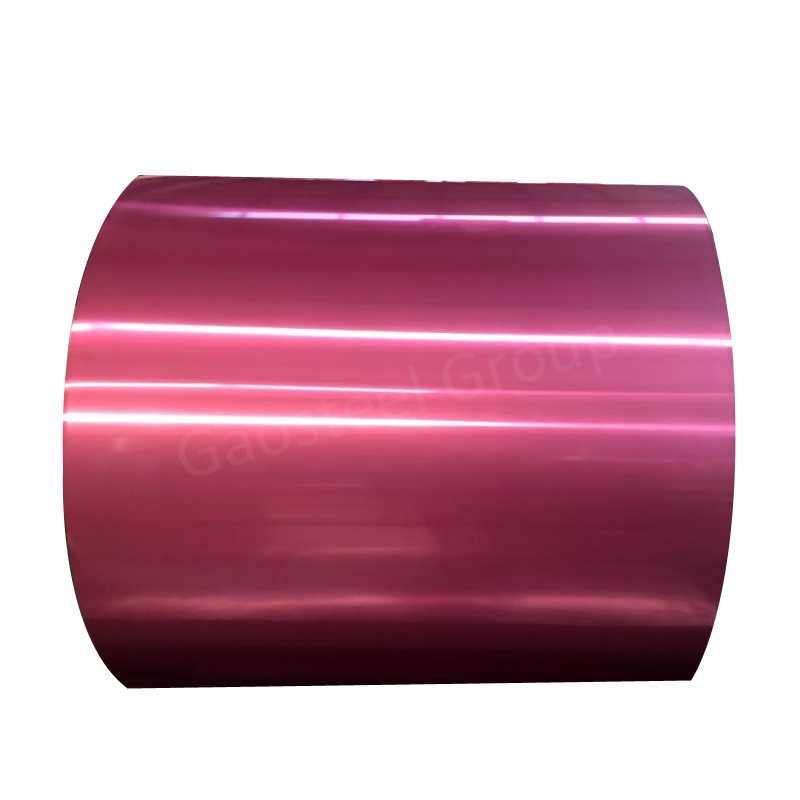
Unmatched Corrosion Resistance for Demanding Outdoor Applications
Alloy-Enhanced Protection Against Rust and Oxidation
Galvalume steel coils come with a special coating made from a mix of 55% aluminum and zinc that works in two ways to fight corrosion. The aluminum part creates a tough oxide layer that actually heals itself when damaged, blocking out moisture and oxygen. At the same time, the zinc component acts as a sort of shield for the steel underneath, offering what's called cathodic protection. Tests show this combination cuts down on rust development by around three quarters compared to regular galvanized steel under harsh conditions (like those specified in ASTM B117 testing). Manufacturers keep quality consistent between batches by carefully controlling how much coating gets applied, typically somewhere between 20 grams per square meter up to 150 grams. These coatings are specifically designed for materials used in roofs, building exteriors, and structures that face constant exposure to rain and humidity over time.
Proven Performance in Coastal, Industrial, and High-Humidity Environments
Real world testing shows just how tough Galvalume really is when put through harsh conditions. Along coastlines where salt air eats away at materials, we see less than 5% surface wear even after 15 years on site. That's actually 3 to 5 times better than regular galvanized steel standing up to those same marine conditions. For industrial areas dealing with high levels of sulfur dioxide (over 500 parts per million), there's barely any pitting issues because this special alloy doesn't react badly chemically. What makes Galvalume stand out further is its ability to handle temperature extremes. The coating stays stuck to the metal across temperatures ranging from minus 40 degrees Celsius all the way up to 120 degrees. This means no peeling off when temperatures swing wildly. Structures built with Galvalume can withstand winds blowing at speeds approaching 150 miles per hour too. We've seen this work well in places prone to hurricanes where buildings need extra strength against nature's fury.
Extended Service Life and Structural Reliability of Galvalume Steel Coil
40–60-Year Lifespan Under Real-World Exposure Conditions
Tests done at various locations throughout North America show that Galvalume typically lasts between 40 to 60 years when used in both industrial areas and rural environments. Some samples have even maintained good performance after standing the test of time for 36 years already. The reason behind this long-lasting protection lies in the special coating made up of aluminum and zinc oxides. This layer creates a barrier against moisture getting through while also acting as a shield that gives up material to protect the underlying steel over time. Several factors play into how long Galvalume will last before needing replacement or repair.
- Coating thickness: Per ASTM A792, each 10-micron increase extends service life by ~20%
- Environmental severity: Coastal projects typically require 55% thicker coatings than inland equivalents
- Maintenance protocols: Biannual inspections reduce long-term failure risk by 30%
Resilience Across Thermal Cycling, UV Radiation, and Wind Loads
Galvalume stays dimensionally stable even when exposed to extreme temperature swings from minus 40 degrees Celsius all the way up to 120 degrees, thanks to its remarkably low linear expansion rate of just 0.03 percent. The material's aluminum rich surface actually bounces back around 80 percent of harmful ultraviolet rays, which helps stop problems like polymer breakdown, brittleness issues, and those annoying color changes we see in regular coated steel products over time. When subjected to repeated wind forces reaching speeds as high as 130 miles per hour, the special intermetallic bonds formed between different coating layers give Galvalume about 40 percent better fatigue resistance compared to what most traditional options offer. These properties make Galvalume particularly well suited for things like large scale solar installations, structures near saltwater environments, and buildings located at higher elevations where materials need to last for decades without failing.
Fabrication Flexibility and Design Versatility with Galvalume Steel Coil
Efficient Roll Forming for Roofing, Wall Cladding, Gutters, and Structural Components
The balanced aluminum-zinc alloy composition enables superior formability in roll forming—without compromising coating integrity. Contractors achieve precision and speed across applications:
- Single-pass fabrication of complex roofing profiles with leak-resistant seams
- High-speed production of custom-contoured wall panels for architectural expression
- Bend-consistent gutters with full-coating coverage at critical stress points
- Load-bearing structural supports optimized for strength-to-weight efficiency
Because no post-fabrication re-coating is needed, installation timelines shrink by 15–30% versus traditional metals—enabling intricate, corrosion-resistant designs previously impractical with alternative materials.
Energy-Efficient Thermal Performance and Weather Resilience
Galvalume steel coil offers both energy savings and impressive structural strength. What makes it stand out is how its surface reflects around 70% of incoming sunlight. This reflection helps keep roofs cooler, which means buildings stay about 5 to 10 degrees Fahrenheit cooler inside when the sun is at its strongest. The material stays stable even when temperatures swing between minus 30 degrees and 150 degrees Fahrenheit. This stability ensures that the metal doesn't warp or lose its integrity over time, keeping those important weatherproof seals intact throughout all seasons. Testing according to ASTM E1592 standards shows these panels can handle wind pressures well beyond 150 pounds per square foot without any issues with their seals. Plus, the surface naturally repels water, so moisture doesn't stick around long enough to cause corrosion problems. All these features work together to create a material that not only saves energy but also lasts for many years without needing replacement, making it a smart choice for construction projects facing tough weather conditions.
FAQ
What makes Galvalume steel more resistant to corrosion compared to galvanized steel?
Galvalume steel is coated with a mix of 55% aluminum and zinc, which helps in two ways. The aluminum creates a self-healing oxide layer, and the zinc provides cathodic protection. This combination significantly reduces rust development by about three-quarters compared to regular galvanized steel.
How does Galvalume perform in coastal or industrial environments?
Galvalume performs exceptionally well in coastal areas, showing less than 5% surface wear even after 15 years, which is 3 to 5 times better than galvanized steel. It also resists pitting in industrial areas with high sulfur dioxide levels, thanks to its robust alloy composition.
Can Galvalume steel handle extreme weather conditions?
Yes, Galvalume steel can withstand temperature ranges from minus 40 to 120 degrees Celsius and wind speeds up to 150 miles per hour, making it suitable for harsh weather conditions and regions prone to hurricanes.
What is the expected lifespan of Galvalume steel?
Galvalume steel typically lasts between 40 to 60 years under real-world exposure conditions, depending on factors such as coating thickness, environmental severity, and maintenance protocols.
Why is Galvalume steel considered energy-efficient?
Galvalume reflects about 70% of incoming sunlight, helping to keep buildings cooler. This energy efficiency, combined with its structural resilience, makes it an ideal choice for energy-saving construction projects.
Table of Contents
- Unmatched Corrosion Resistance for Demanding Outdoor Applications
- Extended Service Life and Structural Reliability of Galvalume Steel Coil
- Fabrication Flexibility and Design Versatility with Galvalume Steel Coil
- Energy-Efficient Thermal Performance and Weather Resilience
-
FAQ
- What makes Galvalume steel more resistant to corrosion compared to galvanized steel?
- How does Galvalume perform in coastal or industrial environments?
- Can Galvalume steel handle extreme weather conditions?
- What is the expected lifespan of Galvalume steel?
- Why is Galvalume steel considered energy-efficient?