EN
EN



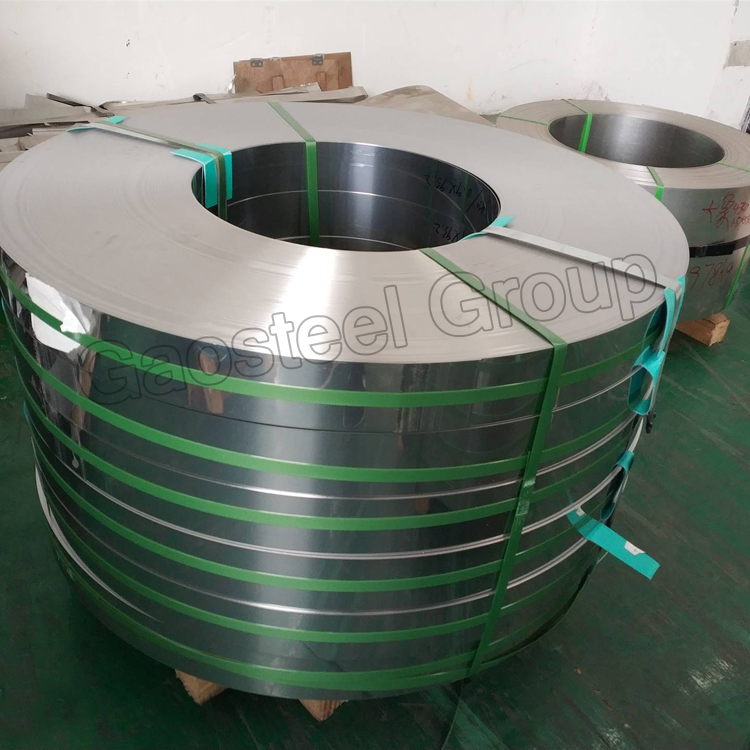
Why Thickness (Gauge) Is the Deciding Factor for Black Painted Steel Strapping Performance
Gauge vs. Color: Why Black Paint Signals Durability—Not Just Identification
Steel strapping gets its black epoxy coating for two main reasons: so workers can tell different straps apart at a glance and to protect against rusting out. The real benefit comes from how this coating creates a tough shield against oxidation, which matters a lot when working near saltwater areas or in places where chemicals are present. Studies show these coated straps fail from rust about 40% less often than regular ones. But here's what people sometimes forget: just changing the color doesn't make the strap stronger. What actually determines how much weight a strap can hold and how safe it is comes down to how thick it is made. Light duty work like stacking boxes on pallets usually needs thinner straps around 0.025 inches thick. For heavier jobs though, companies go for thicker options starting at 0.050 inches and beyond. These can handle loads that are two or even three times bigger. While the black finish does help things last longer, picking the right thickness is absolutely critical for keeping structures intact.
From Mil to Millimeter: Converting and Interpreting Thickness Units in Black Painted Steel Strapping
Global specification differences demand precise unit conversion to avoid performance risk. North America commonly uses mils (1 mil = 0.001 inch), whereas Europe and Asia rely on millimeters. The exact conversion is 1 mil = 0.0254 mm, so:
- 20 mil = 0.508 mm
- 30 mil = 0.762 mm
| Thickness (Mils) | Millimeters | Common Applications |
|---|---|---|
| 15–20 | 0.38–0.51 | Light palletizing |
| 25–30 | 0.64–0.76 | Machinery securing |
| 35+ | 0.89+ | Heavy coil/steel bundling |
Misinterpreting units can result in straps that are 20–30% thinner than required—compromising both safety and compliance. Always validate measurements with calibrated micrometers, particularly when transitioning between ASTM (mil-based) and ISO (mm-based) standards.
How Thickness Directly Governs Strength, Safety, and Load Retention in Black Painted Steel Strapping
Tensile Strength, Yield Point, and Elongation: The Thickness-Dependent Mechanical Profile
When it comes to how materials behave under force, thickness plays the biggest role. Take tensile strength for instance, which basically means how much stress something can handle before breaking. This tends to go up in a straight line relationship with the cross-sectional area. Look at steel straps as an example: those 0.4mm thick ones usually break at about 50% more force compared to their thinner 0.3mm cousins. The yield point works similarly. This is where material starts to permanently deform instead of bouncing back. Thicker gauges naturally resist this kind of stretching during installation or transportation. Elongation tells a different story though. It stays pretty much the same across different thicknesses if we're talking about quality steel. But here's the catch: thinner strapping needs that extra bit of stretchiness to handle sudden impacts. Unfortunately, this makes them more prone to gradual weakening from constant stress over time. Anyone dealing with heavy loads should remember that choosing the right thickness matters more than just looking at elongation numbers. A proper gauge selection gives much better reliability margins in real world applications.
Cold-Rolling Effects: How 15–20% Thickness Reduction Enhances Structural Integrity Without Compromise
When cold rolling steel strapping, we typically see around 15 to 20 percent compression which actually improves the metal's internal structure while keeping all its necessary functions intact. What happens here is pretty interesting - the process packs those tiny grains tighter together, gets rid of little air pockets inside, and fixes up any microscopic cracks too. Plus it makes the metal harder through what they call work hardening, increasing how much force it can handle before bending. About 25% stronger than regular unrolled steel, if anyone cares about numbers. Now, don't worry about losing flexibility when tightening things down because stretching capability remains just right for most operations. The result? Strapping that weighs less but stands up better against impacts, lasts longer under repeated stress, and maintains its shape over time. This kind of stuff works great on automated pallet lines where parts get used thousands of times daily, since breakdowns from metal getting tired are the main reason equipment fails in these settings.
Matching Black Painted Steel Strapping Thickness to Application Demands and Industry Standards
ASTM D3950 & ISO 16047 Compliance: Minimum Thickness Requirements by Load Class
The ASTM D3950 and ISO 16047 standards set out what thickness materials need to be based on how much weight they carry and where they'll be used. Light stuff under 1,000 kg might work with just 0.20 mm thick material if it's not going to get exposed to harsh weather or chemicals. But when we're talking about securing big machines or really heavy cargo, we need something stronger like 0.40 to 0.60 mm gauge metal. This kind of thickness handles all sorts of stress from regular vibrations, impacts during transport, and those unexpected stops that happen on roads. These numbers aren't just pulled out of thin air either. They come from looking at what actually breaks in the real world over many years, plus lots of lab tests checking how materials stretch and hold up under repeated stress.
Palletizing (0.25 mm) vs. Coil Securing (0.50+ mm): Thickness Thresholds That Prevent Failure
Application-specific gauge selection prevents both economic loss and safety incidents:
- Standard palletized goods ≤1,500 kg perform reliably with 0.25 mm strapping—balancing cost, handling ease, and sufficient strength.
- Steel coil transportation requires ≥0.50 mm gauges to resist radial edge pressures exceeding 10 kN, which routinely buckle thinner straps and trigger load-shift events. According to the Logistics Safety Review (2023), such failures average $50,000+ per incident—including cargo damage, downtime, and regulatory penalties. Always align gauge selection with both operational load profiles and ASTM/ISO reference charts—not past experience or vendor defaults.
Field Verification and Quality Assurance for Black Painted Steel Strapping Thickness
Thickness consistency checks aren't just something to do if there's time left over after other tasks. They're actually pretty important for keeping things from corroding and making sure whatever we're building can hold its weight properly. Most folks in the field use magnetic induction gauges following ASTM D7091 standards these days. These gadgets give readings down to about 5% accuracy on those painted steel surfaces without messing up the actual material underneath. But when we really need pin point accuracy, like in aerospace applications or handling radioactive materials, destructive testing becomes necessary. Cutting open samples shows us how evenly coatings are applied, whether different layers stick together well enough, and if any zinc might be moving around where it shouldn't be. According to ASME B30.21 specs, anything outside of plus or minus 0.02 mm starts causing problems. The numbers get worse too, with tensile strength dropping around 15% once tolerances go beyond that range. Industry best practice says operators should check at least 10% of all incoming shipments with calibrated digital tools, comparing measurements against the 0.30 mm minimum set by ASTM D3950 for anything rated above 2,500 kg capacity. This two step process helps spot issues early on before we end up with collapsed pallet stacks or rusty components failing unexpectedly.
FAQs
Why is thickness important in black painted steel strapping?
Thickness determines the strength, safety, and load retention capacity of steel strapping, making it essential for handling varying weights and ensuring structural integrity.
What is the difference between using mils and millimeters for measuring thickness?
North America uses mils while Europe and Asia use millimeters. Precise conversion is necessary to avoid performance risks, where 1 mil equates to 0.0254 mm.
What are the minimum thickness requirements according to ASTM and ISO standards?
Minimum thickness varies by load class. For instance, light loads under 1,000 kg might use 0.20 mm thick material, while heavier loads require 0.40 to 0.60 mm gauges.
How do you verify the consistency of black painted steel strapping thickness?
Field verification often uses magnetic induction gauges and in critical cases, destructive testing to ensure thickness consistency and compliance with standards.
Table of Contents
- Why Thickness (Gauge) Is the Deciding Factor for Black Painted Steel Strapping Performance
- How Thickness Directly Governs Strength, Safety, and Load Retention in Black Painted Steel Strapping
- Matching Black Painted Steel Strapping Thickness to Application Demands and Industry Standards
-
Field Verification and Quality Assurance for Black Painted Steel Strapping Thickness
- FAQs
- Why is thickness important in black painted steel strapping?
- What is the difference between using mils and millimeters for measuring thickness?
- What are the minimum thickness requirements according to ASTM and ISO standards?
- How do you verify the consistency of black painted steel strapping thickness?