EN
EN



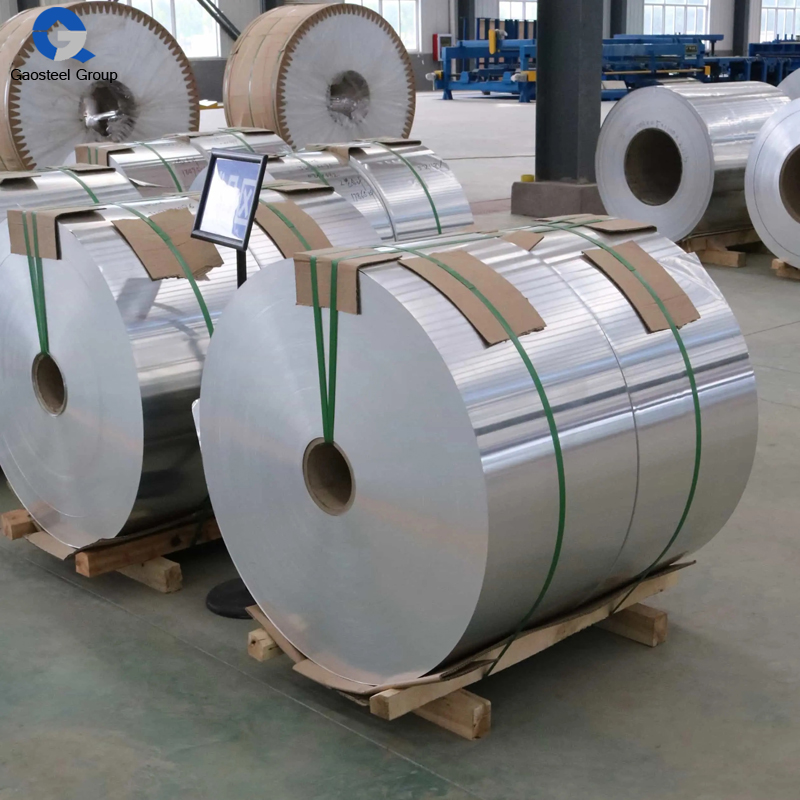
Understanding the Corrosion Resistance of Galvanized Coils
Galvanized coils dominate industrial and construction applications due to their unmatched corrosion resistance. This durability stems from two synergistic mechanisms: zinc's role as a physical barrier and its electrochemical sacrificial properties. By combining these defenses, galvanized steel withstands harsh environments while maintaining structural integrity for decades.
How Galvanization Enhances Corrosion Resistance of Galvanized Steel
The hot-dip galvanization process immerses steel in molten zinc, forming a metallurgical bond. This creates a uniform coating that seals the steel surface from oxygen and moisture—the primary catalysts for rust. The result is up to 10x slower corrosion rates compared to untreated steel.
Zinc Coating as a Barrier: Core Protection Mechanism
Zinc's impervious layer blocks 95–98% of corrosive elements in standard environments. Coating thickness determines longevity—60 µm coatings protect rural structures for 70+ years, while 20 µm coatings suffice for indoor use.
Sacrificial Protection: How Zinc Shields Base Steel
When scratches or cuts expose the steel, zinc corrodes first due to its higher electrochemical activity. This process generates zinc carbonate, a stable compound that self-heals minor coating breaches.
Environmental Factors That Influence Galvanized Steel Performance
Coastal salinity accelerates zinc loss by 50% versus arid regions. Industrial pollutants like sulfur dioxide trigger acidic reactions, doubling corrosion rates in high-traffic urban zones.
Debunking the Myth: Is Galvanized Steel Truly Rust-Proof?
While outperforming most metals, galvanized coils eventually degrade in pH extremes (<6 or >12) or constant standing water. Proper drainage design and joint sealing extend service life beyond 40 years in most infrastructure projects.
Durability of Galvanized Steel in Outdoor and Harsh Environments
Long-Term Exposure Studies on Galvanized Coil Durability
Independent studies demonstrate galvanized steel's resilience across decades. A 2023 corrosion analysis reveals rural installations retain 90% zinc layer despite 30+ years of exposure, and maintain structural capacity for at least 100 years. Coastal environments show slower degradation than previously assumed—18–25 years before zinc depletion creates potential for rust, but structural integrity is largely maintained due to zinc's sacrificial action.
Marine, Urban, and Rural Settings: Comparing Corrosion Resistance
| Environment | Annual Zinc Loss (Microns) | Functional Lifespan |
|---|---|---|
| Coastal | 0.8–1.2 | 12–15 years |
| Industrial/Urban | 0.6–1.0 | 15–20 years |
| Rural | 0.1–0.3 | 50+ years |
Salt spray accelerates galvanized coil corrosion 6x faster than dry climates, yet galvanized steel still outperforms untreated steel by a 40:1 margin in terms of durability, especially in locations exposed to extreme weather conditions.
Case Study: Galvanized Coil in Coastal Infrastructure Projects
A 35-year evaluation of galvanized coil usage in coastal infrastructure projects demonstrated impressive longevity:
- 94% zinc layer retention in sheltered areas
- 78% retention on windward surfaces
- Withstands harsh, salty conditions with minimal upkeep.
Degradation Timeline of Galvanized Sheet Metal in Extreme Climates
Initial coating breakdown begins after 20–25 years of exposure in marine environments, with signs of base steel oxidation appearing after 5–7 additional years. Despite the onset of visual wear, the galvanized steel core remains protected for decades beyond the aesthetic lifespan of the material.
FAQ Section
What is hot-dip galvanization?
Hot-dip galvanization is a process of coating steel by immersing it in a bath of molten zinc, forming a durable layer that protects the steel from corrosion.
How long does galvanized steel last in different environments?
In rural areas, galvanized coatings can last over 70 years. In coastal environments, it lasts about 18–25 years before the first signs of zinc layer depletion appear. In urban areas with industrial pollutants, the longevity is about 15–20 years.
Is galvanized steel rust-proof?
While galvanized steel is highly resistant to rust, it is not completely rust-proof and may degrade in extreme pH conditions or constant water exposure.