EN
EN



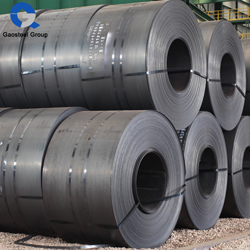
What Is Galvalume Steel Coil and How Is It Made?
Composition: The Aluminum-Zinc Alloy Coating Explained
Galvalume steel coils have a special coating made up mostly of aluminum at around 55%, with about 43.4% zinc and just 1.6% silicon all bonded together on top of regular steel. What makes this combination work so well? Well, the aluminum part creates a thick protective layer when exposed to air, while the zinc actually protects the steel from corrosion even when there are cuts or scratches in the surface. The small amount of silicon included helps things stick better during production since it stops those brittle metal layers from forming between the components. According to some tests published in Materials Performance Index back in 2023, this coating can slow down rust development by roughly three quarters compared to plain old steel without any protection at all. That means significantly better protection over time for whatever application needs durable materials.
Manufacturing Process: From Steel Base to Finished Coil
The process starts with cold rolled steel sheets that need to be cleaned thoroughly before anything else happens. Once clean, the steel goes through a hot dip galvanizing stage where it gets submerged into a special molten mixture containing about 55% aluminum along with zinc and silicon at around 600 degrees Celsius. To get just the right amount of coating, air knives come into play, controlling how thick the layer becomes. Industry standards specify that we're looking at between 150 to 165 grams per square meter for what's called AZ150 to AZ165 grades. After all that, there are still a few finishing touches needed. Temper rolling makes the material easier to work with while something called chromate passivation gives it extra protection against rust. These final steps make sure the steel coils can handle whatever tough conditions they'll face in real world applications.
Key Differences Between Galvalume and Galvanized Steel
Galvalume isn't like regular galvanized steel with just plain zinc on top. The aluminum rich mix in Galvalume lasts about 2 to 4 times longer, particularly where there's salt air or harsh chemicals around. Regular galvanized stuff falls apart fast near the ocean, but Galvalume holds up much better since its aluminum part only breaks down at about a third of that speed. Most buildings stay strong for 30 to 40 years even in normal weather conditions according to the Global Construction Materials Report from 2023. For anyone building something that needs to last decades, this material really pays off in the long run both in terms of strength and money saved.
Why the 55% Aluminum, 43.4% Zinc, 1.6% Silicon Mix Matters
This patented alloy ratio optimizes performance and cost:
- Aluminum (55%): Reduces thermal expansion by 40% compared to pure zinc and enhances heat reflectivity
- Zinc (43.4%): Provides galvanic protection to exposed edges
- Silicon (1.6%): Prevents brittle intermetallic layers during coating, improving adhesion and flexibility
This balance delivers a 90% lower lifecycle cost than standard galvanized steel in roofing applications (Building Envelope Council 2023), along with improved energy efficiency and durability.
Performance Advantages of Galvalume Steel Coil
Exceptional Corrosion Resistance in Harsh Environments
A coating made up of about 55% aluminum and zinc creates what some call a self healing protective layer. Tests show this material actually lasts 2 to 4 times longer than regular galvanized steel when exposed to salt water conditions according to research published last year in the Corrosion Protection Journal. The aluminum part works by forming a sort of shield against air borne corrosive elements, while the zinc component steps in whenever there's damage to the surface, basically sacrificing itself to protect the underlying metal. Because it combines these two protection methods, Galvalume has become popular choice for buildings near coastlines, factories with harsh chemical exposure, and anywhere moisture levels stay consistently high over time. Contractors often specify it for projects needing decades of reliable performance without constant maintenance headaches.
High Heat Reflectivity and Energy Efficiency Benefits
Galvalume reflects up to 80–90% of solar radiation, reducing surface temperatures by 15–25°F compared to conventional roofing materials. This high solar reflectivity translates to 18–22% lower cooling costs in commercial buildings, according to HVAC efficiency analyses. Its thermal performance supports energy-efficient building envelopes and helps meet sustainability benchmarks in modern construction.
Lightweight Design with Strong Structural Integrity
Galvalume weighs 25–30% less than solid aluminum panels of equivalent strength, facilitating easier handling and installation without sacrificing structural performance. The silicon-enhanced coating resists micro-cracking during forming, preserving integrity in complex architectural designs and large-span roofing systems used in warehouses and industrial buildings.
Long-Term Durability and Reduced Maintenance Costs
With a service life exceeding 40 years in moderate climates and a corrosion rate of less than 1 mil per year, Galvalume requires 60% less maintenance than galvanized steel over two decades. Its slow degradation minimizes repair and replacement cycles, significantly lowering total ownership costs for building owners and industrial operators.
Top Industrial and Commercial Applications of Galvalume Steel Coil
Roofing, Cladding, and Building Envelope Systems
Many builders now favor Galvalume when looking at corrosion resistant materials for roofs and walls in new construction projects. The material reflects sunlight pretty well which helps cut down air conditioning expenses sometimes around 25% depending on location. Plus it bends nicely so architects can create those interesting curved rooflines that are becoming popular again. For buildings near the ocean or other salty environments, Galvalume tends to last about twice as long as regular galvanized steel before showing signs of wear from constant exposure to salt spray. And there's another perk too pre painted versions come ready to install straight out of the box. No messy on site painting required which saves both time and money during installation while still giving plenty of color options to match different building aesthetics.
HVAC Ductwork, Electrical Enclosures, and Utility Infrastructure
Galvalume stands out because it resists moisture and has those helpful antimicrobial qualities that stop microbes from growing inside HVAC ducts. Tests show around 70 percent less microbial growth compared to regular galvanized materials. Power companies love this stuff for their substation enclosures too. The material doesn't spark when struck, which is a big safety plus, and these enclosures last about 40 years on average, twice as long as what most folks see in the industry. For telecom companies setting up 5G towers, Galvalume works great as shielding material. Its ability to reflect heat means signals stay clear even during those scorching summer days when everything else seems to melt.
Agricultural Buildings and Industrial Warehouses
Agricultural applications benefit greatly from Galvalume's special silicon enriched coating that stands up against ammonia damage caused by fertilizers. This means farmers save around 30 percent on replacing grain silos over time. For poultry operations, the material's light yet strong properties allow for bigger building spans without needing extra structural support. When it comes to cold storage spaces, facilities report about 18% better energy performance than those using aluminum cladding. The reason? Galvalume handles temperature changes well and doesn't absorb much heat. Major logistics companies have actually verified these numbers through their energy assessments conducted in 2023, making this an industry backed advantage for agricultural infrastructure needs.
Galvalume vs. Other Coated Steels: A Comparative Review
Galvalume vs. Galvanized Steel: Corrosion and Lifespan Showdown
When it comes to fighting rust and lasting longer, Galvalume beats regular galvanized steel hands down. What makes this material so good? Well, it has an aluminum-zinc-silicon coating that works two ways at once. The aluminum forms a protective oxide layer on the surface, while the zinc takes care of those tricky edges where corrosion usually starts. Some long term tests in America have tracked these materials for about 36 years now. These real world observations indicate that Galvalume can stick around for around 60 years in factories and plants, which is roughly 2 to 4 times what we see with standard galvanized steel. Things get even more interesting near the coast. Regular galvanized coatings tend to break down about 40 percent quicker when exposed to all that salt air. Meanwhile, Galvalume holds onto about 85% of its original strength in similar salty environments, making it a much better choice for seaside installations.
Thermal Performance: Galvalume vs. Aluminum-Coated Steel
While both materials manage heat effectively, their strengths differ by application. Galvalume reflects 90% of solar radiation, making it ideal for roofing and HVAC systems where cooling efficiency is key. Aluminum-coated steel, however, withstands continuous exposure up to 1,200°F (649°C), making it better suited for exhaust systems and industrial furnaces.
| Property | Galvalume | Aluminum-Coated Steel |
|---|---|---|
| Max Continuous Heat | 750°F (399°C) | 1,200°F (649°C) |
| Solar Reflectivity | 90% | 75% |
| Ideal Applications | Roofing, HVAC | High-temp industrial |
This thermal performance comparison illustrates how material selection impacts energy efficiency and operational durability.
Cost-Effectiveness and Total Ownership Cost Analysis
Although Galvalume carries a 15–30% higher initial cost than galvanized steel, its extended lifespan reduces long-term expenses. Over 30 years, projects using Galvalume experience:
- 55% fewer recoating cycles
- 40% lower maintenance costs
- 20% reduced energy expenditures
Aluminum-coated steels require specialized fabrication and welding, increasing production costs by 25%, which limits their economic advantage to high-temperature applications.
Sustainability: Recyclability and Environmental Footprint
Galvalume and regular galvanized steel can both be recycled completely without losing any of their quality properties. The thing that makes Galvalume stand out is its higher aluminum content, which actually boosts scrap metal prices by around 18% when compared to those old fashioned zinc coated steels. According to a study published in 2022 looking at the whole lifecycle of these materials, making Galvalume creates about 12% fewer carbon emissions per ton than traditional galvanized steel does. This mainly comes down to how long Galvalume lasts before needing replacement, so there's just less material going through the system over time and therefore less overall resource usage throughout its lifespan.
Frequently Asked Questions
What is the composition of the Galvalume coating?
The Galvalume coating consists of 55% aluminum, 43.4% zinc, and 1.6% silicon.
How is Galvalume steel manufactured?
Galvalume steel undergoes a hot dip galvanizing process, where cold rolled steel sheets are immersed in a molten mixture containing aluminum, zinc, and silicon.
What are the advantages of using Galvalume over galvanized steel?
Galvalume offers better corrosion resistance, a longer lifespan, and improved energy efficiency compared to regular galvanized steel.
Is Galvalume steel environmentally sustainable?
Yes, Galvalume can be fully recycled, and its production leads to fewer carbon emissions compared to traditional galvanized steel.
What are common applications for Galvalume steel?
Galvalume is commonly used in roofing, cladding, HVAC ductwork, and as shielding material for infrastructures like telecom towers and utility enclosures.