EN
EN



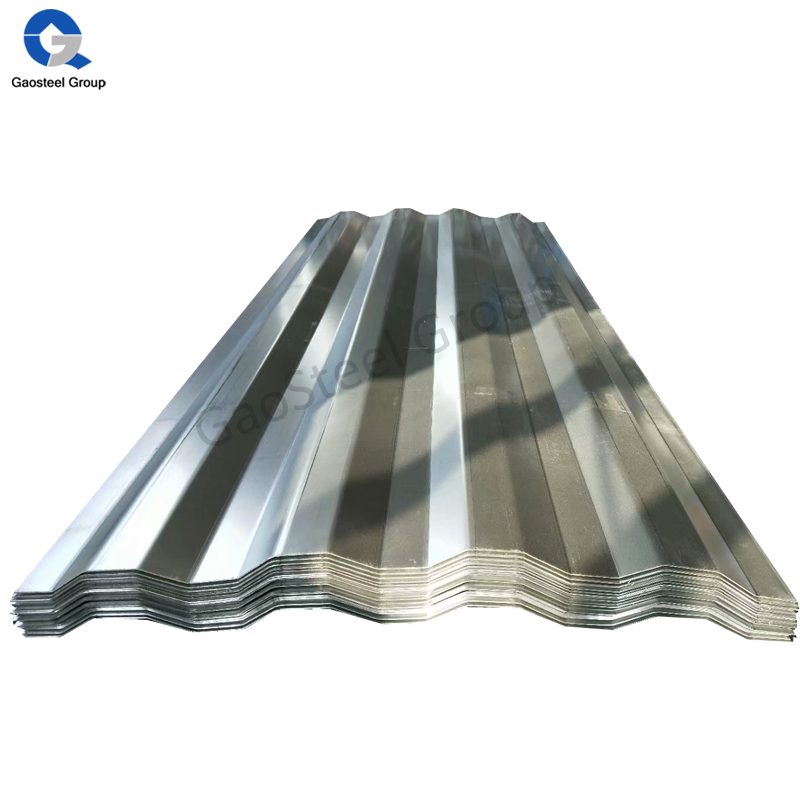
Understand Your Industrial Site’s Climate Exposure Profile
Identify Dominant Regional Hazards: Coastal Salinity, Snow Load, UV Intensity, or Chemical Drift
Industrial roofing sheet performance starts with a precise diagnosis of site-specific climate threats. Focus on the most consequential regional hazards:
- Coastal salinity: Accelerates corrosion by 300% in uncoated metals (Industry Analysis 2024)
- Heavy snow loads: Exceed 150 psf in northern zones, risking structural deformation
- High UV intensity: Degrades coatings at >275 kJ/m² annual exposure, causing brittleness
- Chemical drift: pH-altering pollutants from nearby factories corrode metal surfaces
Map Exposure Risks to Roofing Sheet Failure Modes (Corrosion, Thermal Fatigue, Wind Uplift)
Link each hazard directly to its most likely failure mechanism to guide targeted mitigation:
| Climate Hazard | Primary Failure Mode | Secondary Impact |
|---|---|---|
| Coastal salinity | Electrochemical corrosion | Fastener degradation |
| Thermal cycling | Metal fatigue cracks | Sealant detachment |
| Hurricane-force winds | Panel uplift (>70 psf) | Water intrusion |
80% of premature roofing sheet failures stem from unaddressed site-specific weather risks (Facility Maintenance Report 2024). Combine localized meteorological data with material physics—coastal plants require salt-spray-tested alloys; Arctic facilities need cold-temperature impact modifiers. This precision avoids over-engineering while eliminating critical weak points.
Compare Key Roofing Sheet Materials for Weather Resistance
Galvalume vs. Aluminum vs. PVDF-Coated Steel: Corrosion Lifespan and Cost Trade-Offs
Galvalume works pretty well for most inland industrial locations facing only moderate weather conditions. When it comes to salt air protection though, aluminum stands out because of that protective oxide layer that keeps repairing itself naturally. The downside? Aluminum typically costs around 40 percent more than Galvalume materials. Now if we're talking about really harsh environments near coasts or places with strong chemicals around, PVDF coated steel becomes the go to option. These coatings form this tough fluoropolymer shield that lab tests show can last way beyond 30 years before showing any real signs of rust. Sure, the initial price tag ends up being two to three times what Galvalume would cost, but many companies find this extra spend worthwhile when their facilities are constantly battling aggressive environmental factors.
Standing Seam vs. Corrugated Profiles: Wind Uplift Performance and Snow Shedding Efficiency
Standing seam roofing systems have those hidden mechanical connections that help them meet UL-90 wind uplift requirements, which matters a lot in places where hurricanes are common. These systems also handle snow pretty well on roofs with slopes of at least 2:12. On the other hand, corrugated metal profiles need visible screws or nails because they can only reach UL-60 standards for wind resistance. They also require steeper angles around 3:12 or more so snow doesn't build up over time. Sure, corrugated panels cost about 25 percent less upfront to install compared to standing seam, but when looking at long term risks in heavy snow regions such as the Great Lakes area, standing seam actually performs better structurally. No matter which type gets chosen though, getting the underlayment right between panels remains absolutely critical if we want to stop water from sneaking through those joints and causing damage inside.
Evaluate Protective Coatings and System Integration for Long-Term Roofing Sheet Integrity
PVDF, SMP, and Ceramic Coatings: UV Stability, Chemical Resistance, and Warranty Coverage
The right coating makes all the difference when it comes to standing up to Mother Nature's worst. Take PVDF, or Polyvinylidene Fluoride, which holds its own in places where UV rays beat down hard and chemicals are always in the air. These coatings keep their color for decades, sometimes over 30 years, without letting pollutants get the better of them. Then there's SMP, Silicone Modified Polyester, that gives decent protection from moisture at a fraction of the price. But watch out, after about 15 years those coatings start to lose their ability to reflect sunlight. Ceramic coatings are something else entirely. They manage heat really well, cutting surface temps by as much as 30%, and they handle acid rain just fine around factories and industrial areas. Manufacturers back these claims too. Most PVDF products come with 40 year warranties covering things like fading and chalkiness, while ceramic coatings focus their guarantees on staying crack free under thermal stress. The bottom line is that how well any coating works depends heavily on what surface it goes on and whether proper primer was applied first. Get this wrong and adhesion problems can drop by 60% according to material testing reports. So think about what kind of threats your building faces most often. Go with PVDF if UV light and chemicals are the main issues, ceramic makes sense near factories dealing with heat cycles or acid rain, and SMP works best for budget conscious projects away from harsh environments.
Apply a Risk-Based Selection Framework for Industrial Roofing Sheet
Using a framework that considers potential hazards helps avoid early failures and gets better value from materials. Start by looking at how bad things can get in different locations. Coastal installations deal with salt corrosion problems that are about twelve times worse than what we see inland according to NACE data from 2023. For these spots, regular Galvalume just won't cut it anymore. We need to specify either aluminum or steel with PVDF coatings instead. Next comes figuring out if spending extra money now makes sense compared to future repair bills. Take roofs for instance. Replacing one costs around $740,000 based on Ponemon's research last year. That kind of expense definitely justifies going for UL-90 rated standing seam systems in hurricane prone regions even though they cost about 25% more upfront. And finally there's the big picture view of lifetime costs. Chemical plant operators know this well because ceramic coated metal sheets can last 15 additional years in their facilities. Across all applications, weather resistant construction methods typically slash maintenance costs by roughly 40% when looked at over three decades. When specifiers take all these factors into account together, they end up selecting materials that actually work for the specific job site rather than picking based on assumptions alone.
FAQ
What are the dominant regional hazards affecting industrial roofing sheets?
The most consequential regional hazards include coastal salinity, heavy snow loads, high UV intensity, and chemical drift from nearby industrial sites.
How do different climate hazards affect roofing sheet materials?
Climate hazards such as coastal salinity lead to electrochemical corrosion and fastener degradation, while thermal cycling can cause metal fatigue cracks and sealant detachment. Hurricane-force winds can cause panel uplift and water intrusion.
What materials are best for resisting harsh environmental factors?
Aluminum and PVDF-coated steel are recommended for environments with salt air and strong chemicals, respectively. While aluminum has a naturally protective oxide layer, PVDF coatings provide long-term shielding against corrosion.
Why choose standing seam over corrugated profiles?
Standing seam roofing systems offer hidden mechanical connections that meet UL-90 wind uplift requirements and handle snow efficiently. They perform better in long-term structural integrity despite costing more than corrugated profiles.
Which protective coatings are best for roofing sheets?
PVDF is best for UV and chemical resistance, SMP provides moisture protection at a lower cost with a shorter lifespan, and ceramic coatings manage heat effectively and resist acid rain.
Table of Contents
- Understand Your Industrial Site’s Climate Exposure Profile
- Compare Key Roofing Sheet Materials for Weather Resistance
- Evaluate Protective Coatings and System Integration for Long-Term Roofing Sheet Integrity
- Apply a Risk-Based Selection Framework for Industrial Roofing Sheet
-
FAQ
- What are the dominant regional hazards affecting industrial roofing sheets?
- How do different climate hazards affect roofing sheet materials?
- What materials are best for resisting harsh environmental factors?
- Why choose standing seam over corrugated profiles?
- Which protective coatings are best for roofing sheets?