EN
EN



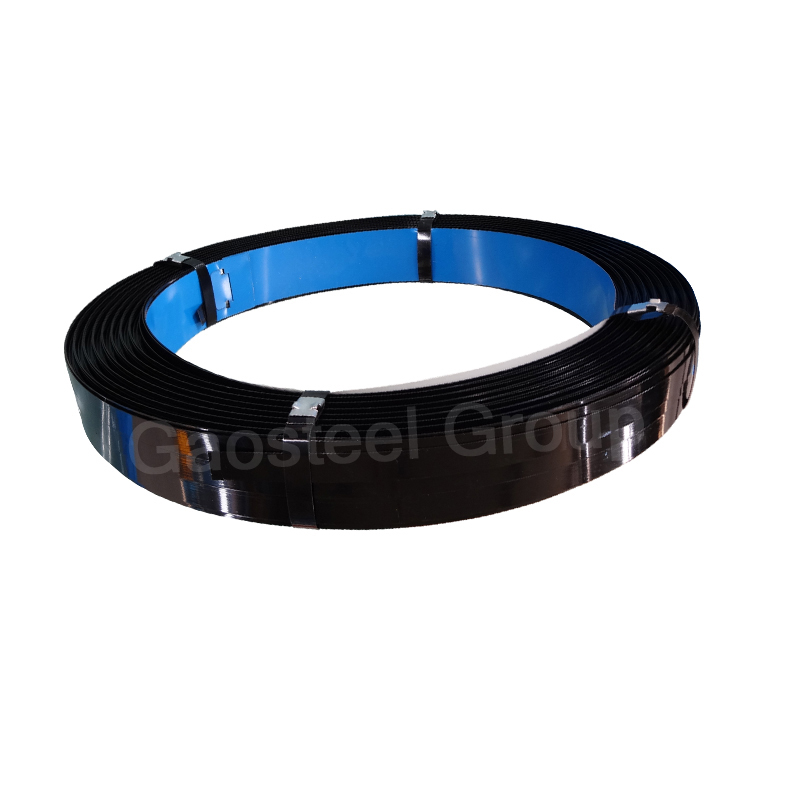
Precision Cutting and Edge Preparation Services
Slitting, Cut-to-Length, and Blank Processing for Fabrication Readiness
The modern steel processing starts off with precision cutting techniques that transform those big steel coils and plates into ready-to-fabricate components. Slitting machines take wide coils and slice them down to narrower widths, keeping tolerances really tight around plus or minus 0.005 inches. Cut to length systems then handle the sheets, making sure they're exactly the right size for whatever comes next. When it comes to blank processing, manufacturers rely on computer controlled lasers, plasma torches, or water jets to create all sorts of custom shapes. This approach cuts down on wasted material by roughly 15 percent when compared to older manual cutting methods. All these steps work together so that finished parts fit right into the rest of the production line without much hassle. As a result, companies save anywhere from 30 to 50 percent on those extra processing steps that would otherwise be needed later on.
Edge Conditioning and Deburring for Enhanced Safety and Weldability
Post-cutting edge preparation removes hazardous burrs and micro-fractures using mechanical abrasion or thermal techniques. Drag finishing and brush honing deliver consistent edge radii (5–200 µm), which significantly improve safety, weld integrity, and corrosion resistance:
- Reduces handling-related injuries by 70%
- Boosts weld joint strength by 40% through uniform surface contact
- Prevents premature coating failure in corrosive environments
Properly conditioned edges also resist stress concentrations–critical for structural frameworks and other high-vibration applications.
Forming and Shape-Transformation Equipment Processing
Roll Forming, Bending, and Press Brake Operations for Structural Steel
The processing of structural steel equipment depends heavily on controlled forming techniques that produce accurate, repeatable shapes consistently. Roll forming works by gradually shaping metal coils or sheets as they pass through a series of roller dies. This method is particularly good for creating standard profiles such as channels and angles that need to be identical throughout production runs. When it comes to press brakes, these machines can bend flat stock materials into either V or U shapes with an angular precision of about half a degree even when manufacturing large quantities. For those tricky curved sections, rotary draw bending proves effective since it applies pressure radially around the workpiece without messing up its original cross section shape. All these different approaches help maintain the quality of the raw material while cutting down on extra machining requirements somewhere between thirty to forty percent. Plus, components ready for welding will generally comply with ASTM A6/A6M specifications regarding dimensions, which makes them suitable for most construction applications.
Value-Added Engineering and Quality-Critical Equipment Processing
Precision Machining, Tolerancing, and Material Certification
When it comes to precision machining, modern CNC systems can hit those super tight tolerances down to about ±0.005 inches. This level of accuracy matters a lot for things like hydraulic components and parts that need to bear weight. Getting those dimensions right means parts fit together properly and last longer before wearing out. Factories that follow strict ISO 9001 standards tend to see around 30% fewer problems during operations when they stick to these tight specs. For materials used in construction and energy sectors, having proper certification is absolutely critical. Mill test reports show exactly what chemicals are present and how strong the material really is, making sure everything meets ASTM standards like A36 or A572. Nobody wants to deal with hidden flaws in structural steel because fixing them later can cost over half a million dollars according to ASM International research from last year. Smart engineers also look at ways to simplify designs so manufacturing becomes easier without sacrificing quality. Cutting out unnecessary machining steps saves time and money while still delivering great results.
End-to-End Equipment Processing Through Steel Service Centers
Steel service centers bring together all sorts of operations like cutting, shaping, edge preparation, and quality checks in one location, offering complete processing from start to finish. By having everything in house, these centers cut down on those frustrating supply chain transfers between different vendors. Lead times can drop significantly, sometimes around 40%, while companies save money on moving materials around. What's more, manufacturers get their hands on verified services, including tight control over dimensions down to about 0.005 inches either way, plus full records tracking where every piece of metal came from. Industries that need things done quickly, such as auto manufacturing or building construction projects, really benefit from this all-in-one setup. They enjoy better consistency throughout their products, quicker turnaround on jobs, and actually see what's happening during production thanks to computer systems that track schedules and monitor progress automatically.
FAQ
What is precision cutting and why is it important?
Precision cutting involves using advanced equipment to cut steel coils and plates into components ready for fabrication with tight tolerances. It's important for minimizing waste and ensuring parts fit correctly in production lines.
How does edge preparation improve safety and weldability?
Edge preparation involves removing burrs and imperfections which can improve safety by reducing injuries and enhancing weld integrity and corrosion resistance.
What role do steel service centers play in equipment processing?
Steel service centers offer a one-stop solution by combining cutting, shaping, edge preparation, and quality checks under one roof, leading to reduced lead times and costs.