EN
EN



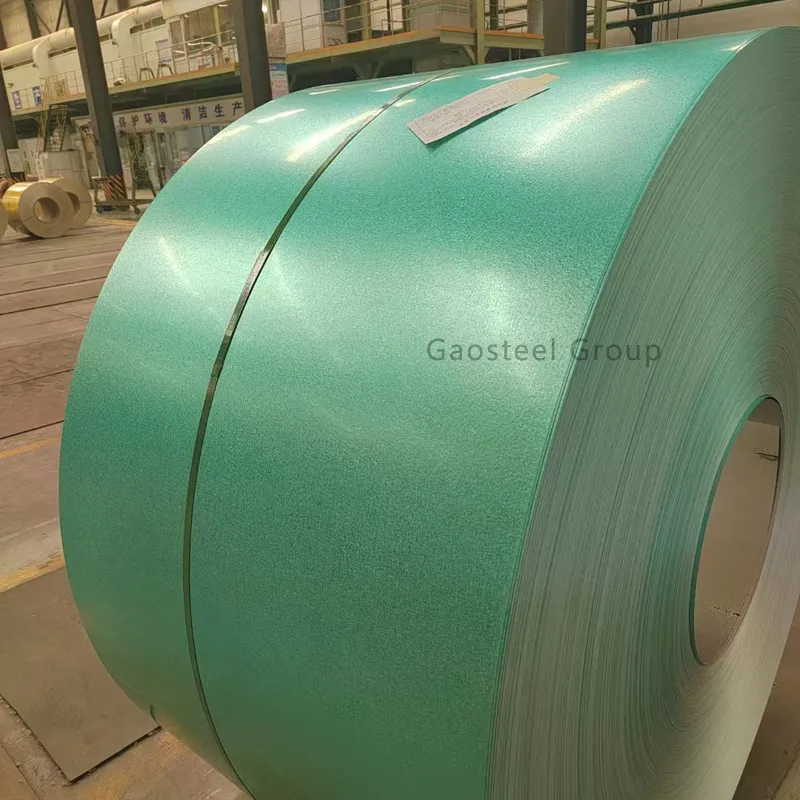
Corrosion Resistance: Why Galvalume Steel Coil Excels in Most Roofing Environments
Zinc-Aluminum Alloy vs. Pure Zinc: Electrochemical Protection Mechanisms
The coating on a galvalume steel coil consists of 55% aluminum, 43.5% zinc, and 1.5% silicon—a deliberate alloy engineered for dual-mode corrosion defense. Aluminum forms a dense, self-repairing oxide layer that acts as a highly effective physical barrier against moisture, oxygen, and UV exposure. Zinc contributes sacrificial (galvanic) protection, preferentially corroding to shield the underlying steel when the coating is scratched or abraded. Together, these mechanisms create a synergistic system that delivers 2–4× greater corrosion resistance than standard galvanized steel in typical roofing environments. Crucially, the aluminum barrier slows zinc consumption, extending the functional life of the sacrificial layer.
Self-Healing at Cut Edges and Delayed Red Rust Formation
Unlike pure zinc coatings, galvalume steel coil exhibits measurable self-healing behavior at cut edges. When steel is exposed during fabrication or installation, zinc ions migrate electrochemically to the edge, reacting with moisture and atmospheric carbon dioxide to form stable, protective basic zinc carbonates. This process limits red rust creep to a narrow, controlled band—typically under 1 mm—and halts progression over time. As a result, field performance remains robust even where cut edges are unavoidable, significantly reducing the risk of premature failure compared to galvanized alternatives. This delayed onset of red rust is a key reason galvalume is specified for long-life, low-maintenance roofing systems.
Lifespan and Real-World Durability of Galvalume Steel Coil in Roofing
25–40 Year Field Performance Across Humid, Arid, and Temperate Climates
Real-world data confirms galvalume steel coil consistently achieves 25–40 years of service life without scheduled maintenance across diverse climatic zones. Long-term exposure studies—including a 36-year U.S. field trial and a 17-year Canadian study—document service lives of 40–60 years in rural and industrial settings. In practice, most installations reach 35 years before showing signs of meaningful degradation. Humid climates may accelerate corrosion if water pools due to poor drainage, while arid regions often extend longevity by minimizing electrolyte formation. Temperate zones typically deliver balanced, predictable performance—many roofs approaching the full 40-year benchmark. The aluminum–zinc alloy’s resistance to both moisture-driven electrochemical attack and UV-induced polymer degradation underpins this reliability. Industry-standard 25-year warranties reflect broad confidence in its proven field performance under standard roofing exposure conditions.
Common Failure Modes: White Rust, Red Rust, and Delamination Patterns
Despite its resilience, galvalume steel coil can experience three distinct, slow-progressing failure modes over decades of service. White rust—a non-structural, powdery deposit of zinc hydroxide/carbonate—forms on fresh or poorly ventilated surfaces exposed to trapped moisture, especially in shaded overhangs or under insulation. Left unaddressed, it may contribute to localized coating thinning but rarely compromises structural integrity. Red rust appears only after the coating is breached (e.g., deep scratches, unsealed cuts), signaling iron oxidation; it typically emerges after 15–25 years in compromised areas. Delamination, the rarest mode, involves coating separation from the steel substrate—usually tied to manufacturing anomalies or prolonged chemical exposure (e.g., acid rain in industrial zones). When identified early through routine post-storm inspections, all three issues remain manageable and do not preclude achieving full design life.
Galvalume Steel Coil in High-Challenge Environments: Coastal, Industrial, and High-Salt Roofs
Chloride Resistance Thresholds: Superior Performance Above 0.5 g/m²/month
Galvalume steel coil demonstrates decisive superiority over galvanized steel where chloride deposition exceeds 0.5 g/m² per month—a threshold commonly exceeded in coastal zones, highway-adjacent facilities, and industrial rooftops exposed to chemical fallout. In such environments, the aluminum component forms a stable passive layer that resists chloride-induced pitting and undercutting far more effectively than pure zinc. Meanwhile, zinc continues to provide targeted sacrificial protection at vulnerable points like cut edges and fastener holes. This dual-action response maintains metal thickness and structural integrity longer: marine exposure data shows galvalume panels retaining full coating coverage well beyond the point where galvanized counterparts develop visible red rust. For architects and specifiers managing high-challenge roofing projects—especially those within 1 km of saltwater or near heavy industrial activity—galvalume is the empirically supported material of choice.
When Galvanized May Be Preferable: Niche Roofing Applications for Galvalume Steel Coil
Ammonia-Rich Environments (e.g., Barns, Animal Confinement): Limitations of Galvalume Steel Coil
Galvalume steel coil is not universally optimal—its performance declines sharply in alkaline, ammonia-rich environments such as dairy barns, poultry houses, and swine confinement facilities. Ammonia vapor (pH 9+) aggressively attacks aluminum’s protective oxide layer, accelerating dissolution of the 55% aluminum phase and undermining the barrier function. Field studies show corrosion rates up to four times higher in galvalume panels versus galvanized alternatives after five years in active livestock buildings. In contrast, conventional galvanized coatings—particularly AZM 180 (minimum) meeting ASTM A653 requirements—maintain slower, more predictable zinc consumption under the same conditions. For agricultural roofing applications, specifications should prioritize thick, zinc-dominant coatings over aluminum–zinc alloys to ensure long-term durability and reduce maintenance frequency.
Frequently Asked Questions (FAQs)
What makes galvalume steel coil superior to galvanized steel for roofing applications?
Galvalume steel coil offers 2–4× greater corrosion resistance than galvanized steel due to its dual-mode protection mechanism involving aluminum and zinc. The aluminum component creates an oxide barrier, while zinc provides sacrificial protection, ensuring a longer lifespan in diverse environments.
How long can galvalume roofing last in real-life conditions?
Galvalume roofing typically lasts 25–40 years in various climatic zones without maintenance. Some installations have been documented to achieve up to 60 years in rural and industrial conditions.
Can galvalume steel coil withstand coastal or industrial environments?
Yes, galvalume excels in high-challenge environments like coastal or industrial roofs due to its chloride resistance above 0.5 g/m²/month. It retains full coating coverage longer than galvanized steel.
Are there any environments where galvanized steel might be preferable?
Galvanized steel may be preferable in ammonia-rich environments, such as livestock buildings, where galvalume performance declines due to aluminum oxide layer corrosion.
Table of Contents
- Corrosion Resistance: Why Galvalume Steel Coil Excels in Most Roofing Environments
- Lifespan and Real-World Durability of Galvalume Steel Coil in Roofing
- Galvalume Steel Coil in High-Challenge Environments: Coastal, Industrial, and High-Salt Roofs
- When Galvanized May Be Preferable: Niche Roofing Applications for Galvalume Steel Coil
- Frequently Asked Questions (FAQs)