EN
EN



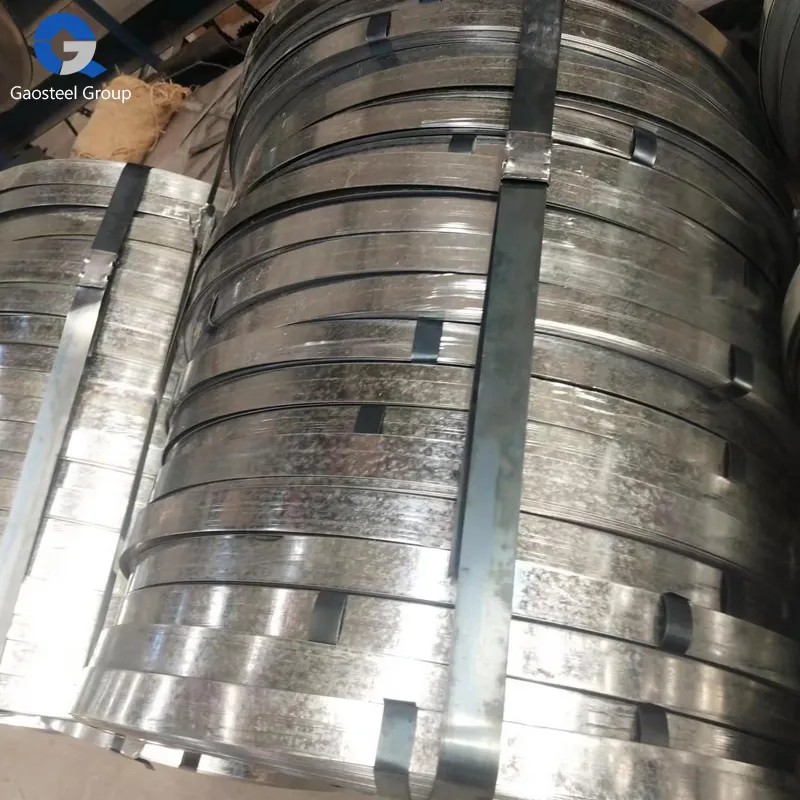
What Is a PPGI Coil? Manufacturing and Core Components
What is a PPGI coil and how is it manufactured?
PPGI, which stands for Prepainted Galvanized Iron, refers to steel that's been coated with zinc and then covered in multiple layers of paint to protect against rust and look good too. When making these coils, manufacturers start with steel that has already been dipped in molten zinc. Before painting though, they need to clean off any dirt or oil from the surface using special chemicals. Next comes the actual painting process where machines apply three different layers one after another through carefully aligned rollers. After all that, the whole thing goes into an industrial oven heated between around 200 to 250 degrees Celsius so everything sticks together properly. What makes this approach work well is that it creates a pretty even coating across the entire surface area, usually somewhere between 18 and 25 microns thick. Despite all those layers, the material stays flexible enough to bend and shape without cracking once production is complete.
Key components and coating materials in PPGGI coils
Three essential layers define PPGI performance:
- Galvanized substrate (Zinc coating: 60–275 g/m²) – Acts as a sacrificial barrier against rust
- Chromate-free primer – Enhances paint adhesion and scratch resistance
- PVDF or SMP topcoat – Provides UV stability, color retention (up to 20 years), and chemical resistance
Advanced paint systems now incorporate nano-ceramic particles for improved heat reflection and self-cleaning properties. Polyester resins remain the dominant base (used in 68% of architectural PPGI), balancing cost and durability, while fluoropolymer coatings cater to premium applications requiring extreme weather resistance.
Aesthetic Advantages of PPGI Coils in Modern Architecture
Color Variety and Surface Finish Options in PPGI Coils
PPGI coils come with well over 200 different colors available right off the shelf, plus special finishes like metallic sheen, matte texture, and even rough surface options. Traditional steel cladding just doesn't compare when it comes to color variety, sticking mostly to boring basics. The polyester coatings on PPGI products contain UV resistant pigments that keep their bright colors looking good for about 15 to maybe 25 years even when exposed to direct sunlight according to research from Ponemon back in 2023. Most manufacturers these days offer custom color matching through spectrophotometer technology, so architects can match building facades exactly to corporate branding guidelines or blend them into surrounding landscapes. A recent 2024 report on construction materials pointed out how important the RAL and Pantone compatible systems are becoming for big name buildings where getting the color just right matters a lot.
How PPGI Enhances Visual Appeal in Building Exteriors
PPGI coatings have this really smooth, shiny surface that actually makes buildings look better in natural light. The way they reflect sunlight changes how the building looks at different times of day. Structures can sort of disappear into what's around them too. Silver gray colored coils kind of match up with city skylines, whereas those softer green tones just seem to melt right into nature. For places like beach resorts, these high gloss PPGI panels create this amazing liquid metal look that regular materials just cant pull off without needing constant cleaning and maintenance.
Wood Grain, Marble, and Stone-Effect Finishes for Premium Design
The latest digital printing and embossing tech makes it possible for PPGI coils to mimic expensive materials while cutting down weight by around 40%. The wood grain finishes really do look like real teak and oak thanks to those tough clear coat layers, which works great for fire rated cladding in upscale resort developments. Marble effects come from multiple coating layers that create those authentic vein patterns, and there are also stone effect options where they mix texture into the embossing along with some mineral speckles thrown in. Architects love these because they can hit their green building targets without having to settle for anything less than top quality looks. According to research published last year, properties featuring these special PPGI finishes actually commanded higher prices in the market, somewhere between 7% and maybe even 12% more than regular buildings with standard exterior treatments.
Customization and Innovation in PPGI Decorative Finishes
Custom Color Matching and UV-Resistant Pigments in PPGI
Today's PPGI manufacturing incorporates computer controlled spectrophotometers that let architects get just the right colors they need for their projects. These systems can match Pantone colors pretty much exactly or create custom color schemes based on what the building requires. The latest UV resistant pigments really stand out too. According to a study from Architectural Coatings in 2023, these coatings keep around 95% of their original color even after sitting out in the sun for fifteen whole years. That beats regular paint hands down. What this means is designers can now add bold color statements like those bright turquoise details we see along some coastlines where hurricanes are common, without worrying about the colors fading away because the material itself is built tough enough to last through all kinds of weather conditions.
Innovations in Textured, Matte, and High-Gloss Surface Finishes
Manufacturers now combine digital embossing with multilayer coatings to produce realistic wood grain and 3D stone textures on steel. Key innovations include:
- Matte finishes reducing glare in desert architecture by 40%
- Slip-resistant gloss surfaces achieving 0.65 friction coefficients for roofing safety
- Self-cleaning nano-textures cutting façade maintenance costs by 75%
These developments allow designers to mimic natural materials while benefiting from steel’s strength, longevity, and formability.
Balancing Durability and Design: The Architectural Steel Paradox
To reconcile aesthetic demands with structural protection, premium PPGI coils employ a proprietary multilayer system:
| Layer | Function | Innovation |
|---|---|---|
| Base | Corrosion protection | Zinc-aluminum alloy (150 g/m²) |
| Middle | Adhesion | Chromium-free conversion coating |
| Top | Aesthetics | PVDF resin with ceramic nanoparticles |
This structure achieves Class A fire ratings and sub-micron surface smoothness, ensuring both safety and precise color reproduction in modern cladding systems.
Architectural Applications of PPGI Coils in Roofing, Cladding, and Facades
PPGI in Roofing Systems: Combining Function and Design
PPGI coils work really well for roofing because they have a galvanized base that resists corrosion plus those weatherproof polyester coatings on top. Tests show these materials last about 35 to 40 percent longer than regular metal roofs according to some recent studies from Material Performance Institute. The surface of PPGI also reflects quite a bit of sunlight actually bouncing back around 40% of what hits it, which means buildings stay cooler and save money on air conditioning costs too. And there's another bonus nobody talks about much but makes a big difference: the material has good sound dampening properties. It cuts down outside noises by roughly 15 decibels, something folks living near busy streets or airports would definitely appreciate during sleepless nights trying to catch some shut eye.
Cladding Solutions with Enhanced Weather Resistance and Color Retention
PPGI cladding can last around 25 years even when installed near the coast where salt air takes its toll on most materials. The fluoropolymer coatings stay vibrant too, keeping about 98% of their original color after a full decade under the sun. These textured surfaces mimic wood grain and stone patterns so well that many people don't realize they're looking at metal, yet they offer superior protection against fires with their Class A1 rating and require far less upkeep over time. Building owners who switch from traditional painted concrete find themselves spending roughly 60% less money fixing leaks and replacing damaged sections throughout the lifespan of their structures.
Wall Panel Applications in Commercial and Residential Facades
PPGI weighs around 3 to 4 kilograms per square meter, making it great for updating old buildings or adding new exteriors to tall buildings. For commercial spaces, contractors typically install panels between 0.4 and 1.2 millimeters thick that have special folds built in to cast interesting shadows across walls during different times of day. Residential applications tend to go for the matte finish options since they look contemporary without creating unwanted reflections on windows or surfaces. Another advantage worth mentioning is how easy this material bends into curves that would be impossible to achieve with standard composite materials, allowing architects to design truly unique building features.
Role of PPGI in Sustainable and Modular Building Design
PPGI coils support sustainable construction with 95% recyclability without quality degradation–contributing directly to LEED and BREEAM certification. Modular builders value PPGI’s dimensional consistency (±0.2mm tolerance) for prefabricated, precision-fit components. Its compatibility with photovoltaic integration and green roofing systems makes PPGI a foundational material in net-zero architectural design.
Case Studies: Iconic Buildings Showcasing Decorative PPGI Coils
Looking at modern architecture shows just what PPGI can do, take for instance the Singapore Arts Museum Annex project. There they used matte finish coils to create this huge 15,000 square meter facade that actually holds up against all that tropical humidity something Construction Materials Quarterly wrote about back in 2023. Then there's Dubai's Coral Tower where architects printed wood grain onto PPGI panels. This cut down installation time by around 40% compared to using real stone while still keeping good thermal properties. Some research looked at 120 different city buildings and found that facades made with UV resistant PPGI kept their colors much better too maintaining about 92% consistency after eight years versus only 67% for regular painted metal according to International Journal of Architectural Metals from last year. What we see here is pretty impressive really PPGI manages to satisfy those strict UNESCO Heritage requirements while also ticking boxes for LEED sustainability ratings thanks to some smart engineering work behind the scenes.
FAQ Section
What does PPGI stand for?
PPGI stands for Prepainted Galvanized Iron, which refers to galvanized steel that has been pre-painted to offer enhanced durability and versatility.
What are the main applications of PPGI coils?
PPGI coils are widely used in roofing, cladding, facades, and various architectural applications due to their aesthetic appeal and durability.
How long do PPGI coils typically last?
PPGI coils can last up to 25 years or more depending on the environment, especially due to their resistance to weather conditions and UV exposure.
Can PPGI coils be recycled?
Yes, PPGI coils are 95% recyclable without degrading quality, contributing to sustainable building practices.
Table of Contents
- What Is a PPGI Coil? Manufacturing and Core Components
- Aesthetic Advantages of PPGI Coils in Modern Architecture
- Customization and Innovation in PPGI Decorative Finishes
- Architectural Applications of PPGI Coils in Roofing, Cladding, and Facades
- Case Studies: Iconic Buildings Showcasing Decorative PPGI Coils
- FAQ Section