EN
EN



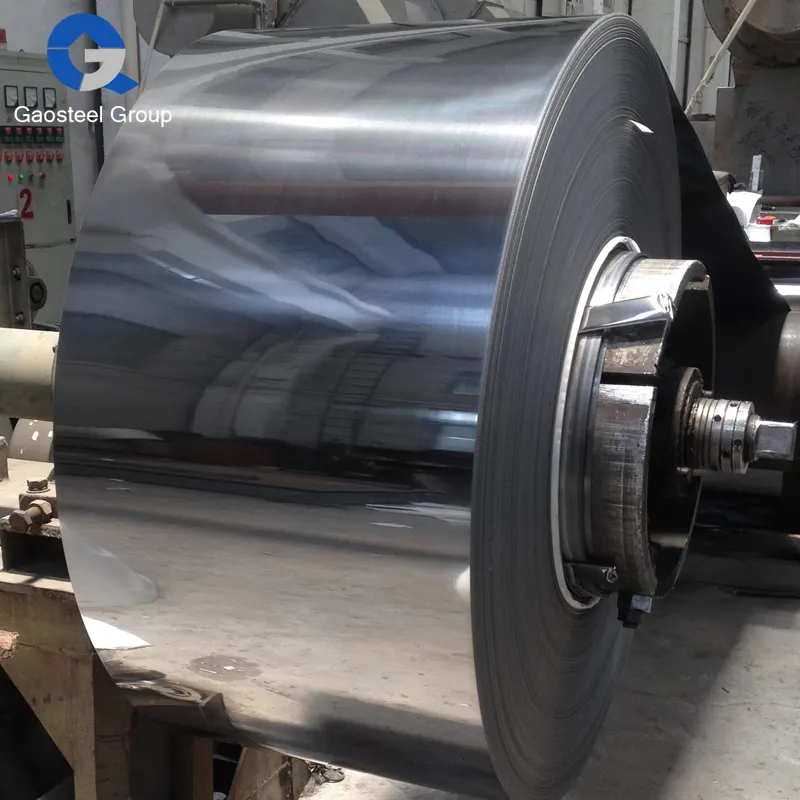
What Is Mild Steel Plate? Composition and Key Grades
Mild steel plate, a low-carbon steel variant containing 0.05%–0.25% carbon, serves as the backbone of structural and industrial fabrication. Its reduced carbon content enhances ductility and weldability while maintaining sufficient strength for load-bearing applications.
Definition and Core Characteristics of Mild Steel Plate
Unlike high-carbon steels, mild steel plates prioritize workability over hardness. With tensile strength ranging from 370–540 MPa (ASTM A36 standards), this material balances formability and structural integrity. The primary alloying elements—manganese (0.25%–0.75%) and trace silicon—improve machinability without compromising corrosion resistance.
Role of Carbon Content in Determining Material Properties
Carbon content directly influences critical performance metrics:
- Ductility: Lower carbon (≤0.15%) enables 20%+ elongation rates for complex forming
- Weldability: Reduced carbon minimizes martensite formation during welding
- Hardness: Surface hardness remains below 150 HBW, facilitating machining
The optimal carbon range (0.15%–0.25%) in grades like EN S235JR prevents brittleness in cold-forming operations while supporting yield strengths up to 355 MPa.
Common Mild Steel Grades in Industrial Fabrication
Three standardized grades dominate global markets:
- ASTM A36: General-purpose structural plates for beams and frames
- EN 10025 S235JR: European standard grade with improved impact resistance
- IS 2062 E250: Indian specification for seismic-resistant construction
These grades undergo rigorous chemical analysis to ensure consistent performance across thicknesses from 1.5mm to 300mm, meeting ISO 630 and BS 1449 compliance requirements.
Mechanical Properties: Strength, Ductility, and Thermal Behavior
Ductility and Malleability in Real-World Applications
The reason mild steel plates are so commonly used has everything to do with their carbon content staying under 0.25%. When this happens, the material can stretch about 15 to 25 percent before it breaks apart completely. Because of this flexibility, manufacturers can shape them into all sorts of complicated forms such as those fancy curved structures seen in buildings or the curved body parts on cars without worrying about cracks forming during production. Take construction beams as another good example. These are typically made by pressing them into I-shaped sections through cold forming processes that rely heavily on hydraulic equipment. What makes this possible is how well mild steel handles being deformed around 5 to 10 percent permanently yet still keeps its strength intact despite the changes.
Tensile Strength and Structural Reliability
Mild steel plates boast a yield strength around 250 MPa while their ultimate tensile strength can hit anywhere from 400 to 500 MPa. This combination gives these plates just the right mix of being able to hold weight without bending too easily. Because of this unique property profile, engineers often turn to mild steel when building structures that experience repeated loads over time. Think bridges needing support or those heavy duty storage racks in warehouses. What sets mild steel apart from more fragile materials is how it handles stress. Instead of cracking suddenly under pressure, mild steel actually bends and reshapes itself gradually, which helps avoid catastrophic failures in real world conditions where things aren't always perfect.
Thermal Conductivity and Response to Heat Treatment
The thermal conductivity of mild steel ranges between 45 and 50 W/m·K which means it distributes heat pretty evenly when being welded. However, if the metal cools down too quickly after welding, the hardness tends to go up around 20 to 30 percent but this comes with a tradeoff since the material becomes less ductile. When manufacturers want to restore good machinability properties, they often perform annealing treatments at temperatures between 650 and 700 degrees Celsius to relieve those internal stresses that build up during processing. Normalizing is another technique used in the industry that helps create a more uniform grain structure throughout the metal. Because of how well it handles temperature changes, mild steel finds its way into all sorts of applications including high temperature piping systems as well as various types of tooling components that require specific heat treatment processes.
Fabrication Advantages: Weldability, Machinability, and Forming
Ease of Cutting, Bending, and Forming Mild Steel Plates
Mild steel plates tolerate aggressive forming operations due to their low carbon content, enabling cold bending up to 180° without cracking. Industry studies from material selection guidelines demonstrate compatibility with laser cutting, shearing, and roll forming—processes that achieve ±1 mm precision in structural components.
Superior Weldability and Machinability for Efficient Production
The 0.05–0.25% carbon range ensures slag-free welds using MIG, TIG, or stick welding. Automated CNC machining achieves surface finishes below 3.2 µm Ra, reducing secondary grinding needs by 30% compared to high-carbon steels.
Secondary Fabrication Techniques and Industry Best Practices
- Heat-Free Drilling: Carbide tools maintain integrity below 200°C
- Press Brake Forming: Up to 10x faster than manual shaping for complex geometries
- Surface Rolling: Enhances fatigue resistance by 15% in load-bearing parts
Balancing High Weldability with Post-Weld Distortion Risks
While mild steel exhibits excellent fusion characteristics, rapid cooling can cause angular distortion exceeding 5 mm/m. Research in the International Journal of Advanced Manufacturing Technology confirms that staggered welding sequences reduce warping by 40%, with preheating to 150°C minimizing residual stresses in thick-section fabrication.
Industrial Applications of Mild Steel Plates
Mild Steel in Construction: Beams, Frames, and Infrastructure
Mild steel plates are pretty much essential in today's construction world. A recent metals industry study from 2023 found that about 78% of commercial building structures rely on this material. What makes mild steel so popular? Well, it offers great strength relative to its weight and doesn't break the bank either. That's why we see it used everywhere from load bearing beams to earthquake resistant frames and even parts of highway bridges. Another big plus is how flexible mild steel stays even when it gets quite thick - around 100mm actually. This property helps meet those tough building regulations without needing to spend extra money on materials. Builders love this because it saves cash while still keeping everything safe and sturdy.
Use in Machinery, Equipment, and Automotive Components
Every year, the car manufacturing business goes through around 22 million tons of mild steel plates just for making things like car frames, engine supports, and suspension bits. Car makers depend heavily on this material for building stuff such as hydraulic presses and conveyor belts because it welds so consistently. And let's face it, good welding matters a lot when putting together parts that experience constant movement and pressure. With newer laser cutting techniques coming along, we're seeing some pretty complex designs being made for EV battery casings too. This shows how mild steel keeps up with what the industry needs as technology changes over time.
Case Study: Industrial Storage Tanks and Long-Term Performance
Looking at chemical storage tanks over a decade shows something interesting about materials. Mild steel plates coated properly kept around 94% of their original strength compared to just 81% when left bare. Galvanized mild steel tanks actually hold up really well against corrosion too, losing less than 0.1 mm per year even in salty water conditions. That means these tanks last much longer than expected sometimes by as much as 7 to 12 extra years. No wonder then that most businesses go for mild steel plates when setting up new storage facilities. About two thirds of all recent installations choose this option because it makes sense both financially and practically speaking.
Corrosion Resistance, Surface Treatments, and Cost Efficiency
Limitations in Corrosion Resistance and Protective Finishes
Mild steel plates don't stand up well to corrosion because they contain so little alloying elements. These steels tend to oxidize quickly when exposed to damp conditions or harsh chemicals. Stainless steel tells a different story since it has around 10.5% chromium which forms a protective layer on the surface. Mild steel meanwhile focuses more on being easy to work with during fabrication thanks to its carbon content of about 0.25% or less. Looking at recent data from industry reports, we see that mild steel left unprotected near coastlines starts showing signs of wear after just 6 to 18 months. That's way faster than what happens with aluminum alloys that last between 3 to 7 years, or even galvanized steel which holds up for 5 to 15 years depending on conditions. To combat these issues, many manufacturers apply special coatings such as zinc rich primers or epoxy paints. These treatments act as shields blocking out both water and air, slowing down the inevitable rust process significantly.
Galvanizing, Powder Coating, and Painting for Enhanced Durability
Hot dip galvanizing still stands out as one of the best value options for corrosion protection. It applies a zinc layer between 50 and 150 microns thick, which typically lasts anywhere from 20 to 50 years in regular environmental conditions. When aesthetics matter more, powder coating becomes the go to choice. These coatings not only look better but also resist chemicals quite well. The UV stable versions can hold up outside for about 15 to 25 years before showing signs of wear. For those really serious about preventing rust, automotive grade painting systems are worth considering. They involve phosphate treatments followed by multiple layers of paint, cutting down corrosion problems by around three quarters when tested against bare metal surfaces according to recent studies published in the Materials Performance Journal last year.
| Treatment | Thickness Range | Service Life (Years) | Cost per m² ($) |
|---|---|---|---|
| Hot-Dip Galvanizing | 50–150 µm | 20–50 | 8–15 |
| Powder Coating | 60–120 µm | 15–25 | 12–20 |
| Epoxy Painting | 80–200 µm | 10–20 | 10–18 |
Cost-Effectiveness and Sustainability of Mild Steel Plates
Mild steel typically costs between $600 and $800 per ton according to World Steel Association data from 2023, which means it saves around 40 to 60 percent compared to stainless steel that runs anywhere from $2,100 to $2,800 per ton. Aluminum isn't much cheaper either at roughly $2,400 to $3,000 per ton. These kinds of savings really matter for big construction jobs where materials eat up most of the budget. Think warehouses needing structural support or massive storage systems in factories. The good news keeps getting better too. Many modern steel production facilities now rely on electric arc furnaces that process about three quarters recycled scrap metal. This approach cuts down on energy usage by almost two thirds when compared with older manufacturing techniques, making steel production both economically and environmentally smarter these days.
Recyclability and Environmental Impact in Modern Manufacturing
According to recent data from Steel Recycling Institute in 2023, mild steel has an impressive 93% recycling rate worldwide, way ahead of plastics at just 9% and composites below 5%. When we talk about what this means for resources, every single ton that gets recycled actually saves around 1.4 tons of iron ore plus cuts down on about 0.8 tons worth of carbon dioxide emissions. That kind of impact really supports those circular economy ideas many people are talking about these days. Even during secondary manufacturing steps such as plasma cutting operations, there's still going to be roughly between 15 to 20 percent scrap material generated. But here's where it gets interesting: most manufacturers manage to turn this waste back into fresh coils within approximately thirty days. This creates what industry folks call a closed loop system something that simply isn't possible with most plastic materials out there right now.
Frequently Asked Questions (FAQ)
What is the main advantage of using mild steel plates?
Mild steel plates are preferred for their high ductility, weldability, and cost-effectiveness, making them ideal for structural applications and industrial fabrication.
How do mild steel plates compare to stainless steel in terms of corrosion resistance?
Mild steel plates are less corrosion-resistant than stainless steel due to lower alloying elements. Protective finishes like galvanizing improve their durability in corrosive environments.
Are mild steel plates suitable for high-temperature applications?
Yes, mild steel plates are commonly used in high-temperature piping systems and tooling components. Their thermal conductivity and ability to undergo heat treatment make them suitable for such applications.
Table of Contents
- What Is Mild Steel Plate? Composition and Key Grades
- Mechanical Properties: Strength, Ductility, and Thermal Behavior
- Fabrication Advantages: Weldability, Machinability, and Forming
- Industrial Applications of Mild Steel Plates
- Corrosion Resistance, Surface Treatments, and Cost Efficiency
- Frequently Asked Questions (FAQ)