EN
EN



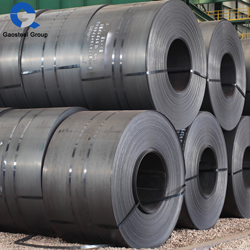
Optimal Mechanical Properties for Versatile Fabrication
High Ductility and Malleability Enable Complex Bending, Rolling, and Stamping
What makes mild steel plates so versatile for fabrication is their amazing ductility. These plates can stretch quite a bit before breaking, usually around 20 to 23 percent elongation. When paired with good malleability, fabricators can work wonders with them through various cold forming techniques. We're talking things like precise bends, deep drawn parts, and all sorts of stamping jobs right on regular shop machinery. This property saves money because shops don't need to spend extra on reheating processes or invest in special tools just to shape the metal. The numbers back this up too. A reference book from ASM International mentions that working with mild steel cuts down material waste during forming by roughly 15 to 30 percent when compared to steels with higher carbon content. That's a big deal for manufacturers looking to keep costs under control while still getting quality results.
Balanced Tensile Strength (250–450 MPa) Meets Non-Critical Structural and General-Purpose Needs
Mild steel plates have tensile strengths typically between 250 to 450 MPa, which gives them enough strength to handle loads in structures that aren't safety critical but still keeps them easy to work with during fabrication. Think of it as finding that sweet spot for applications like industrial shelving systems, conveyor frame construction, and protective guards around machinery where super strong materials just aren't necessary. When compared to those high alloy steels that require special equipment like plasma cutters or carbide tools, working with mild steel means regular shop tools will do the job fine. Drills, hand saws, and milling machines can get the job done without all the fuss. Fabricators report saving anywhere from 20% up to 40% on production time when making things like jigs, templates, or early prototypes. Plus, these steel plates maintain their shape pretty well even when subjected to normal amounts of stress during manufacturing processes.
Exceptional Weldability and Machinability of Mild Steel Plate
Low Carbon Content (<0.25%) Minimizes Cracking and Ensures Consistent Weld Integrity
Mild steel plates typically have carbon content kept under 0.25%, which makes them much less prone to problems like HAZ cracking when being welded together. The lower carbon level stops those brittle structures from developing in the metal, so the welds actually hold up better across different types of joints. Most fabricators find they can get good quality welds without needing all sorts of special preheat steps, something that really speeds things up on site without compromising how well the structure holds weight. Of course there are exceptions depending on thickness and application specifics, but generally speaking this approach works pretty reliably for most standard construction projects.
Effortless Machining with Standard Tooling Reduces Production Time and Maintenance Costs
Mild steel plates tend to behave consistently when subjected to standard machining methods such as drilling, milling or turning because they have pretty uniform metal characteristics throughout. Most shops go with high speed steel (HSS) tools rather than paying top dollar for carbide options, which cuts their tool costs somewhere around 20 to maybe even 30 percent each year depending on volume. The material's good machinability means less time spent swapping out worn tools and generally lower power usage while cutting and forming parts on the shop floor.
Cost-Effectiveness and Supply Chain Advantages of Mild Steel Plate
30–40% Lower Material Cost vs. Stainless or High-Alloy Steels – Without Sacrificing Core Functionality
Mild steel plates save money for most businesses since they usually cost around 30 to 40 percent less than stainless or other high alloy steels. The reason for this lower price tag is pretty simple really it's mostly just iron with very little carbon content under about 0.25% and none of those expensive metals like chromium or nickel mixed in. For manufacturers working in environments where rust isn't going to be a problem, these plates offer good value because they maintain decent mechanical properties despite their lower cost. When looking at numbers, mild steel has tensile strength ranging between 250 and 450 MPa and can handle impacts well enough for things like building structural frames, making tooling jigs, or constructing machine bases. Many shops find that these plates last just as long as pricier alternatives when used properly. Choosing mild steel allows factories to spend what they save on better fabrication techniques or improved assembly methods instead, which makes projects run smoother overall especially when there's no need for super strong corrosion protection.
Global Availability, Short Lead Times, and High Recyclability Strengthen Production Planning
The global network of suppliers keeps mild steel plates readily available, so companies don't face long waits when markets get shaky. Mild steel is made from plenty of iron ore found around the world plus tons of scrap metal that gets reused again and again. Because these materials are so common, most orders take only about two to three weeks before arriving at factories. What makes mild steel really stand out though is how easy it is to recycle almost completely. Recycling old mild steel saves between 60 and 70 percent of the energy needed to make new steel from raw ore. For manufacturers looking to cut costs while still being green, this means they can plan their stock better, hit those environmental goals set by regulators, and ultimately spend less money on materials over time. With all these benefits, many plants simply couldn't operate efficiently without incorporating mild steel into their regular production runs.
Proven Real-World Applications Across Key Manufacturing Sectors
Mild steel plate’s balanced properties enable its dominance in foundational industrial components. Where high strength-to-weight ratios and dimensional accuracy are non-negotiable, this material delivers reliable performance across diverse manufacturing environments.
Structural Frames, Machinery Bases, and Heavy Equipment Components
Mild steel plates form the backbone of many construction sites and heavy machinery operations. They're used extensively in building cranes, bulldozers, and those long conveyor belts we see at mining facilities. What makes this material so popular? Well, it stands up pretty well to all sorts of impacts and can handle the constant movement of materials through processing plants and factory assembly lines. Plus, compared to other metals, mild steel doesn't break the bank when manufacturers need to produce large quantities for big projects. The best part for fabricators is how easy it is to work with. Most shops can weld these plates together to make custom I-beams or reinforce platforms right on site without needing special heat treatments or fancy equipment that only exists in high-end metalworking labs.
Automotive Jigs, Fixtures, and Tooling Where Dimensional Stability and Surface Quality Matter
Car makers use mild steel plates extensively across their production lines for things like precision locating fixtures, welding jigs, and those robotic arms at the end of assembly line stations. The real value comes from how stable these plates stay dimensionally, maintaining around 0.1mm tolerance even when aligning thousands of parts day after day. Plus, the smooth surface doesn't scratch or damage the workpieces during handling. Manufacturers often add heat treatment or spot hardening to these plates too. This extra step makes them last much longer since they don't bend out of shape after all those repeated clamping operations that happen constantly on modern manufacturing floors.
Frequently Asked Questions (FAQ)
What is the ductility of mild steel plates?
Mild steel plates typically have an elongation capacity of around 20 to 23 percent before breaking, which highlights their high ductility.
Why is mild steel preferred in fabrication industries?
Mild steel is favored due to its affordability, excellent weldability, machinability, ductility, and global availability. These factors make it ideal for non-critical structural applications.
How does mild steel compare with high-alloy steels?
While high-alloy steels are stronger and more resistant to certain environmental factors, mild steel is more cost-effective and easier to fabricate for non-critical applications.