EN
EN



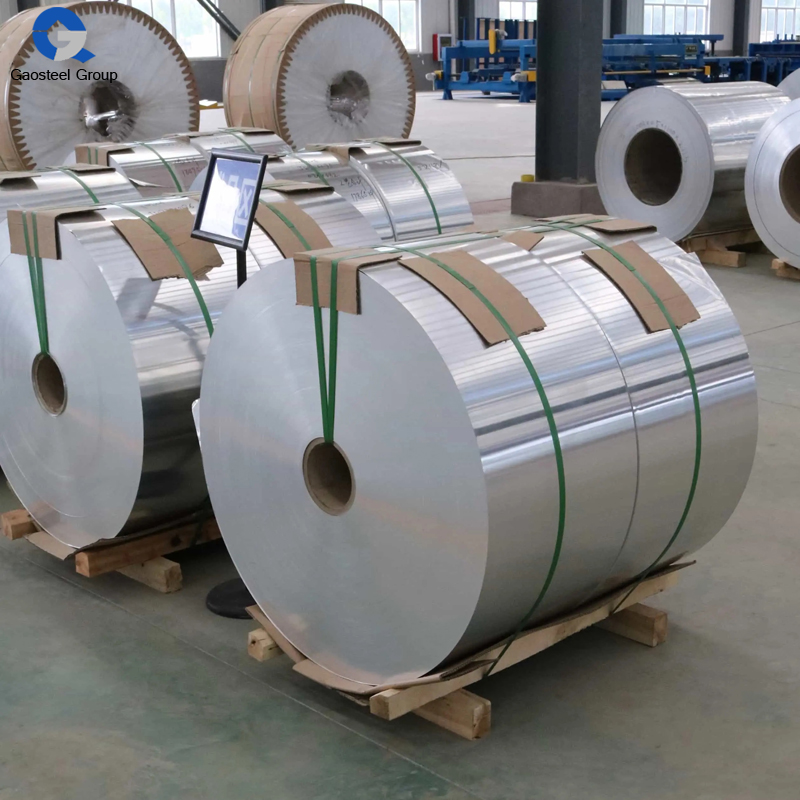
PPGI Coil in High-Performance Cladding Applications
Roofing, Wall Panels, and Façade Systems in Commercial and High-Rise Buildings
PPGI coil really stands out when it comes to architectural cladding, particularly where buildings need to handle tough conditions in commercial settings or tall structures. What makes this material so good is how it's put together: basically galvanized zinc stuck to some pretty sophisticated organic coatings. The result? Buildings stay protected against harsh weather for much longer than they would with other options. We see this material working wonders on roofs that get blasted by sun all day long, walls that take constant abuse from wind and debris, and those fancy facade designs where colors just won't fade over time. Traditional materials tend to warp or separate at seams when temperatures fluctuate, but PPGI holds its shape even through extreme temperature changes. Contractors love working with it too because it bends and forms into complicated shapes without breaking, which cuts down on installation time. Plus, it meets all those strict international standards for things like fire safety and resisting strong winds, something that matters a lot in big city developments these days.
Real-World Validation: ASEAN and GCC Projects with 15+ Years of PPGI Cladding Integrity
Real world evidence from Southeast Asia and the Middle East shows how well PPGI coils hold up over decades in tough weather conditions. Buildings standing in Singapore's humid climate and along Dubai's salty coastline have shown almost no signs of rust even after more than fifteen years. The coatings stay firmly attached, meeting and sometimes beating those salt spray tests defined by ASTM B117 standards. Take for instance this 22 story office building in Kuala Lumpur that was wrapped completely in PVDF finished PPGI back in 2008. Despite facing regular monsoon rains, the color has only faded about 5% at most (which translates to Delta E values below 2). Across the Gulf, engineers working on coastal projects in Qatar haven't had to replace any panels since 2010 either. They credit this longevity to the special zinc aluminum alloy layer that acts as a protective shield against corrosion. All these examples point to significant savings in maintenance costs compared to other painted materials which often need touching up or complete repainting down the road.
Corrosion and Weather Resistance: The Core Strength of PPGI Coil
Dual-Layer Protection: Galvanized Zinc Substrate + UV-Stable Organic Coating
The strength of PPGI coils comes down to their clever two-part protection system. First off, there's a galvanized zinc layer that actually becomes part of the steel itself at a molecular level. This gives what's called sacrificial protection against rust. Basically, if the steel gets scratched somewhere, the zinc will start to corrode first instead of letting the steel underneath get damaged. That happens because of some pretty cool electrochemical reactions going on. On top of all that zinc goodness sits another layer made from materials like polyester, silicone modified polyester, or sometimes even PVDF. These coatings act like a shield against rainwater, chemicals floating around in the air, and those harsh rays from the sun. Manufacturers also throw in special additives to help keep colors looking fresh for longer periods without fading away or turning chalky over time. Tests done under extreme conditions similar to heavy tropical rains and intense desert sunlight back up how well this whole package works together.
ASTM B117 Salt Spray Performance: 1,500+ Hours to First Red Rust in Premium PPGI Coil Grades
Testing in labs actually measures how well these materials hold up. High quality PPGI coil can last over 1,500 hours in those salt spray tests defined by ASTM B117 standards before showing any sign of red rust. That's almost three times longer than what we see from regular industrial grade options which typically start corroding after around 500 hours. During these tests, they continuously spray a 5% sodium chloride solution at temperatures around 35 degrees Celsius (which is about 95 Fahrenheit). This mimics what happens when structures are exposed to saltwater along coastlines or subjected to road salts during winter months. The performance really depends on the specs used. Coils with at least AZ150 zinc coating (that's 150 grams per square meter) plus a 25 micrometer polyester finish tend to go beyond 1,800 hours of testing. But if the coatings are thinner, failure occurs somewhere between 800 to 1,000 hours. All this thorough testing explains why so many industrial buildings and structures near the ocean depend on premium PPGI coil. Their ability to resist corrosion isn't just theoretical—it can be measured accurately, predicted reliably, and most importantly, doesn't compromise structural integrity over time.
Long-Term Durability and Lifecycle Value of PPGI Coil Cladding
20–30-Year Service Life Under Intense UV, Thermal Cycling, and Humidity — Verified by Field Data
The PPGI coil has proven itself in real world conditions with a service life lasting anywhere from 20 to 30 years despite harsh environmental challenges. Think about intense ultraviolet radiation, dramatic temperature changes where daily fluctuations exceed 40 degrees Celsius, and consistently high humidity levels above 85% relative humidity. What makes this possible? The base material combines zinc and aluminum to offer ongoing protective benefits over time. On top of that, modern polymer coatings such as PVDF and SMP stand up against UV damage and keep colors looking fresh for many years. Laboratory testing shows these materials handle thermal expansion and contraction remarkably well, which matters a lot for building exteriors located in hot deserts or humid tropical regions. And don't worry about moisture problems either. These coils resist blistering formation even when installed near saltwater coastlines where conditions are particularly tough on construction materials.
This durability translates into measurable lifecycle savings:
- 50% reduction in recoating costs compared to post-painted alternatives
- Near-zero maintenance expenses after installation
- Extended replacement cycles validated by ASEAN and GCC infrastructure projects
The combination of material science and real-world performance establishes PPGI coil as a cost-efficient, sustainable solution for permanent structures.
Coating Technology Selection: Matching PPGI Coil Coating Types to Project Demands
Polyester, SMP, and PVDF PPGI Coil: Balancing UV Resistance, Chalking Performance, and Cost Efficiency
Choosing the right PPGI coil coating means matching what the material can do with what matters most for each project. Polyester coatings tend to be cheaper and give decent UV protection, which works fine when money is tight or when something won't last long term. But these coatings start showing chalkiness after about five to seven years if they're sitting out in bright sunlight all day. Silicon modified polyester offers better resistance to sun damage and holds up against fading for around ten to fifteen years, so it makes sense for regular commercial buildings where getting good value without breaking the bank is important. When we talk about maximum durability though, especially on building facades facing salty coastal air or intense desert sun, nothing beats PVDF coatings. These last over twenty years with almost no chalkiness and keep colors looking fresh much longer. Most experienced contractors will tell their clients to go with PVDF for exterior walls that get constant exposure, choose SMP for standard commercial projects, and save polyester for inside spaces or temporary structures where the main concern is keeping costs down over time.
Operational Advantages: How PPGI Coil Lowers Total Cost of Ownership
35% Faster Installation and 70% Less Maintenance vs. Post-Painted Steel — Contractor Benchmark Data (India, Vietnam, 2023)
The use of PPGI coils in construction has led to major improvements in how fast things get done on site. Contractors in India and Vietnam saw their installation times drop by around 35% in 2023 because these materials come ready to install right out of the box. No need for messy on-site painting anymore, which means no waiting for good weather or dealing with quality issues during application. Building owners also noticed something pretty impressive - maintenance costs went down by about 70% over five years. The factory finish holds up much better against rust and fading colors, especially important in hot humid climates where buildings tend to deteriorate quickly. All these factors cut down overall costs significantly without making any sacrifices when it comes to looks or structural integrity requirements for most construction projects today.
Frequently Asked Questions
What is PPGI coil composed of?
PPGI coil is composed of galvanized zinc with sophisticated organic coatings, which provide protection against harsh weather conditions.
How does PPGI coil benefit buildings in extreme climates?
PPGI coil holds its shape during extreme temperature changes and offers significant resistance to corrosion, making it ideal for buildings exposed to intense climates.
What are the maintenance cost advantages of PPGI coil?
PPGI coil reduces maintenance expenses significantly, with lower recoating costs and extended replacement cycles compared to other painted materials.
How does the dual-layer protection in PPGI coil work?
The galvanized zinc layer provides sacrificial protection, while UV-stable organic coatings prevent rainwater, chemicals, and sun damage.
Table of Contents
- PPGI Coil in High-Performance Cladding Applications
- Corrosion and Weather Resistance: The Core Strength of PPGI Coil
- Long-Term Durability and Lifecycle Value of PPGI Coil Cladding
- Coating Technology Selection: Matching PPGI Coil Coating Types to Project Demands
- Operational Advantages: How PPGI Coil Lowers Total Cost of Ownership
- Frequently Asked Questions