EN
EN



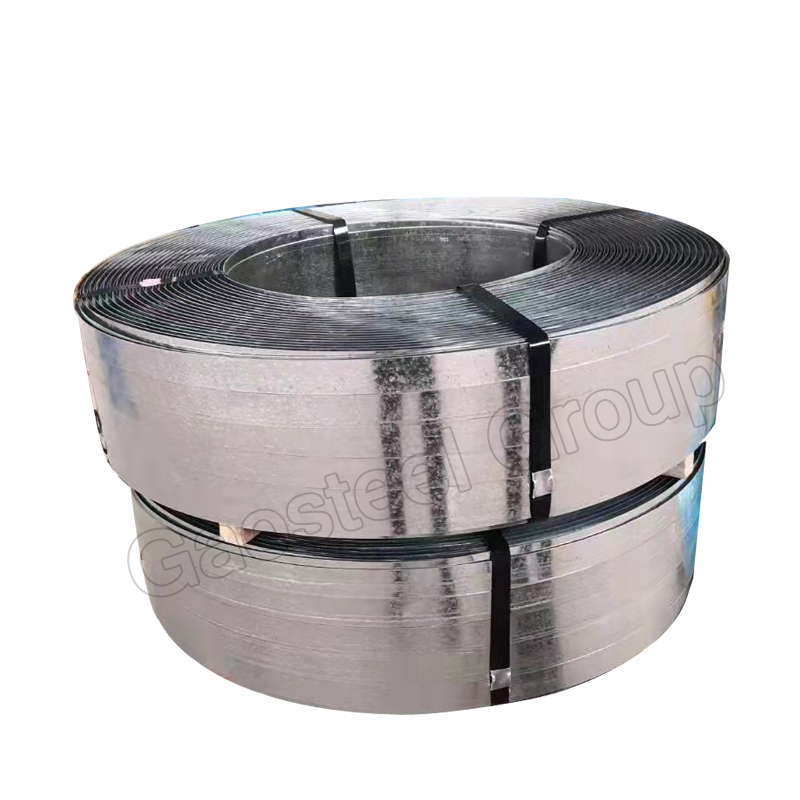
Electropolishing: Chemical Precision for Ultra-Smooth Stainless Steel Strip
How Electropolishing Removes Micro-Burrs and Enhances Corrosion Resistance in Stainless Steel Strip
Electropolishing works through electrochemical reactions that target those tiny peaks on stainless steel strips. When immersed in a controlled electrolyte solution while running direct current through it, the metal becomes positively charged (the anode). What happens next is pretty neat: the high spots get eaten away faster than the low areas. At an atomic level, this process smooths out all sorts of imperfections. It gets rid of those pesky micro-burrs left from machining, pulls out any foreign materials stuck in the surface, and fixes up surface flaws across the whole piece consistently. The result? A much cleaner finish that's actually better for certain industrial applications where purity matters most.
Electropolishing works against corrosion in two main ways at once. First it gets rid of those tiny surface flaws that often start problems like pitting and crevice corrosion. Then there's the chromium oxide layer on stainless steel surfaces getting both richer and thicker during the process. What we end up with is something pretty remarkable: electropolished stainless steel can reach surface roughness levels between 0.1 and 0.4 micrometers. That means incredibly smooth finishes without pores, making them much harder for bacteria to stick to and easier to clean thoroughly. For industries where cleanliness matters most, this makes all the difference. Medical device manufacturers rely heavily on electropolishing because their products need to stay sterile. The same goes for food processing plants wanting to avoid contamination risks. Pharmaceutical companies also find these properties essential when dealing with sensitive fluid systems where even minor contamination could have serious consequences.
Electropolishing vs. Passivation: Key Differences in Surface Chemistry and Performance for Stainless Steel Strip
While both processes improve corrosion resistance, their underlying mechanisms—and functional outcomes—are fundamentally distinct. Passivation is a chemical-only treatment using nitric or citric acid baths to remove free iron and optimize the chromium-to-iron ratio in the existing passive layer. It does not alter surface topography or remove material.
Electropolishing, by contrast, is an electrochemical material-removal process that anodically dissolves 5–50 microns of surface metal. This delivers three performance advantages unattainable through passivation:
- Surface Smoothness: Produces mirror-like finishes with Ra < 0.2 μm—far beyond passivation's capability
- Contaminant Removal: Eliminates embedded particles, micro-fractures, and cold-worked layers left by mechanical processing
- Performance: Independent sanitation studies show electropolished surfaces improve cleanability by up to 80% compared to passivated equivalents
Passivation remains appropriate for cost-sensitive applications requiring baseline corrosion protection. Electropolishing is specified where surface integrity directly impacts function—such as in semiconductor wafer handling, bioreactor components, or implant-grade instrumentation.
Mechanical Polishing: Controlled Abrasion to Achieve Target Surface Finishes on Stainless Steel Strip
Step-by-Step Process: From Coarse Grinding to Mirror Buffing for Stainless Steel Strip
The mechanical polishing process works wonders on stainless steel strips by going through several stages of abrasion in sequence. Most shops start off with coarse grinding around 80 to 120 grit to get rid of those pesky weld seams, mill scale buildup, and any deep gouges left from machining. This first step is crucial because it gets the surface pretty flat, usually within about plus or minus 0.05 mm. Next comes medium grit stuff between 180 and 240 which takes care of those rough scratches left behind after the initial grinding. The finish looks much smoother at this point. Then there's the fine polishing stage with grits ranging from 400 to 600 that really evens out the whole surface so it's ready for whatever finishing touches might be needed later. All told, each pass through these different grit levels typically removes somewhere between 0.1 and 0.3 mm of material without messing up the metal's fundamental properties.
Mirror buffing marks the final stage of this process. Rotating cloth wheels loaded with diamond paste particles ranging from 1 to 3 microns create just enough friction and heat to make the surface plastically deform, resulting in those highly reflective finishes where roughness measurements drop below 0.1 microns. Getting good results really depends on controlling the pressure applied during this step, typically between 2 and 5 pounds per square inch. Thermal management matters too because if operators apply too much force or let the wheel stay in one spot for too long, there's a risk of overheating specific areas. This excessive heat can actually strip away chromium from grain boundaries, weakening the material's ability to resist corrosion over time.
Belt Grinding and Final Buffing: Roles in Pre-Mirror Preparation and Luster Enhancement
Belt grinding serves as the high-efficiency foundation for pre-mirror preparation. Using continuous zirconia-alumina abrasive belts, it delivers uniform satin finishes compliant with ASTM A480 No.4 or HL (hairline) standards—effectively leveling microscopic peaks while maintaining tight tolerances across wide strip widths.
Getting that final shine involves buffing with cotton or sisal wheels loaded with chromium oxide compounds. When these wheels meet stainless steel, they create friction that can heat things up to around 200 degrees Celsius. This temperature is just right for making the metal flow slightly without causing any oxidation problems. The process works wonders for smoothing out those tiny surface irregularities, boosting light reflection by somewhere between 70 and 90 percent compared to what we see on raw surfaces. Important note though: keep the buffing speed under 2500 RPM to avoid abrasive particles getting stuck in the metal. This embedded grit can lead to pitting later on, particularly with common stainless types such as grade 304 and 316 which are widely used across many industries.
Surface Finish Standards and Application-Driven Selection for Stainless Steel Strip
Decoding Industry Finish Codes (No.3, No.4, HL, BA, No.8) — Impact on Formability, Cleanability, and Aesthetics of Stainless Steel Strip
Selecting the optimal surface finish for stainless steel strip requires aligning standardized industry codes with functional priorities—not just appearance. Each finish represents a deliberate balance of metallurgical behavior, manufacturability, and end-use performance:
- Formability: Coarser finishes like No.3 (Ra 0.4–1.0 μm) provide higher friction coefficients that reduce galling during deep drawing. Smoother finishes such as BA (Bright Annealed, Ra ≤ 0.1 μm) offer superior fatigue resistance in repeatedly bent or flexed components—critical for spring clips or hinge mechanisms.
- Cleanability: Mirror-finish No.8 (Ra ≤ 0.05 μm) offers the lowest bacterial retention rates, validated in ISO 14971-compliant hygienic design protocols. In contrast, directional finishes like HL or No.4 contain micro-grooves that may trap biofilms if not rigorously maintained—making them less suitable for sterile process environments.
- Aesthetics: Architectural cladding often specifies BA or No.4 for visual consistency and scratch-hiding capability, whereas luxury interiors or instrumentation panels demand the optical clarity of No.8.
| Finish Code | Typical Ra (μm) | Best Suited For | Formability | Cleanability |
|---|---|---|---|---|
| No.3 | 0.4–1.0 | Industrial equipment | High | Moderate |
| No.4 | 0.2–0.4 | Decorative panels | Medium | Good |
| BA | ≤ 0.1 | Appliance trim | Medium-High | Excellent |
| No.8 | ≤ 0.05 | Medical/Sanitary systems | Low | Superior |
When dealing with corrosive materials or situations where purity matters, smoother surfaces help prevent damage to protective layers when things get cleaned or used regularly. On the flip side, certain applications need surfaces that can handle stretching or resist wear, so some level of texture actually works better for these cases even though it might mean working with a bit rougher finish. The key point is matching surface characteristics to what really matters for each specific use case. Take food processing equipment versus elevator panels or parts housing sensitive sensors in aircraft. Each one needs completely different standards for how they perform under real world conditions.
Polishing Compound & Grit Strategy: Optimizing Abrasive Selection for Stainless Steel Strip Grade and Desired Finish
Getting the abrasive sequence right matters a lot when trying to reach those target finishes on stainless steel strips while still keeping their structural integrity and resistance to corrosion intact. Most people follow what's called a progressive reduction approach. Start with the coarser grits like P60 through P120 to get rid of all that pesky weld spatter, scale buildup, or those deep machining marks. Then move on to medium grits ranging from P150 to P240 which help smooth out scratches and get things ready for actual polishing work. Fine abrasives above P320 make sure the surface looks uniform across the board. Finally, those super fine compounds under 10 microns really shine through in the mirror finish stage, giving that reflective quality we're after.
When choosing materials for processing, both thickness and type of alloy matter quite a bit. Thin metal strips below 0.5mm thickness need special attention. Starting with P180 grit or higher helps prevent holes from forming when doing heavy grinding work. Most shops find that austenitic stainless steels like 304 and 316 work best with aluminum oxide abrasives. But things get trickier with martensitic or precipitation hardened alloys. These tougher materials call for ceramic wheels or silicon carbide grains instead. Otherwise, they tend to work harden and develop those annoying subsurface cracks nobody wants to deal with later. And don't forget lubrication! Water soluble coolants or good quality synthetic oils are absolute must haves. Without proper cooling, surfaces burn up, which messes with the chromium layer and leads to those pesky pits that ruin corrosion resistance over time.
As with any precision finishing process, validating abrasive performance on representative sample strips before full production prevents costly rework and ensures repeatable, specification-compliant results.
FAQ Section
What is electropolishing used for?
Electropolishing is used to remove micro-burrs, enhance corrosion resistance, and achieve ultra-smooth finishes on stainless steel surfaces. It is essential for applications requiring high cleanliness and surface integrity.
How does electropolishing differ from passivation?
While both processes aim to improve corrosion resistance, electropolishing involves electrochemical material removal to smooth surfaces, whereas passivation only alters chemical composition without changing surface topography.
What are the benefits of mechanical polishing?
Mechanical polishing removes surface imperfections and prepares stainless steel for final finishes. It involves a step-by-step process from coarse grinding to mirror buffing, enhancing surface reflection and cleanliness.
Why is abrasive selection important in stainless steel finishing?
Choosing the right abrasives ensures that the desired surface finish is achieved without compromising the structural integrity or corrosion resistance of the stainless steel.
Table of Contents
- Electropolishing: Chemical Precision for Ultra-Smooth Stainless Steel Strip
- Mechanical Polishing: Controlled Abrasion to Achieve Target Surface Finishes on Stainless Steel Strip
- Surface Finish Standards and Application-Driven Selection for Stainless Steel Strip
- Polishing Compound & Grit Strategy: Optimizing Abrasive Selection for Stainless Steel Strip Grade and Desired Finish
- FAQ Section