EN
EN



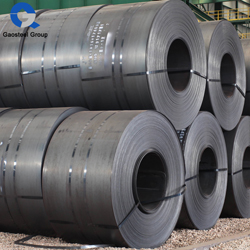
Understanding Corrosion Drivers in Carbon Steel Coil Applications
Moisture, Humidity, and Condensation-Induced Corrosion Mechanisms
When moisture gets onto carbon steel coils, it starts the electrochemical process that eats away at iron atoms right at those anodic spots. At humidity levels over 60%, thin layers of water stay on surfaces long enough for oxygen to diffuse through them, which is exactly what rust needs to form. Temperature changes cause condensation cycles where things get wet then dry again repeatedly, and this back and forth speeds up corrosion rates by three to five times compared to when everything stays dry according to atmospheric corrosion research standards like ISO 9223. Moisture trapped underneath packaging materials or sandwiched between different layers of coils creates these differential aeration cells that really kickstart degradation processes. Just think about it: even traces as small as 0.01% moisture content can lead to noticeable rust appearing within just three days in areas with high humidity. That's why proper storage solutions matter so much, including good vapor barrier protection, keeping air circulation controlled, and sometimes adding desiccants to absorb any lingering dampness.
Salt Exposure and Atmospheric Pollutants: Real-World Acceleration of Degradation
Steel coils degrade much faster in coastal regions and industrial zones because of salt deposits and acidic pollutants in the air. When saltwater mist lands on metal surfaces, it forms conductive solutions that break down protective coatings. At the same time, sulfur dioxide from factories mixes with rainwater to create sulfuric acid, which drops the pH level and leads to those nasty pits we see on metal surfaces. The difference between land and sea is huge too - corrosion happens about 8 to 10 times quicker near the ocean than in regular inland areas. Chloride related pitting can eat away at materials at over half a millimeter per year according to NACE standards. Things get even worse when soot particles stick around since they hold moisture longer on surfaces, making everything corrode faster. All these factors working together mean standard packaging won't cut it for long term storage or shipping along coastlines. We need special protective measures instead of off the shelf solutions.
Proven Surface Protection Methods for Carbon Steel Coil
Galvanization, Organic Coatings, and Hybrid Systems: Performance vs. Lifecycle Cost
Zinc coating works its magic through what engineers call sacrificial protection, basically acting as a shield that corrodes instead of the metal underneath. This protection lasts anywhere from 20 to 50 years depending on where it's installed, making it pretty reliable for places with average weather conditions. Paint jobs like epoxy or polyester coatings offer some nice benefits too. They let designers get creative with colors and shapes while resisting chemicals better than plain old paint. Plus, they're cheaper to apply initially. The downside? Most need touching up every 8 to 15 years or so. Some smart folks have started mixing traditional galvanizing with polymer coatings on top. These combo systems can last between 35 and 70 years even in tough spots near saltwater or industrial areas where corrosion runs rampant. Sure, these hybrids cost about 30 to 50 percent more upfront compared to regular galvanizing, but according to those corrosion management reports from NACE SP0116, they actually cut down maintenance costs by around 60% over time. When picking which option makes sense, just look at how harsh the environment will be on the materials involved.
| Protection Type | Avg. Lifespan | Cost Premium | Best Application |
|---|---|---|---|
| Galvanization | 20–50 years | Baseline | General outdoor |
| Organic Coating | 8–15 years | 20–40% lower | Indoor/low-risk |
| Hybrid System | 35–70 years | 30–50% higher | Coastal/chemical |
Temporary Protection: Oil-Based Inhibitors, Phosphating, and Passivation for Storage & Transit
VCI oils create short lived water repelling barriers that push out moisture and stop chemical reactions while materials are stored or transported. Phosphating applies tiny zinc phosphate crystals on surfaces which helps paint stick better later on and gives some protection against rust in the meantime. For passivation treatment, older methods used chromates but now most companies go with safer trivalent chromium options instead. These treatments form protective oxide layers that can hold off oxidation for anywhere between six to eighteen months depending on conditions. What's interesting is that adding these temporary protections only increases overall project expenses by under five percent, yet they stop transportation issues that affect around twelve percent of steel coils without them according to logistics studies like ASTM D4149. Another important thing worth mentioning is that whatever temporary treatment gets applied needs to come off completely through standard cleaning procedures so it doesn't mess up subsequent processes like welding, painting jobs, or metal forming operations down the line.
Optimized Handling, Storage, and Logistics for Carbon Steel Coil Integrity
Preventing Edge Damage, Coil Set, and Warping Through Proper Support and Stacking
Edge damage remains one of the biggest problems we see in the field when dealing with carbon steel coils. When these coils come into contact with rough surfaces or get shifted sideways during transport, their structural integrity starts to break down faster than normal. This leads to corrosion kicking in much sooner than expected. To keep things under control, always use those specially designed curved cradles that match the coil's radius. They help spread out the weight properly and stop that annoying coil set issue where the metal gets permanently deformed from sitting too long under pressure. Stack no more than three coils vertically at most, and remember to put some non-metallic spacers between each layer. This simple step prevents abrasion and protects whatever coatings might be on there. Temperature matters too. Keep storage areas away from any heat sources, and try to maintain temperatures within about 5 degrees Celsius up or down. Big temperature swings just create more stress on the material. Regular checks are important too. Look around every two weeks for signs that coils might be shifting out of alignment or settling unevenly in their supports. And when moving stuff around with forklifts? Only use those specialized coil handlers with rubber tips on the arms. Chains, regular slings, or letting metal touch metal directly should all be off the table. We've seen what happens when edge compression goes over 2 pounds per square inch it's basically game over for the coil.
Mitigating Chemical Exposure Risks in Manufacturing and End-Use Environments
When carbon steel coils come into contact with chemicals during production or when they're put to work, serious damage can happen fast. We've seen acids, solvents, and those pesky industrial pollutants eat away at protective coatings and start rusting the actual metal underneath, which leads to spots of corrosion forming all over. The first line of defense? Keep things separate. Store the coils apart from any chemicals that might react badly with them, preferably somewhere dry and properly ventilated where dust and other airborne nasties don't build up over time. While working with these materials, applying some kind of chemical resistant film or temporary coating goes a long way toward keeping splashes, fumes, and vapor from getting through. If the coils are going to be used in really harsh environments like chemical processing plants, then specifying certain alloy grades makes sense. ASTM A1011 with copper and nickel additives works well, or boosting the galvanizing layer according to ASTM A653 Class G90+ standards helps the coils last longer. But none of this matters if workers aren't trained properly either. Making sure everyone knows how to handle spills, wears appropriate protective gear, and understands what kinds of contaminants pose risks throughout the whole supply chain saves money on repairs down the road and keeps structures reliable for years instead of months.
Frequently Asked Questions
What causes corrosion in carbon steel coils?
Corrosion in carbon steel coils is primarily caused by moisture, humidity, condensation cycles, salt exposure, and atmospheric pollutants, which accelerate degradation.
How long does zinc coating protect carbon steel?
Zinc coating can protect carbon steel anywhere from 20 to 50 years, depending on the environmental conditions where it is installed.
What are hybrid coating systems?
Hybrid coating systems combine traditional galvanizing with polymer coatings, extending protection life between 35 and 70 years, especially in harsh conditions.
What temporary protections are effective for storing carbon steel?
Temporary protections such as oil-based inhibitors, phosphating, and passivation create barriers against moisture and oxidation during storage and transit.
Table of Contents
- Understanding Corrosion Drivers in Carbon Steel Coil Applications
- Proven Surface Protection Methods for Carbon Steel Coil
- Optimized Handling, Storage, and Logistics for Carbon Steel Coil Integrity
- Mitigating Chemical Exposure Risks in Manufacturing and End-Use Environments
- Frequently Asked Questions