EN
EN



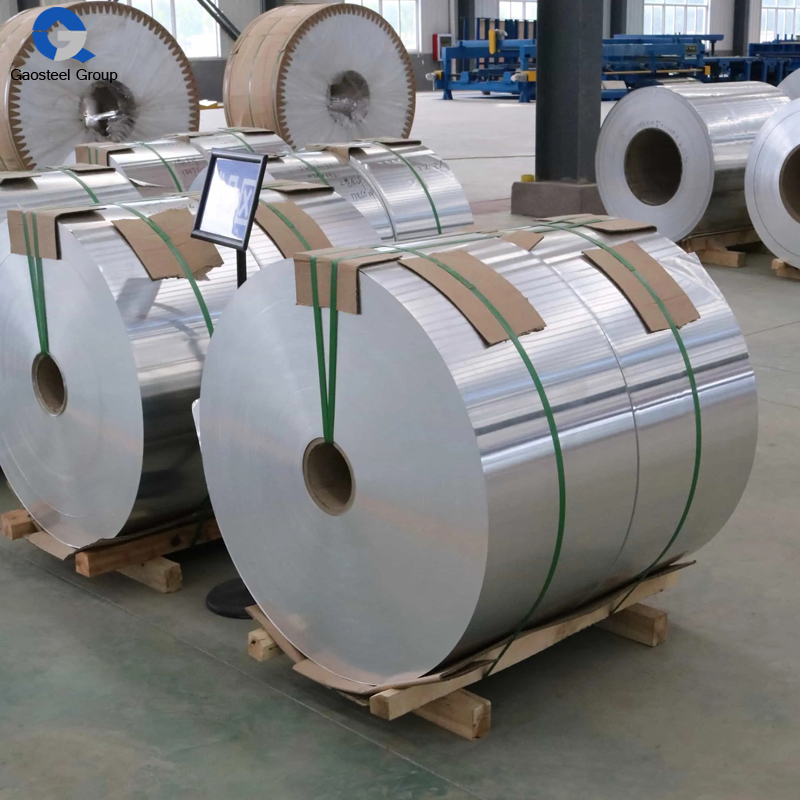
Exceptional Corrosion Resistance Driven by the Self-Healing Oxide Layer
How the Aluminum Oxide Film Forms and Repairs Itself
The reason aluminum plates resist corrosion so well is because they form their own protective oxide layer almost immediately when exposed to air. Oxygen touches the surface and creates this super thin, stable barrier made of aluminum oxide (Al2O3), usually around 5 to 10 nanometers thick. What makes this coating special is how it shields the actual metal underneath from water, oxygen, and various harsh substances. And here's what gets really interesting: if someone scratches or wears away this layer somehow, it actually fixes itself pretty quickly by grabbing oxygen from the surrounding air. We're talking about milliseconds for the repair process. That kind of built-in durability means aluminum plates work great without needing extra coatings across all sorts of settings like factories, buildings, and vehicles where materials need to stand up to tough conditions over time.
Real-World Performance in Marine, Chemical, and Humid Environments (5052 vs. 3003)
Critical Limitations: Pitting and Galvanic Corrosion in Mixed-Metal Assemblies
Aluminum plates have a protective coating, but they still face serious problems over time. One big issue is pitting corrosion. This happens when saltwater gets through the outer layer and starts eating away at specific spots. The damage gets worse year after year, especially on parts used in boats or coastal equipment. Without proper protection, these areas can lose 15 to 20% of their metal each year. An even bigger problem comes from galvanic corrosion. When aluminum touches materials like steel or copper while submerged in water or exposed to moisture, it creates chemical reactions that destroy the metal much faster than normal. Some tests show this process can eat away aluminum up to 100 times quicker than regular corrosion. To stop this from happening, engineers need to separate different metals using insulating materials or choose compatible materials from the start. Industry guidelines like ASTM G71 and ISO 8044 provide detailed recommendations for preventing these types of failures in real world applications.
Outstanding Strength-to-Weight Ratio Across Key Aluminum Plate Alloys
Yield and Tensile Strength Comparison: 6061-T6, 7075-T6, and Structural Steel
High-strength aluminum plate alloys deliver exceptional mechanical performance per unit mass. 7075-T6 aluminum plate achieves tensile strength exceeding 570 MPa while weighing just 2.81 g/cm³; nearly one-third the density of structural steel. This yields a strength-to-weight ratio approximately 2.5× greater than A36 steel. The advantage is evident in direct comparison:
| Material | Tensile Strength (MPa) | Yield Strength (MPa) | Density (g/cm³) |
|---|---|---|---|
| 6061-T6 Aluminum | 310 | 276 | 2.70 |
| 7075-T6 Aluminum | 572 | 503 | 2.81 |
| Structural Steel | 400–800 | 250–550 | 7.85 |
Steel still has greater overall strength, but 7075-T6 manages to reach about 80% of what standard structural steel can handle while weighing less than half as much. This makes it possible to build lighter structures that work just as well. The material gets its strength from a special mix of zinc and magnesium that stops tiny cracks from spreading through the metal. That's why aerospace engineers have been using it for decades now. Every single kilogram saved in aircraft construction translates into real money savings too, cutting down on yearly fuel costs somewhere between 0.75% and 1%.
Fatigue Resistance and Structural Efficiency in Transportation and Load-Bearing Frames
When it comes to how well it handles repeated stress over time, aluminum plates really stand out when compared to their weight. Commercial airplanes constructed using 7075-T6 aluminum plates can go through over 100 thousand pressurization cycles before showing any signs of wear. Car frames made from 6061-T6 material hold up surprisingly well too, resisting cracks even when subjected to vibrations higher than 50 Hz frequencies. The reason behind this impressive performance lies in the unique atomic arrangement of aluminum itself. Its face centered cubic structure allows it to absorb repeated stresses better than the body centered cubic arrangement found in steel, making aluminum an excellent choice for applications where long term reliability matters most.
When materials combine good fatigue resistance with light weight, they completely change how engineers approach structural design. For example, swapping out steel for aluminum plates in semi-truck trailers can reduce empty weight by around 35 percent. This means more cargo space without sacrificing durability since these trucks still last about 200,000 miles before needing major repairs. Looking at high speed rail systems, manufacturers have started using 6000 series aluminum for the bogie frames. This switch saves roughly 40% in weight compared to traditional steel construction. Even better, these components pass strict 30 year fatigue tests despite experiencing intense forces during operation that sometimes reach over 5 times normal gravity levels. The combination of reduced mass and proven strength makes aluminum an increasingly attractive option across various transportation sectors.
High Thermal and Electrical Conductivity for Demanding Industrial Systems
Heat Dissipation Performance in Power Electronics Enclosures Using 1100 and 6063 Aluminum Plate
When it comes to managing heat in power electronics enclosures, aluminum plates really shine because of their impressive thermal properties. The commercially pure 1100 alloy has about 222 W/mK conductivity, while 6063 sits around 201 W/mK. Compare that to stainless steel at just 16 W/mK and it's clear why aluminum wins hands down for getting rid of heat quickly from transformers, inverters and semiconductors. For areas where things get particularly hot, the 1100 alloy is the go-to choice. Meanwhile, engineers love working with 6063 because it extrudes so well, letting them create those complicated heat sinks with lots of surface area. Keeping components cool means they last longer and fail less often, which matters a lot in critical systems. Plus, aluminum doesn't weigh nearly as much as other materials would, cutting down on structural demands. And speaking of electricity, these same conductive properties make aluminum plates great for busbars and grounding too. Many manufacturers have switched from copper to aluminum in grounding applications simply because it resists corrosion better without sacrificing performance.
Fabrication Advantages and Trade-offs: Formability, Machinability, and Ductility
Bending Behavior and Springback by Temper: H32 vs. T6 Aluminum Plate
The way materials bend really depends on their tempering process. Take H32 tempered aluminum plates for instance they can be formed much easier than other types and don't spring back as much after being bent. After forming, these plates retain around 15 degrees of angle change, whereas standard T6 tempers tend to bounce back to about 40 degrees. Why does this happen? Well, the H32 has a special mix at the microscopic level it's been work hardened but still retains some softness from partial annealing. This unique combination lets manufacturers create tighter bends without worrying about cracks or splits in the material. On the flip side, T6 plates are definitely stronger, but they come with their own challenges. Because they recover more elastically when bent, fabricators often need to bend them extra 5 to 8 percent beyond what's needed just to get the right shape. This adds an extra layer of difficulty in making precise sheet metal components for various applications.
CNC Machining Efficiency with 6061-T651 Aluminum Plate: Chip Control and Tool Life
The 6061-T651 aluminum plate stands out when it comes to efficient CNC machining operations. What makes this alloy special? Well, the right mix of magnesium and silicon creates those short, brittle chips that actually clear out of the cutting area pretty well. This means less clogging issues during production runs and shops report around 30% fewer unexpected stoppages compared to working with softer metals. Plus, aluminum naturally conducts heat really well, taking away approximately 80% of the heat generated at the cutting edge. That kind of heat dissipation extends tool life significantly, roughly 2.5 times longer than what we see with regular untreated aluminum grades. Because of these characteristics, many manufacturers in aerospace and automotive sectors rely on 6061-T651 for mass producing parts where precision matters most and surface quality needs to stay consistent across thousands of units.
FAQ
How does aluminum repair its oxide layer?
Aluminum repairs its oxide layer by quickly absorbing oxygen from the air, usually within milliseconds, creating a new protective barrier.
What are the limitations of aluminum plates?
Aluminum plates can suffer from pitting and galvanic corrosion, especially when exposed to saltwater and when paired with dissimilar metals like steel or copper.
How does aluminum's strength-to-weight ratio compare to steel?
Aluminum alloys like 7075-T6 have a higher strength-to-weight ratio compared to structural steel, offering around 2.5 times greater efficiency while weighing significantly less.
Why is aluminum preferred in high thermal and electrical conductivity applications?
Aluminum is preferred for its high thermal and electrical conductivity, which effectively dissipates heat and reduces structural demands.