EN
EN



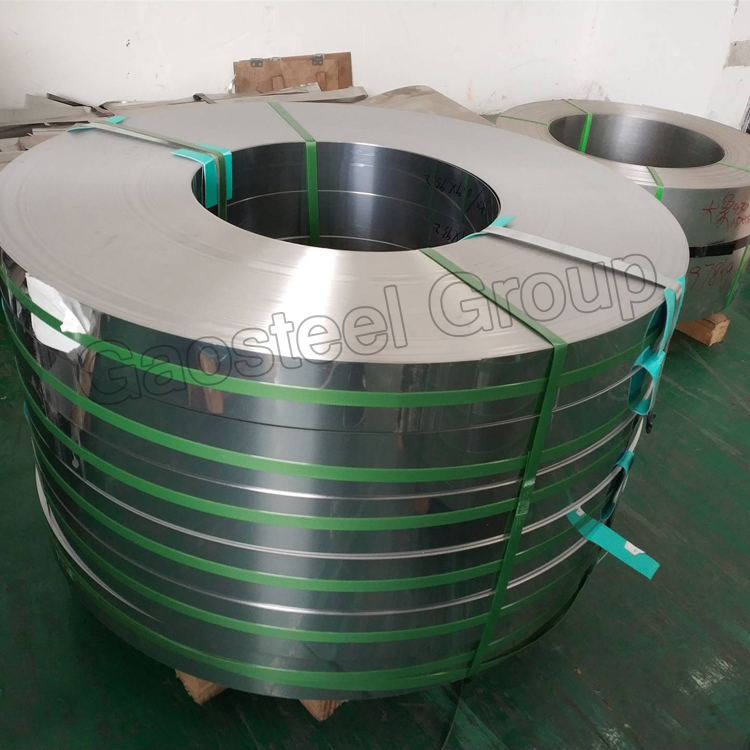
Why Humidity Accelerates Degradation of Galvanized Steel Coil
Electrochemical corrosion of the zinc coating under sustained high humidity and condensation
Moist air leads to electrochemical corrosion when it creates a conductive layer on galvanized steel coils. As moisture builds up, it mixes with carbon dioxide from the atmosphere to form a weak carbonic acid solution that allows ions to move around. This sets off two reactions at once: the zinc starts breaking down (Zn turning into Zn2+ plus electrons) while oxygen gets reduced at the same time (O2 combining with water to produce hydroxide ions). Things get worse when humidity goes over 60%, because then there's enough water constantly present to keep everything conducting electricity and speeding up how fast the protective coating wears away. What makes this different from regular corrosion is that it eats away at spots unevenly, which means parts of the steel become vulnerable faster than others. We see this happening much more quickly in places like Southeast Asia or coastal areas where high humidity is normal. Steel structures there might last only a few years instead of decades without proper maintenance and protection against these corrosive effects.
Wet storage stain (white rust): formation mechanism, reversibility, and impact on galvanized steel coil longevity
White rust happens when moisture gets trapped and stops the normal patina from forming properly. Instead, this leads to fast oxidation creating those flaky, weak zinc hydroxide deposits we all know too well. We typically see this problem developing where there's not enough oxygen and lots of humidity around metal surfaces. Think about coils stacked close together, products wrapped in plastic going through temperature changes, or materials stored somewhere with humidity over 70%. The big difference between regular zinc carbonate protection and white rust is that the latter actually grows bigger as it forms and then peels away, taking good zinc layers with it. Small amounts of buildup less than 2 microns thick might still respond to some basic cleaning methods and careful handling, but serious damage means permanent material loss. According to field reports from various industries, if left alone, white rust can reduce equipment lifespan anywhere between 30 to 50 percent especially near saltwater areas. Once the corrosion eats through more than 5% of the coating thickness, real trouble starts happening because new paths for corrosion develop right at the base metal level, no matter what kind of surface treatment gets applied later on.
Optimizing Galvanizing Quality for Humid-Climate Performance
Zinc coating thickness guidelines: aligning ISO 14713-3 and ASTM A653 data with humid-environment service expectations
The thickness of zinc coating plays a key role in how long galvanized steel coils will last in humid environments. Standards like ISO 14713-3 and ASTM A653 set the bar pretty high here. When coatings go beyond 85 micrometers compared to the usual range of 45 to 60 micrometers, they actually slow down zinc loss and can boost service life by around 40 to 60 percent at 90% relative humidity. Coastal areas present special challenges, which is why ASTM A653 Class G90 with at least 0.90 ounces per square foot of zinc has shown real effectiveness against salty air and moisture. Magnetic gauges are absolutely necessary to check these measurements properly. Sections that don't meet minimum coating requirements tend to break down three times quicker in tropical climates where corrosion is always a concern.
Key process controls—bath chemistry, temperature, and cooling—that strengthen coating integrity for galvanized steel coil
Three interdependent process parameters determine long-term resilience in humid environments:
- Bath chemistry: Maintaining 0.15–0.22% aluminum suppresses brittle intermetallic layer formation by 30%.
- Temperature control: Holding bath temperature at 450–455°C optimizes zinc-iron diffusion bonding without excessive alloy growth.
- Accelerated cooling: Quenching at 15–20°C/sec refines grain structure, improving moisture barrier efficacy and reducing delamination risk.
Collectively, these controls reduce white rust incidence by 78% during monsoon seasons, according to field studies.
Humidity-Specific Storage, Handling, and On-Site Protection of Galvanized Steel Coil
Effective management of galvanized steel coil in humid environments hinges on interrupting moisture accumulation before electrochemical degradation begins.
Preventing White Rust: RH Control (<60%), Ventilation, Separation, and Stacking Best Practices
White rust forms rapidly when condensation persists on coil surfaces—especially in confined, stagnant air. Prevention requires proactive environmental control:
- Maintain storage RH below 60% using dehumidifiers or climate-controlled facilities—this single measure disrupts the electrolytic pathway needed for zinc hydroxide formation.
- Ensure cross-ventilation between stacks using non-absorbent spacers; never place coils directly on concrete floors, which promote condensation.
- Separate coils with polyethylene or other non-hygroscopic materials to prevent moisture trapping at contact points.
- Stack vertically with uniform support to eliminate recessed areas where water can pool.
These practices preserve coating integrity and are proven to extend service life in high-humidity applications.
Monitoring, Inspection, and Timely Intervention to Extend Galvanized Steel Coil Lifespan
Non-destructive coating thickness verification and patina maturity assessment as predictive lifespan indicators
Magnetic induction gauges used for non-destructive testing give quick and reliable readings of zinc coating thickness, something that matters a lot when checking if products meet the ISO 1461 standard requiring at least 85 micrometers in humid environments. Looking at the patina visually also gives immediate information about condition. When zinc carbonate develops properly, it forms that distinctive grayish blue film across the surface, which means the protective layer is doing its job right. Experience from actual field work shows that coils maintaining both sufficient thickness above 85 micrometers and good patina development tend to survive nearly three times longer in tropical conditions compared to ones where the coating starts to fail. Regular checks every three months help catch signs of white rust early on so maintenance crews can address problems before they get bad enough to expose the underlying metal.
Frequently Asked Questions (FAQ)
- What causes white rust in galvanized steel coils? White rust is caused by moisture trapping on the coil surfaces, leading to the formation of flaky zinc hydroxide due to inadequate oxygen and high humidity.
- How can white rust be prevented? Maintaining storage relative humidity below 60%, ensuring cross-ventilation, separating coils with non-hygroscopic materials, and proper stacking are key preventive measures.
- What role does zinc coating thickness play in humid environments? Zinc coating thickness is crucial for longevity in humid climates; thicker coatings slow zinc loss and extend service life.
- How often should galvanized steel coil be inspected in humid environments? Regular inspection every three months can help detect early signs of white rust and prevent exposure of the underlying metal.