EN
EN



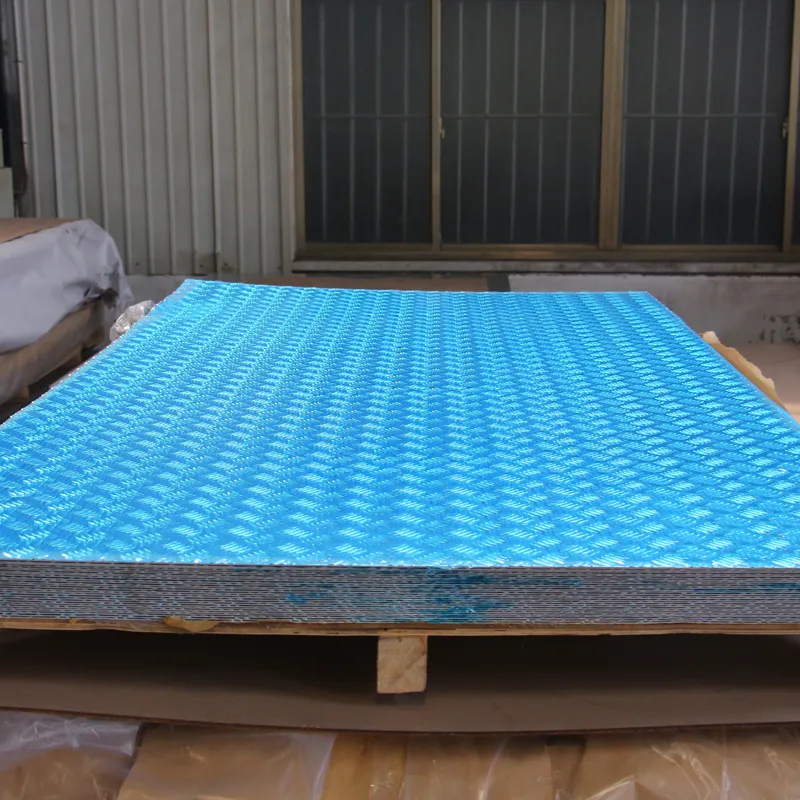
Why Aluminum Checker Plate Pattern Geometry Dictates Performance
The geometry of an aluminum checker plate—its pattern depth, spacing, and bar orientation—directly determines how the surface performs in real-world conditions. Unlike simple sheet metal, a well-designed pattern creates micro-texture that grips footwear and equipment while allowing water, oil, or debris to escape through the valleys. Selecting the wrong geometry can turn a safety asset into a hazard.
How Profile Depth, Pitch, and Bar Spacing Influence Traction and Debris Shedding
Profile depth (ridge height) and pitch (distance between ridges) set the baseline for slip resistance. A deeper profile—typically 1.5–3.0 mm—provides more aggressive traction on dry surfaces, but only if bar spacing is wide enough to clear mud, snow, or metal shavings. Tightly packed ridges tend to clog, reducing effective contact area. Field measurements show that a pitch of 6–10 mm with open channels improves debris shedding by up to 40% compared with dense patterns. For environments where liquids are present, a moderate depth with generous spacing outperforms high-ridge designs that trap contaminants.
The Role of Material Thickness and Alloy (e.g., 3003 vs. 5052) in Pattern Durability
Even an optimal pattern fails if the base material cannot withstand repeated impact or bending. Alloy 3003—the most common choice for general flooring—offers good formability but limited strength; a 0.125-inch (3.2 mm) plate can deform under heavy forklift traffic. Alloy 5052, with higher magnesium content, provides roughly 20% greater tensile strength and superior corrosion resistance in marine or chemical environments. Thicker plates (0.188 inch or greater) preserve pattern ridges longer under load, but the alloy choice ultimately governs how long the pattern retains its original shape. Specifying 5052 with a minimum thickness of 4.8 mm ensures the aluminum checker plate pattern stays effective for the life of the installation.
Slip Resistance Realities: Testing Data vs. Common Misconceptions
ASTM F2913-22 COF Results Across Five Standard Aluminum Checker Plate Patterns
Slip resistance is not subjective opinion but measurable physics. ASTM F2913-22 is the current industry standard for evaluating the dynamic coefficient of friction (DCOF) of flooring surfaces. When applied across five common aluminum checker plate patterns, real-world test results reveal clear performance tiers. Standard diamond patterns with moderate ridge heights consistently achieved DCOF values between 0.42 and 0.48 under wet conditions, while deep-ridge designs dropped below 0.35, indicating increased slip risk. Linear and low-profile patterns, often dismissed as less aggressive, recorded DCOF scores above 0.50 when tested with standard neoprene soles. These results disprove the assumption that taller ridges automatically equal safer footing.
Why Low-Profile Diamond and Linear Patterns Often Outperform High-Ridge Designs in Oily or Wet Environments
The misconception that higher ridges provide better traction stems from dry-surface intuition. In reality, oil, water, or grease create a thin hydrodynamic layer that reduces contact between footwear and raised bars. High-profile diamond and chevron designs trap fluid between their peaks, lifting the shoe sole and lowering friction. Low-profile diamond patterns (ridge heights under 1.5 mm) and linear grooved surfaces allow contaminants to drain laterally, maintaining mechanical interlock. ASTM F2913-22 data confirms that DCOF values in these patterns remain above the 0.42 threshold recognized by leading building safety codes—even when tested with water or light oil. For environments such as food processing plants or outdoor ramps, low-profile surface geometry delivers consistent slip protection where high-ridge designs fail.
Matching Aluminum Checker Plate Patterns to Key Applications
Ramps & Walkways: Prioritizing Consistent Traction and ADA-Compliant Surface Roughness
For ramps and walkways, the primary objective is to provide reliable, consistent traction in both dry and wet conditions. Patterns with moderate profile heights and tightly spaced bars—such as the diamond or raised-lug designs—offer a high coefficient of friction without creating tripping hazards. The Americans with Disabilities Act (ADA) recommends a surface roughness (Ra) between 1.0 and 2.0 mm to ensure wheelchair stability and pedestrian safety. A low-profile linear pattern achieves this by shedding water quickly while maintaining grip, making it ideal for public entrances and pedestrian bridges.
Industrial Floors & Loading Docks: Balancing Load Capacity, Cleanability, and Worker Fatigue
In industrial settings like factory aisles and loading docks, the chosen pattern must withstand heavy foot traffic and occasional equipment loads while remaining easy to clean. Patterns with open channels—such as the five-bar or flat-top designs—resist oil buildup and allow debris to drain, reducing slip risks and cleaning time. However, deeper ridges can increase rolling resistance of carts and contribute to worker fatigue over long shifts. A moderate profile (3–4 mm height) offers a compromise: provides adequate traction for safety, yet minimizes discomfort. Typical load ratings for 1/4-inch thick 5052 aluminum checker plate exceed 2000 psi, satisfying most warehouse demands.
FAQ
What is the optimal profile depth and pitch for aluminum checker plates?
The optimal profile depth is typically 1.5–3.0 mm, with a pitch of 6–10 mm. This combination provides effective traction and improves debris shedding by up to 40% compared to dense patterns.
Which aluminum alloy is better for durability: 3003 or 5052?
Alloy 5052 is better for durability as it has a higher magnesium content, providing superior tensile strength and corrosion resistance compared to 3003.
Do higher ridges on checker plates guarantee better slip resistance?
No, higher ridges can actually trap contaminants like oil or water, reducing friction. Low-profile patterns with ridge heights under 1.5 mm often provide better slip resistance in wet or oily conditions.
What patterns are best suited for ramps and walkways?
Moderate-profile patterns, such as diamond or raised-lug designs, are ideal for ramps and walkways as they provide consistent traction and meet ADA surface roughness requirements.
How does aluminum checker plate thickness affect its durability?
Thicker plates, such as those with a minimum thickness of 4.8 mm, preserve pattern ridges longer under load, making the surface more durable in high-impact or heavy traffic areas.
Table of Contents
- Why Aluminum Checker Plate Pattern Geometry Dictates Performance
- Slip Resistance Realities: Testing Data vs. Common Misconceptions
- Matching Aluminum Checker Plate Patterns to Key Applications
-
FAQ
- What is the optimal profile depth and pitch for aluminum checker plates?
- Which aluminum alloy is better for durability: 3003 or 5052?
- Do higher ridges on checker plates guarantee better slip resistance?
- What patterns are best suited for ramps and walkways?
- How does aluminum checker plate thickness affect its durability?