EN
EN



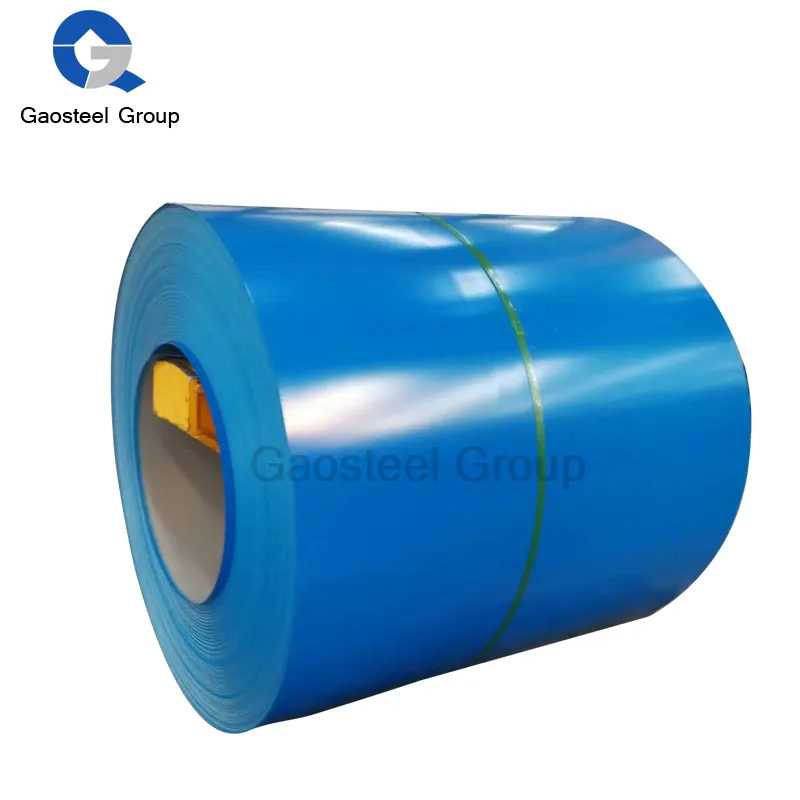
What Makes PPGI Coil Different from Galvanized Steel
PPGI coil, short for pre-painted galvanized iron coil, combines the corrosion resistance of hot-dip galvanized steel with a factory-applied baked-on paint finish. Unlike plain galvanized coil that requires separate painting after installation, PPGI coil arrives fully finished and ready for immediate use. The paint layer bonds to the zinc coating at high temperature during manufacturing, creating a dual-layer barrier against rust, UV degradation, and chemical exposure. For roofing buyers sourcing materials in bulk, PPGI coil eliminates the secondary painting step, which reduces labor costs and shortens project timelines significantly. Every PPGI coil produced at Gaosteel Group undergoes a continuous coil coating process that ensures uniform film thickness across the entire coil length, a level of consistency that field-applied paint cannot reliably achieve.
Coating Thickness and Resin Types That Drive Durability
The long-term performance of PPGI coil in roofing depends on two critical factors: coating thickness and resin chemistry. Gaosteel Group manufactures PPGI coil with a top coat of 15 to 25 micrometers plus a 5 micrometer primer, and a back coat of 5 to 10 micrometers. Buyers can select from four resin systems depending on the operating environment. PE polyester resin offers general-purpose protection at the lowest cost, suitable for interior panels and mild climate roofing. SMP silicone-modified polyester provides improved heat resistance and UV stability, making PPGI coil with SMP coating a practical choice for exterior roofing in temperate zones. HDP high-durable polyester resists humidity and salt spray, ideal for coastal and high-rainfall roofing projects where moisture exposure accelerates coating breakdown. PVDF polyvinylidene fluoride delivers maximum weatherability, maintaining color and gloss for over 15 years in the most demanding industrial and marine environments. Selecting the right resin for your climate zone directly impacts the maintenance cost of a roofing system built with PPGI coil, and an informed resin choice can reduce repaint cycles by half compared with an under-specified coating.
How PPGI Coil Performs in Real Roofing Applications
PPGI coil is manufactured in thicknesses from 0.12mm to 2.0mm and widths from 600mm to 1250mm, accommodating everything from lightweight residential panels to heavy-duty industrial cladding. The product conforms to ASTM, JIS, and EN standards, giving international buyers assurance that dimensional tolerances and mechanical properties meet globally recognized benchmarks. Roofing contractors consistently report that PPGI coil offers reliable color consistency across large batch orders, resistance to surface scratching during handling and installation, and stable gloss retention under prolonged sun exposure. Whether the application is a warehouse roof in a dry continental climate or a tropical processing plant enclosure, PPGI coil specifications can be matched to the structural load, span requirements, and environmental severity of the project.
PPGI Coil vs Alternative Roofing Materials
When compared with post-painted galvanized steel, bare galvanized coil, and aluminum roofing sheets, PPGI coil offers a balanced combination of cost, durability, and visual appeal. Post-painted galvanized roofing requires on-site painting, which introduces coating variability and delays the installation schedule. Bare galvanized coil provides corrosion resistance but lacks the color options and UV protection that PPGI coil delivers through its factory-applied finish. Aluminum roofing sheets resist corrosion naturally but carry a higher material cost per kilogram and lower structural rigidity at equivalent thicknesses. For most mid-range commercial and industrial roofing projects, PPGI coil with SMP or HDP resin fills the gap between economy and premium performance, offering a pre-finished surface at a competitive price point with a documented service life of 10 to 18 years depending on resin selection.
Cost Efficiency and Maintenance Savings Over Time
Factory-applied coating on PPGI coil provides measurable economic advantages over the building lifecycle. The baked-on finish bonds more strongly to the zinc substrate than any field-applied paint, which reduces the frequency and cost of repaint cycles over the roof service life. Procurement managers evaluating total cost of ownership typically find that PPGI coil lowers maintenance expenditure by 30 to 40 percent over a 15-year period when the appropriate resin type is specified for the operating environment. Additionally, PPGI coil from ISO 9001-certified producers such as Gaosteel Group comes with consistent quality documentation including mill test certificates, which simplifies project compliance audits and eliminates the risk of batch-to-batch color or thickness variation that can disrupt roofing installation schedules.
Quality Standards and Supplier Verification Checklist
Before committing to a PPGI coil order for roofing, buyers should verify supplier credentials systematically. Confirm that the manufacturer holds ISO 9001 and CE certifications. Request mill test certificates for each shipment that document coating thickness, resin type, and base metal grade. Gaosteel Group, with 15 years of manufacturing experience and Alibaba Golden Supplier recognition, provides traceable production records and supports third-party pre-shipment inspection. It is recommended to order samples of the specific PPGI coil grade and resin combination intended for the project, perform a cross-hatch adhesion test on the coating, and verify that color and gloss match across the sample lot. Checking that declared thickness, width, and coating specifications comply with ASTM, JIS, or EN tolerance ranges further protects the buyer against out-of-specification deliveries that could compromise roofing installation quality.
Q: What coating thickness should I choose for roofing PPGI coil?
A: For standard roofing applications, a top coat of 20 to 25 micrometers with a 5 micrometer primer provides reliable protection. In coastal or high-UV regions, request PVDF resin with the maximum available coating thickness for extended service life.
Q: Which resin type offers the best UV resistance for PPGI coil roofing?
A: PVDF resin delivers the highest UV resistance among the four standard options, retaining color and gloss for over 15 years in direct sun exposure. SMP resin is a cost-effective alternative with good UV performance for moderate climate zones.
Q: How do I verify PPGI coil quality before placing a bulk order?
A: Request mill test certificates and ISO 9001 documentation from the manufacturer. Perform cross-hatch adhesion and gloss retention tests on sample sheets. Confirm that thickness, width, and coating specifications match declared values per ASTM, JIS, or EN standards.
Table of Contents
- What Makes PPGI Coil Different from Galvanized Steel
- Coating Thickness and Resin Types That Drive Durability
- How PPGI Coil Performs in Real Roofing Applications
- PPGI Coil vs Alternative Roofing Materials
- Cost Efficiency and Maintenance Savings Over Time
- Quality Standards and Supplier Verification Checklist