EN
EN



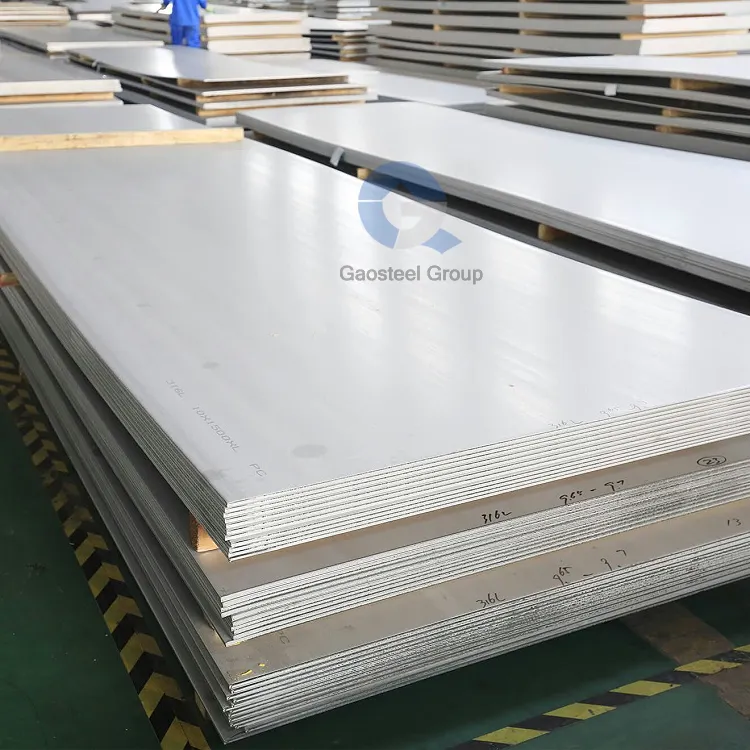
The Evolution and Core Materials of Modern Roofing Sheets
From Thatch to Steel: A Historical Shift in Roofing Sheet Materials
Over time, roofing sheets moved away from natural stuff like thatch and wood toward more advanced materials that could handle what buildings need today. This big change happened around the same time as the industrial revolution when manufacturers started making steel roofing sheets on a large scale by the end of the 1800s. The first metal options offered something really important back then fire protection and lasted much longer than their wooden counterparts, which is why they became so popular in city buildings. Records show that by 1910, almost 4 out of 10 new commercial roofs were made of steel instead of those old flammable materials, especially in crowded urban neighborhoods where safety was a major concern.
Industrial Innovations Driving Roofing Sheet Advancements
Three breakthroughs transformed roofing sheet performance:
- Continuous galvanization (1840s): Zinc coatings boosted steel’s corrosion resistance by 400%
- PVDF polymer coatings (1970s): Improved color retention under UV exposure by 65% versus traditional paints
- Automated profiling systems: Enabled precision corrugation patterns enhancing wind resistance up to 150 mph
These innovations allowed metal roofing sheets to withstand extreme weather cycles while maintaining structural integrity.
Key Materials in Today’s Roofing Sheet Production: Steel, Aluminum, and Composite Solutions
Contemporary manufacturing focuses on three core materials:
| Material | Strength | Weight | Best Use Case |
|---|---|---|---|
| Steel | 550 MPa yield | 5.2 kg/m² | High-snow-load regions |
| Aluminum | 276 MPa yield | 2.7 kg/m² | Coastal environments |
| Composites | Variable | 3.1 kg/m² | Energy-efficient builds |
A 2023 materials market study shows composites gaining 22% market share in residential projects due to integrated insulation properties. Aluminum roofing sheets now dominate 58% of new coastal developments, leveraging natural saltwater corrosion resistance.
Durability Essentials: Engineering High-Performance Roofing Sheets
Impact and Weather Resistance: UV, Rain, and Wind in Roofing Sheet Design
Today's roofing sheets have come a long way in handling harsh weather conditions. Recent material improvements have cut down on weather related problems by around 42%, according to a recent study from the Building Materials sector in 2023. Many sheets now feature UV resistant polymer coatings that stop them from fading or warping when exposed to sunlight. The surfaces also get special hydrophobic treatments which help water run off much faster than older models did, making a difference of about 35% in drainage performance. For those concerned about strong winds, premium quality galvanized steel options can handle gusts over 140 miles per hour, which actually goes beyond what most local building regulations require these days.
Corrosion Protection and Advanced Coating Technologies for Metal Roofing Sheets
Five-layer coating systems combining zinc-aluminum alloys and PVDF (Polyvinylidene Fluoride) finishes dominate corrosion prevention, achieving 25+ years of salt-spray resistance in 2024 material trials. Electrocoating techniques now create seamless protective barriers on metal roofing sheets, reducing edge corrosion — historically responsible for 68% of warranty claims.
Performance in Extreme Climates: Case Study of Roofing Sheets in Coastal Zones
A 10-year field analysis of coastal installations revealed:
| Material | Degradation Rate | Maintenance Frequency |
|---|---|---|
| Standard Galvanized | 4.7% annually | Biennial recoating |
| Aluminum-Zinc Alloy | 1.2% annually | Quadrennial inspection |
| Polymer-Composite | 0.8% annually | Decadal assessment |
This data underscores how alloy composition and surface treatments combat salt spray and humidity.
Balancing Lightweight Design with Structural Strength in Roofing Sheets
New cold-formed steel profiles achieve 230 MPa yield strength at just 3.2 kg/m² — a 30% weight-to-strength improvement since 2020. Fiber-reinforced polymers now enable 18-meter single-span roofing sheets without intermediate supports, revolutionizing warehouse and industrial applications.
Expected Lifespan and Maintenance Needs of Premium Roofing Sheet Solutions
Properly installed premium metal roofing sheets demonstrate 40—50 year lifespans with three essential maintenance practices:
- Biennial fastener torque checks to prevent wind uplift
- Quadrennial coating integrity inspections using infrared imaging
- Annual debris removal to maintain drainage efficiency
Manufacturers report 92% of premature failures originate from incorrect installation rather than material defects, emphasizing the need for certified installation crews.
Design Flexibility and Aesthetic Innovation in Roofing Sheets
Color, Texture, and Profile Options Enhancing Architectural Appeal
Today's roofing sheets bring a whole new level of design flexibility to buildings. Steel and aluminum versions come in over a dozen standard colors plus they can be matched to pretty much any shade a designer wants. The textures available range from simple matte finishes all the way to realistic woodgrain patterns, thanks to some pretty advanced coating tech these days. These materials blend right in with brick walls, stone exteriors, or even those sleek modern facades architects love so much. Most builders are going with standing seam profiles nowadays. Consumer surveys from last year showed people found them 34% more appealing than old fashioned corrugated sheets, which makes sense when looking at how clean and professional they appear on rooftops.
Customization Trends: Matching Roofing Sheets to Regional and Modern Architectural Styles
These days manufacturers are customizing their roofing sheets based on local weather conditions and architectural styles. Builders along the coast have started going for marine grade aluminum with those pretty Bahama blue colors, whereas city developers tend to choose thin profile steel panels in dark charcoal shades or metallic finishes. What's interesting is how this regional approach also affects structural features. Take Mediterranean style barrel roofs for instance, many of these now come with built in solar channels that combine traditional looks with green technology. Makes sense really, since customers want both good looks and practical benefits from their building materials nowadays.
Consumer Insights: 78% of Homeowners Prioritize Aesthetics in Roofing Sheet Choice
A 2023 Homeowner Preference Report revealed 78% of respondents rank visual harmony with their property’s architecture as the top roofing sheet selection factor–a 22% increase since 2018. This aesthetic prioritization even outweighed pricing considerations for 63% of participants, signaling a market shift toward design-driven durability.
Sustainability, Efficiency, and Lifecycle Value of Roofing Sheets
Eco-Friendly Manufacturing: Recyclable Materials and Sustainable Practices in Roofing Sheet Production
Today's roofing sheets are packed with recycled stuff like never before. Aluminum and steel versions typically include anywhere from 25% all the way up to almost 95% recycled material, as per some recent data from the Circular Materials Report in 2023. Most manufacturers these days have gone for closed loop systems where they can grab back about 97% of what gets wasted during production. And there's also this shift toward water based coatings instead of those old solvent ones, cutting down on bad air stuff by around two thirds according to ECMA numbers last year. All these changes fit right into the circular economy idea we keep hearing about. The good news is that after sitting on buildings for 40 to maybe 70 years, roughly nine out of ten metal roof panels can still be tossed back into the recycling stream rather than ending up in landfills.
Energy Efficiency Through Solar-Reflective Roofing Sheet Surfaces
New pigments used in roofing sheets can bounce back around 85% of sunlight, which cuts down attic temps by about 18 degrees Fahrenheit and saves roughly 23% on cooling bills according to some recent studies from CRRC in 2023. When it comes to polycarbonate options with those double or triple wall designs, they hit U-values around 0.28, meaning they beat old school materials when it comes to keeping buildings at comfortable temperatures by nearly a third. What's really interesting though is how manufacturers are starting to mix all these features together with hidden solar panels built right into the roof itself. These combined systems actually manage to cover about 40% of what a typical building needs for power consumption overall.
How Green Building Standards Are Shaping the Future of Roofing Sheet Design
LEED v4.1 and BREEAM Outstanding certifications now mandate minimum 30% recycled content in roofing materials, driving innovations like:
- Bio-based polymers derived from agricultural waste
- Photocatalytic titanium coatings that neutralize airborne pollutants
- 3D-printed roofing sheets with optimized structural geometries
These requirements have spurred a 212% increase in solar-reflective roofing installations since 2020 (USGBC 2023).
Long-Term ROI: Cost-Effectiveness of Durable and Energy-Saving Roofing Sheets
The 60-year lifecycle cost of premium metal roofing sheets proves 28% lower than asphalt alternatives when factoring in energy savings and zero replacement needs (NAHB 2023). Insurance providers offer 15% premium discounts for homes using impact-resistant Class 4 rated roofing sheets, while solar-ready designs increase property values by 4.1% (NREL 2023).
FAQs
What are the key benefits of modern metal roofing sheets?
Modern metal roofing sheets offer benefits like enhanced durability, fire resistance, reduced maintenance needs, and improved energy efficiency, making them ideal for various environmental conditions.
Why is aluminum preferred for coastal environments?
Aluminum is favored for coastal areas due to its natural resistance to saltwater corrosion, making it suitable for challenging maritime environments.
How do roofing materials contribute to energy efficiency?
Roofing materials, especially those with solar-reflective coatings, help reduce heat absorption, lower attic temperatures, and consequently cut down on cooling costs, enhancing a building's overall energy efficiency.
What role does sustainability play in the roofing industry?
Sustainability is central, with manufacturers adopting eco-friendly processes using recycled materials, water-based coatings, and closed-loop production systems to reduce environmental impact.
Table of Contents
- The Evolution and Core Materials of Modern Roofing Sheets
-
Durability Essentials: Engineering High-Performance Roofing Sheets
- Impact and Weather Resistance: UV, Rain, and Wind in Roofing Sheet Design
- Corrosion Protection and Advanced Coating Technologies for Metal Roofing Sheets
- Performance in Extreme Climates: Case Study of Roofing Sheets in Coastal Zones
- Balancing Lightweight Design with Structural Strength in Roofing Sheets
- Expected Lifespan and Maintenance Needs of Premium Roofing Sheet Solutions
- Design Flexibility and Aesthetic Innovation in Roofing Sheets
-
Sustainability, Efficiency, and Lifecycle Value of Roofing Sheets
- Eco-Friendly Manufacturing: Recyclable Materials and Sustainable Practices in Roofing Sheet Production
- Energy Efficiency Through Solar-Reflective Roofing Sheet Surfaces
- How Green Building Standards Are Shaping the Future of Roofing Sheet Design
- Long-Term ROI: Cost-Effectiveness of Durable and Energy-Saving Roofing Sheets
- FAQs