EN
EN



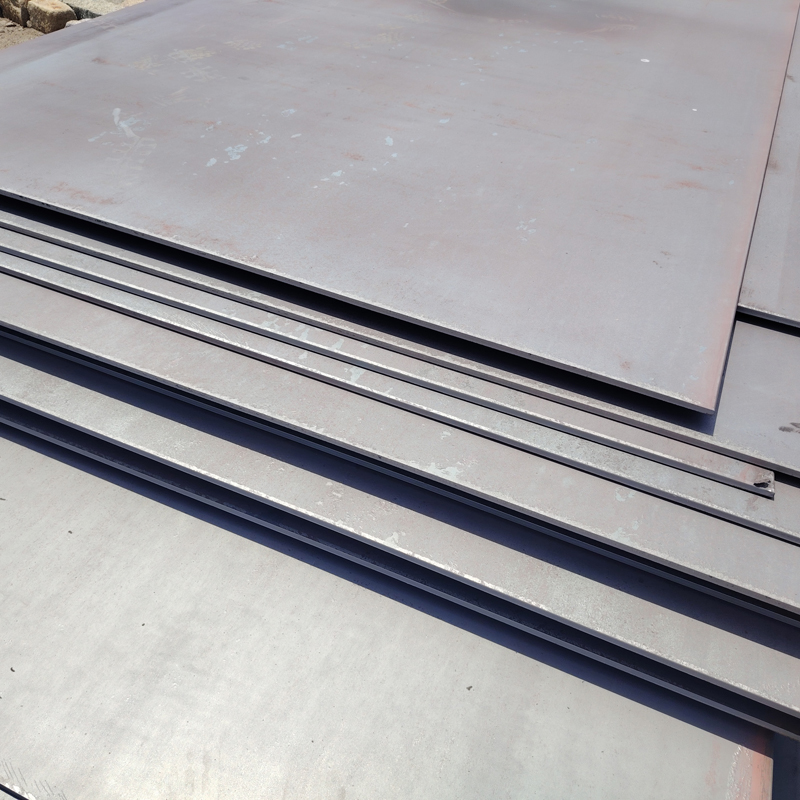
Unmatched Corrosion Resistance for Long-Term Reliability
How the Zinc Coating Provides Cathodic Protection and Barrier Defense
Galvanized steel coils offer outstanding protection against rust thanks to two main defenses working together. First, there's the zinc coating itself which acts like a shield against moisture, oxygen, and other things that cause corrosion. But what really sets galvanized steel apart is something called cathodic protection. Zinc has this property where it naturally wants to corrode before steel does because of its different electrical properties. When the steel gets scratched during cutting or fabrication, the exposed area starts to rust, but the zinc takes the hit instead. It basically sacrifices itself to protect the steel underneath. This means even if the surface gets damaged, the structure stays intact for much longer compared to just painting or coating the metal. That's why so many industries rely on galvanized materials for their longevity and reliability.
Salt Spray & Real-World Exposure Data: Galvanized Steel Coil vs. Alternatives
Tests following the ASTM B117 standard show that galvanized steel coils can resist red rust for about 2 to 3 times longer compared to regular painted carbon steel. Real world results back this up too. Structures along coastlines usually last between 20 and 25 years before needing attention, whereas those in cities or industrial areas sometimes go past 40 years because there are fewer chlorides in the air and more stable weather conditions. Painted surfaces tell a different story though. They generally need repainting somewhere around every 5 to 7 years. Stainless steel might stand up well against corrosion in most situations, but it doesn't provide that protective layer we get with galvanization. Plus, stainless costs anywhere from 3 to 5 times what galvanized steel does. All these facts point to why so many builders choose galvanized steel when they want something that lasts long, works reliably without constant maintenance, and makes financial sense over time.
Proven Lifecycle Cost Savings and Low-Maintenance Durability
20–40 Year Service Life Across Urban, Coastal, and Industrial Environments
Galvanized steel coil has been shown to last anywhere from 20 to 40 years in different environments thanks to that protective zinc coating on both sides. For example, near the ocean it holds up for about 20 to 25 years before showing signs of wear. But if installed in cities or factories where there's not so much salt in the air, these coils often go well beyond 40 years without major issues. The rate at which they corrode is pretty slow too around half a millimeter each year in most factory areas. That means no need to replace them regularly like other materials might require. And this long lasting nature cuts down on how often workers need to check or fix things, saving money over time. Particularly important when talking about big projects where stopping operations for repairs can cost upwards of fifty thousand dollars a single day.
ROI Comparison: Galvanized Steel Coil vs. Painted or Stainless Steel Solutions
Galvanized steel coil delivers superior total cost of ownership through moderate upfront investment and near-zero maintenance. Painted systems demand full recoating every 5–7 years—at 60–80% of original installation cost—while stainless steel carries 200–300% higher material costs and adds 15–20% in fabrication labor due to welding complexity and handling requirements.
| Cost Factor | Galvanized Steel Coil | Painted Steel | Stainless Steel |
|---|---|---|---|
| Initial Material Cost | Base | −30% | +250% |
| 30-Year Maintenance Cost | Negligible | +300% | +40% |
| Installation Complexity | Low | Medium | High |
Lifecycle analyses show 30–40% savings versus painted steel and 20–25% advantages over stainless alternatives over 30 years. These gains stem from eliminated recoating cycles, reduced equipment downtime (e.g., $740,000/hour in processing plants, per Ponemon Institute 2023), and zero monitoring or active maintenance—freeing engineering staff for value-driving tasks.
Broad Application Flexibility in Construction and Manufacturing
Structural Framing, Roofing, HVAC Ductwork, and Automotive Components
Galvanized steel coil gets picked by lots of industries because it stands up against rust pretty well while still being easy to shape and strong enough for serious structural work. When buildings go up, this material holds together commercial frames, bridge structures, and even exterior walls that have to survive all sorts of weather conditions over many years without falling apart. For roofs, galvanized steel creates surfaces that keep water out and don't break down under sunlight exposure or temperature changes day after day. The HVAC industry finds value in how smooth these coils are and their ability to resist germs growing on them, which helps keep the air inside buildings cleaner. Car makers rely on galvanized steel for parts like frames and outer panels since they need something tough yet light enough, plus good at resisting dents and working well when welded together. What makes this material so versatile is that it can be pulled into complex shapes and bent consistently, making it suitable for everything from special building designs near saltwater areas to mass production lines churning out thousands of vehicles each month.
Fabrication-Friendly Performance: Bending, Cutting, and Welding Galvanized Steel Coil
Welding Guidelines and Mitigating Hydrogen Embrittlement Risks
Galvanized steel coil welding needs careful attention to certain practices if we want to avoid hydrogen embrittlement, which basically happens when hydrogen gets absorbed during the cooling process after welding. The standards from AWS D1.3 and ISO 14713-2 recommend several key steps. First, stick with low-hydrogen electrodes like E7018. Preheating the metal between 200 and 250 degrees Fahrenheit helps remove surface moisture that could cause problems later. Good ventilation is also critical since zinc oxide fumes can be hazardous to workers' health. Keep moving steadily along the weld bead too fast or too slow can lead to hot spots that ruin the coating's hold on the metal. After completing the weld, baking it at around 400 degrees for about an hour actually helps push out any trapped hydrogen. This not only makes the metal more flexible again but keeps those important corrosion protection properties intact. Following all these steps properly means the finished welds will perform just as well mechanically and resist rusting as the original steel did before cutting and shaping.
FAQ Section
Why is galvanized steel preferred in construction and manufacturing?
Galvanized steel is preferred because of its excellent corrosion resistance, durability, and cost-effectiveness. It has a long service life, reducing the need for frequent maintenance or replacement. Additionally, its versatility allows it to be used across various applications like structural framing, roofing, and automotive components.
How does zinc coating protect galvanized steel?
Zinc coating protects galvanized steel both physically and chemically. Physically, it acts as a barrier against moisture and oxygen. Chemically, it provides cathodic protection, where zinc corrodes preferentially, protecting the underlying steel.
What are the costs associated with galvanized steel compared to stainless and painted steel?
Although galvanized steel has a moderate upfront cost, it provides substantial savings in long-term maintenance. Painted steel requires frequent recoating, and stainless steel, while durable, is significantly more expensive in both material and fabrication costs.