EN
EN



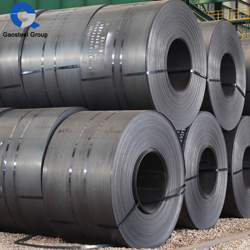
Stainless Steel Strip in Architecture and Infrastructure
Facade Systems and Public Transit Canopies: Strength, Formability, and Weather Resistance
Stainless steel strips are making waves in facade systems and transit canopies because they offer amazing strength despite being relatively lightweight. These materials hold up under all sorts of stressors like heavy winds, snow accumulation, and even earthquakes while spanning impressive distances. What makes stainless steel really stand out is how easily it can be shaped into intricate curves and bends. Architects love working with it for those eye-catching building exteriors and streamlined roof designs over train stations. The 316 grade particularly stands up well against corrosion problems that plague other metals, especially near coastlines where salt air eats away at surfaces or in industrial areas filled with harmful pollutants. Buildings constructed with this material keep looking good for years without needing much upkeep. Studies show that over time, these structures actually save between 30 to 50 percent on maintenance costs when compared to buildings using painted or coated alternatives, which tend to degrade faster and need constant touch-ups.
Hygienic and Durable Components: Handrails, Escalator Parts, and Decorative Cladding
Stainless steel strips work really well in busy civic spaces where people constantly touch surfaces. The material's smooth surface stops germs from sticking to things like escalator handles, stair rails, and edge guards around platforms. This helps city planners keep their facilities up to code for cleanliness in crowded areas. When it comes to building exteriors, these metal panels stay looking good even after years of sun beating down on them, acid rain washing over, and dust settling everywhere. Cities such as Hamburg and Singapore have had these installations for quarter centuries now with almost no signs of wear showing through. Plus there are lots of different looks available too mirror finish, brushed textures, embossed patterns, and even colorful PVD coatings that let designers match the practical needs with the visual appeal of buildings, inside spaces, and those little waiting shelters we all rely on during bad weather.
Stainless Steel Strip for Medical Devices and Healthcare Infrastructure
Precision-Cut 316L Stainless Steel Strip in Surgical Tools and Implantable Components
When it comes to making surgical tools and medical implants, most professionals turn to medical grade 316L stainless steel strip. Why? Because this particular alloy strikes just the right balance between being safe inside the body, resisting corrosion, and working well during manufacturing processes. What makes 316L special is its very low carbon content, below 0.03%, which means it won't develop sensitization issues when welded or heated. This property keeps the metal from corroding between grain boundaries after countless sterilizations in hospitals. Manufacturers often use laser cutting and photochemical methods to get those incredibly precise dimensions needed for things like scalpel edges, bone fixation parts, and heart stents. Around 92% of these critical components depend on 316L because it holds up under stress and works safely during MRI scans. The presence of about 2 to 3 percent molybdenum gives extra protection against pitting caused by salt-like substances found naturally in bodily fluids. Plus, this alloy meets all the requirements set out in ISO 5832-1 standards for implant materials. Doctors also apply surface treatments called passivation that make these devices even more resistant to corrosion, sometimes boosting their durability by as much as 40% during standard autoclaving procedures.
Sterilization-Ready Surfaces and FDA/ISO Compliance in Pharma Processing Equipment
Equipment used in pharmaceutical processing needs stainless steel strips capable of withstanding thorough cleaning, sterilization processes, and meeting all necessary regulatory standards. When electropolished, 316L stainless steel achieves surface roughness (Ra) readings under 0.5 microns. This smooth finish gets rid of tiny crevices where harmful biofilms might start growing. Such surfaces meet FDA regulations outlined in 21 CFR Part 211 regarding cleanability requirements for things like tablet compression dies, vial filling nozzles, and various fluid handling components. The material holds up well during common sterilization methods including gamma irradiation, vaporized hydrogen peroxide treatments, and steam-in-place cycles without showing any signs of surface damage or releasing unwanted substances. Production facilities certified under ISO 13485 standards track every step from raw material composition right through to final product specifications. They perform tests at each batch level specifically looking for resistance against chloride stress corrosion cracking issues. For water-for-injection systems, 316L stainless steel stays chemically neutral and doesn't react with surrounding materials, which helps prevent contamination risks that might affect drug quality. Industry validation procedures typically specify surface energy levels should stay below 34 dynes per centimeter to make sure everything drains properly and dries completely after cleaning. This is really important for maintaining reliable aseptic conditions throughout manufacturing operations.
Stainless Steel Strip in Food, Beverage, and Water Treatment Systems
Sanitary Conveyor Belts, Seamless Tank Linings, and NSF-Compliant Fittings
Stainless steel strip plays a vital role in keeping processing facilities clean and safe, especially in the food, drink, and water treatment industries. The material's smooth, rust-proof surface stops bacteria from growing on it and can handle all sorts of harsh conditions like citrus juice splashes, vinegar exposure, strong cleaning chemicals such as sodium hydroxide, and even intense steam cleaning cycles. That's why we see it so often on fast-moving conveyor belts and in those modular production lines that need to stay spotless. When welded together, these strips create completely smooth tank interiors for things like milk storage tanks, beer brewing equipment, and chemical mixing vessels used in medicine manufacturing. These seamless surfaces eliminate hiding spots for bad microbes, which is super important when following health regulations like HACCP guidelines, FDA rules for food plants, and European Union standards for food contact materials. For water treatment plants, there are special fittings made from shaped stainless steel strips that won't leak and resist chlorine damage, making them perfect for both city water purification systems and smaller filtration units at individual taps. The really fancy electro-polishing process creates surfaces so smooth they measure below 0.8 microns roughness, way better than what most industry standards require. This means fewer places for contaminants to stick around, saving time on cleaning and testing procedures while still meeting international food safety requirements everywhere from small bakeries to large industrial kitchens.
FAQ
What are the benefits of using stainless steel strips in architecture?
Stainless steel strips offer strength, formability, and weather resistance, making them ideal for facades and transit canopies. They are lightweight yet sturdy against stressors such as winds and earthquakes, and architecturally versatile due to their ability to be shaped into intricate curves and bends.
How do stainless steel strips improve hygiene in public spaces?
Stainless steel strips have smooth surfaces that prevent germs from adhering, making them perfect for handrails, escalator parts, and decorative cladding in busy civic areas. This helps maintain cleanliness and compliance with hygiene standards.
Why is 316L stainless steel preferred in medical devices?
316L stainless steel is preferred for its low carbon content, which minimizes sensitization during heating, offering corrosion resistance after sterilization. It is suitable for surgical tools and implants due to its safety within the body and compatibility with manufacturing processes.
How does stainless steel contribute to food and beverage processing safety?
Stainless steel strips offer rust-proof surfaces that prevent bacterial growth and withstand harsh conditions, ensuring facilities remain clean and safe. These strips are common in conveyor belts, tank linings, and fittings in processing areas due to their durability and compliance with safety standards.