EN
EN



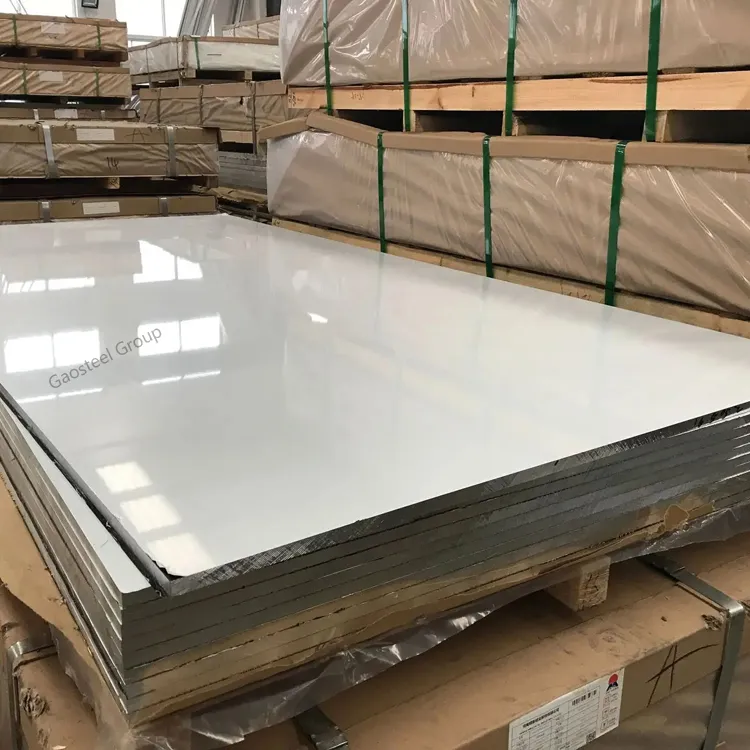
Understanding Aluminum Plate Alloy Systems for Marine Selection
Selecting the right aluminum plate grade for marine environments requires understanding the alloy numbering system that classifies aluminum by its primary alloying element. Series 1xxx alloys are commercially pure aluminum with minimum 99 percent aluminum content, offering excellent corrosion resistance but limited structural strength. Series 5xxx alloys are magnesium-alloyed aluminum, and this group includes the grades most widely recommended for seawater exposure. Series 6xxx alloys combine magnesium and silicon for a balance of strength and formability, suitable for moderate marine conditions but not the first choice for continuous saltwater immersion. Gaosteel Group produces aluminum plate across these alloy families in thicknesses from 0.2mm to 8.0mm and widths from 600mm to 2400mm, giving marine fabricators access to a broad specification range from a single ISO 9001-certified supplier.
Why 5052 Aluminum Plate Is the Industry Standard for Marine Use
Among all available grades, 5052 aluminum plate has earned the reputation as the go-to marine alloy for boat hulls, dock components, and offshore structural panels. The magnesium content of approximately 2.5 percent in 5052 aluminum plate provides a tensile strength of 170 to 305 MPa depending on temper condition, which is significantly higher than pure aluminum grades while maintaining outstanding resistance to saltwater corrosion. The 5052 alloy forms a stable oxide film in seawater that self-heals when scratched, a property that pure aluminum and 6xxx series alloys cannot match under prolonged immersion. For fabricators building vessels or marine infrastructure that will spend years in direct seawater contact, 5052 aluminum plate in H32 or H34 temper delivers the best combination of workability, weldability, and corrosion durability. Industry data consistently shows that 5052 aluminum plate retains structural integrity in marine service for over 20 years without significant pitting when properly maintained.
1060 Aluminum Plate for Less Demanding Marine Applications
1060 aluminum plate, belonging to the 1xxx series, contains 99.6 percent pure aluminum and offers the highest corrosion resistance among commercially available grades. In marine environments, 1060 aluminum plate performs well in above-waterline applications such as interior paneling, ventilation ducts, and decorative trim where structural load requirements are low. The tensile strength of 1060 aluminum plate ranges from 55 to 95 MPa, which limits its use in load-bearing marine structures but makes it ideal for non-structural corrosion-resistant installations. When cost is a primary concern and the component will not face mechanical stress in saltwater, 1060 aluminum plate provides an economical alternative to 5052 with comparable surface corrosion protection. Gaosteel Group supplies both 1060 and 5052 aluminum plate with full traceability documentation, allowing marine buyers to source complementary grades from a single manufacturer.
Comparing 5052, 1060, and 6061 Aluminum Plate for Seawater Exposure
A practical comparison helps marine engineers match aluminum plate grade to specific service conditions. 5052 aluminum plate excels in full seawater immersion and splash zone applications, offering the highest saltwater corrosion resistance combined with adequate structural strength for hull plating and dock framing. 1060 aluminum plate provides the purest corrosion surface protection but lacks the tensile strength for load-bearing use, making it suitable only for non-structural or interior marine components. 6061 aluminum plate delivers the highest mechanical strength of the three, with tensile values reaching 310 MPa in T6 temper, but its magnesium-silicon composition is less resistant to pitting in continuous saltwater exposure than 5052. For marine applications that require both strength and prolonged saltwater contact, 5052 aluminum plate remains the consensus choice. When the application calls for structural strength in a freshwater or sheltered marine environment, 6061 aluminum plate may be considered with appropriate protective coatings.
Surface Treatments and Fabrication Considerations for Marine Aluminum Plate
Even the best aluminum plate grade benefits from proper surface treatment before marine service. Anodizing 5052 or 6061 aluminum plate to a thickness of 25 to 50 micrometers creates a hard oxide layer that supplements the natural corrosion film and resists abrasion from wave action and dock contact. Mill-finished 1060 aluminum plate is typically used without additional surface treatment in interior marine applications where abrasion is not a concern. Fabrication practices also affect marine durability: welding 5052 aluminum plate with 5356 or 5556 filler wire preserves the corrosion resistance of the joint area, whereas using 4043 filler on 5052 reduces the magnesium content in the weld zone and can create a corrosion-susceptible band along the seam. Cold forming of 5052 aluminum plate in H32 temper does not significantly reduce its corrosion properties, making it compatible with standard shipyard bending and roll-forming operations.
Selecting and Verifying Marine Grade Aluminum Plate from a Supplier
Marine project procurement requires careful supplier verification to ensure that aluminum plate meets the declared alloy specification. Buyers should request mill test certificates that document chemical composition percentages for each alloying element, confirming that 5052 aluminum plate contains 2.2 to 2.8 percent magnesium per ASTM B209 or equivalent standard. Gaosteel Group, with ISO 9001 certification and 15 years of manufacturing experience, provides traceable certificates for every aluminum plate shipment. Additionally, verify that the temper designation on the certificate matches the specified condition, since the mechanical properties of 5052-H32 differ substantially from 5052-O or 5052-H34. For critical marine applications, independent third-party testing of sample aluminum plate lots for salt spray resistance per ASTM B117 provides further confidence before committing to a bulk order.
Q: Which aluminum plate grade is most resistant to seawater corrosion?
A: 5052 aluminum plate is the most resistant to continuous seawater corrosion among commercially available grades. Its magnesium content of approximately 2.5 percent forms a self-healing oxide film that prevents pitting under prolonged saltwater immersion.
Q: Can 6061 aluminum plate be used in marine environments?
A: 6061 aluminum plate can be used in sheltered or freshwater marine environments with protective coatings. It offers higher structural strength than 5052 but is less resistant to saltwater pitting and is not recommended for continuous seawater immersion without additional surface protection.
Q: What filler wire should I use when welding 5052 aluminum plate for marine structures?
A: Use 5356 or 5556 aluminum filler wire when welding 5052 aluminum plate for marine service. These filler alloys maintain the magnesium content in the weld zone and preserve corrosion resistance. Avoid 4043 filler, which reduces local magnesium and creates a corrosion-susceptible seam.
Table of Contents
- Understanding Aluminum Plate Alloy Systems for Marine Selection
- Why 5052 Aluminum Plate Is the Industry Standard for Marine Use
- 1060 Aluminum Plate for Less Demanding Marine Applications
- Comparing 5052, 1060, and 6061 Aluminum Plate for Seawater Exposure
- Surface Treatments and Fabrication Considerations for Marine Aluminum Plate
- Selecting and Verifying Marine Grade Aluminum Plate from a Supplier