EN
EN



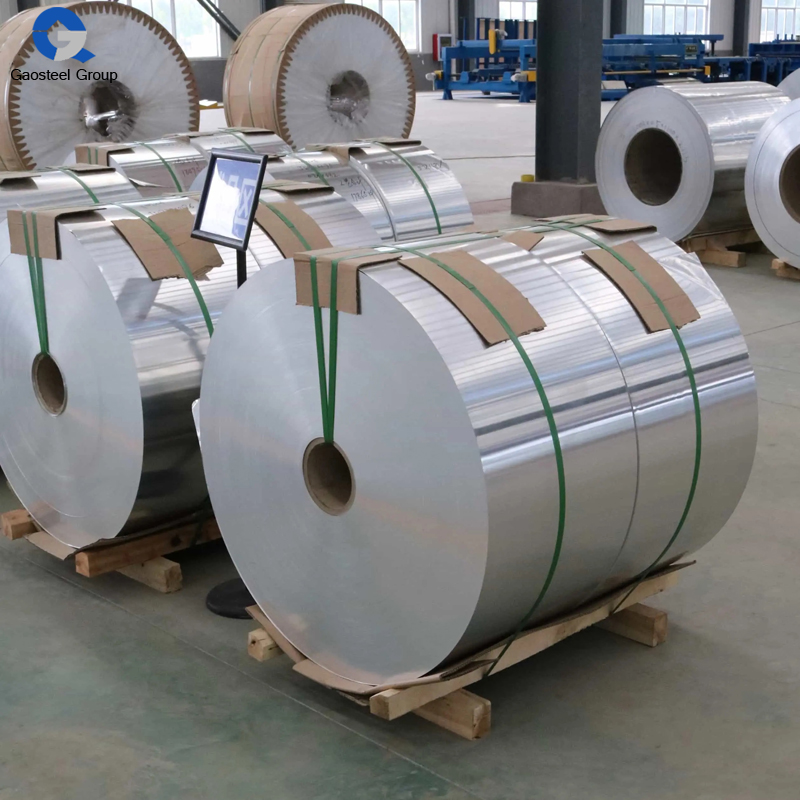
What is PPGI and How Is It Different from Regular Galvanized Iron?
PPGI coils are basically zinc coated steel with several layers of organic coating applied during a continuous roll coating process. Traditional galvanized iron depends entirely on zinc to protect against rust, but PPGI goes one step further by adding polymer based paints around 20 to 25 microns thick. These coatings not only make the material last longer, they also let manufacturers customize colors and finishes. The combination of zinc protection and polymer coatings gives PPGI about three to five times better durability compared to regular galvanized steel when used in normal weather conditions. This has been confirmed through testing under EN 10169 1 standards for pre painted metals.
Material Composition and Coating Layers of PPGI
A cross-section of PPGI reveals four functional layers:
- Base metal: Cold-rolled steel (0.3–1.2 mm thickness)
- Zinc coating: Hot-dip galvanized layer (60–275 g/m²)
- Chemical pretreatment: Chromium-free conversion coating (1–3 μm)
- Paint system: Primer (5–8 μm) + topcoat (15–20 μm)
The primer improves adhesion, while the topcoat—commonly polyester, PVDF, or SMP—determines UV resistance and color retention. Manufacturers apply these coatings at 400–600°C peak metal temperatures to ensure strong molecular bonding and long-term performance.
Coating Structure (2/1 vs 2/2): Implications for Performance
Coating structures come in different configurations, with the 2/1 setup having two layers on the front side and just one layer on the back. This saves money on materials, typically cutting costs somewhere between 12% and maybe even 18% when compared to the balanced 2/2 option. The downside? Not so great protection against corrosion on that backside surface. Salt spray tests following ASTM B117 standards show that coatings with equal layers on both sides can hold out about 40% longer before showing signs of damage. Most folks find that 2/1 works fine for things like interior walls inside buildings, but when it comes to coastal areas or any roof that gets wet from both directions, going with the full 2/2 coating becomes pretty much mandatory these days.
PPGI vs PPGL: Key Differences and When to Use Which
PPGI vs PPGL Coil Comparison: When to Choose Which?
PPGI and PPGL materials each have their own best fit scenarios in construction work. The PPGL version comes with a special coating made mostly of aluminum and zinc (around 55% aluminum, 43% zinc plus some silicon) which makes it really good at standing up to tough conditions like salt air near coasts or heavy pollution zones in cities. It can handle pretty extreme temperatures too, going all the way up to about 315 degrees Celsius without breaking down. On the other hand, PPGI uses straight zinc instead of the alloy mix, so it costs less money overall - somewhere between 3% and 11% cheaper actually - making it better suited for things inside buildings or temporary structures where budget matters more than long term durability. That said, when looking at real world performance over time, many contractors find that PPGL lasts roughly three times longer in those harsh environments despite costing more upfront. This makes sense for permanent installations on roofs exposed to weather or places with lots of sunlight exposure where material degradation happens faster.
Differences in Alloy Composition, Strength, and Durability
The key difference lies in the substrate:
- PPGI: Uses galvanized steel with a 100% zinc coating, offering affordable, basic corrosion protection.
- PPGL: Features a galvalume base (Al-Zn-Si alloy), combining zinc’s sacrificial protection with aluminum’s barrier resistance.
The real world benefits are pretty clear when looking at how these materials hold up. Take salt spray testing for instance. PPGL lasts well over 1,500 hours according to ASTM B117 standards, whereas regular PPGI only manages between 600 to 800 hours before showing signs of wear. What really sets PPGL apart though is that special aluminum coating which stops corrosion from creeping in along edges where other materials tend to fail first. Plus being lighter means we get about 3% more coverage from each ton of material, something that adds up fast on big construction projects. When engineers need steel with yield strength above 275 MPa, they usually go with PPGL because it works so well with those stronger steel grades. Construction companies have been switching to this option for years now as costs continue to rise across the industry.
Zinc Coating Levels and Corrosion Resistance in PPGI Coils
Zinc coating levels (AZ20 to AZ275): Matching to application needs
PPGI zinc coatings range from AZ20 (20 g/m²) to AZ275 (275 g/m²), with selection based on environmental exposure and required service life. Industry data shows:
| Zinc Coating (g/m²) | Typical Use Case | Expected Service Life |
|---|---|---|
| AZ20-AZ40 | Indoor HVAC components | 7-10 years |
| AZ100 | Residential roofing | 15-20 years |
| AZ275 | Coastal infrastructure | 25+ years |
Durability and corrosion resistance of PPGI coatings
The zinc layer acts as a sacrificial anode, protecting the steel through controlled oxidation. Polyester-coated AZ100 PPGI retains 90% structural integrity after 15 years in temperate climates, based on accelerated weathering tests.
Corrosion resistance in coastal vs industrial environments
In coastal zones, AZ275’s heavy zinc coating resists salt spray but requires a robust paint system. In industrial settings, chemical-resistant primers matter more than zinc thickness—AZ150 with PVDF coatings outperforms AZ275 in acidic atmospheres (pH <4).
Industry Paradox: Higher zinc doesn’t always mean longer life
Despite having 4.6x more zinc than AZ60, AZ275 shows identical 12-year field performance in sulfur-rich environments. Pollutant particulates can penetrate the zinc layer, directly attacking the substrate. As a result, engineers increasingly pair moderate zinc levels (AZ90–AZ150) with aluminum-zinc alloy undercoats for optimal protection in challenging conditions.
Paint Types, Color Selection, and Environmental Performance
Paint types for PPGI coil (polyester, SMP, HDP, PVDF): A lifecycle analysis
The choice of paint system impacts longevity, appearance, and environmental resilience. The four main types—polyester, SMP (Silicone Modified Polyester), HDP (High Durability Polyester), and PVDF (Polyvinylidene Fluoride)—vary significantly in performance:
| Coating Type | Durability | UV Resistance | Typical Lifespan | Best Use Cases |
|---|---|---|---|---|
| Polyester | Moderate | Good | 10-15 years | Indoor/general outdoor |
| SMP | High | Excellent | 15-20 years | High-UV regions |
| HDP | Very High | Superior | 20-25 years | Industrial environments |
| PVDF | Exceptional | Extreme | 30-40 years | Coastal/desert applications |
Polyester works well enough for places with gentle weather, though anyone who has installed it near the coast knows it starts to break down pretty quickly when exposed to strong sunlight or salty air. Silicone modified polyester takes things up a notch by adding those special silicone ingredients that help fight off the elements, which is why we see it so much in areas with lots of sun. For factories dealing with all sorts of nasty chemicals floating around, high density polyethylene stands out as a tough choice. And then there's PVDF with its amazing fluorocarbon foundation that just keeps going and going even in brutal environments. Some tests show these materials can keep their vibrant colors intact for decades despite sitting out in deserts where temperatures swing wildly day to night.
Environmental regulations favor low-VOC coatings, driving adoption of SMP and PVDF. However, polyester remains popular for budget-sensitive projects with shorter service expectations. When selecting PPGI, prioritize coating performance aligned with environmental exposure and maintenance plans—not just initial cost.
Selecting the Right PPGI Coil: Application, Cost, and Supplier Considerations
Matching PPGI specifications to application environments (indoor, outdoor, coastal)
When choosing PPGI materials, environmental factors play a major role in decision making. For coastal regions where salt air takes its toll, specifiers generally go with AZ150 zinc coated sheets paired with PVDF paint coatings to stand up against corrosive salt spray according to ASTM B117 testing protocols. Industrial settings present different challenges altogether, so many manufacturers opt for SMP coated AZ100 coils which offer better protection against chemicals commonly found in manufacturing facilities. Inside buildings away from harsh outdoor elements, AZ40 to AZ60 grades work just fine with regular polyester paints. The Galvanizing Industry Report released last year backs this up, showing these indoor specifications hold up well over time without unnecessary expense.
Lifecycle cost of PPGI vs traditional coatings: Long-term value analysis
Although PPGI costs 20–35% more upfront than bare galvanized steel, its 25–40 year lifespan in moderate climates (compared to 10–15 years for uncoated alternatives) results in 15–30% lower total ownership costs, according to NACE International's 2024 corrosion study. Key cost advantages include:
| Cost Factor | PPGI Advantage | Traditional Coating Risk |
|---|---|---|
| Maintenance | 60% lower | Annual touch-ups required |
| Replacement Cycle | 2-3x longer | Frequent material degradation |
How to choose a reliable PPGI/PPGL steel coil supplier: Quality benchmarks
Reputable suppliers should provide:
- Third-party verified coating thickness reports (minimum 20μm for outdoor use)
- Certifications confirming compliance with ASTM A653/A653M standards
- Color consistency guarantees (±0.5 ΔE per ASTM D2244)
Suppliers with ISO 9001 certification had 83% fewer coating defect claims than uncertified providers, according to the 2024 Steel Quality Survey.
Strategy: Verifying mill test certificates and coating thickness reports
Always validate these four critical documents:
- Mill Test Certificate (MTC) for substrate properties
- Coating Weight Certificate (CWC) showing zinc distribution
- Paint Qualification Report (PQR) confirming UV resistance
- Batch Consistency Report (BCR) for color uniformity
Third-party verification through organizations like ASTM International reduces specification errors by 74%, based on their 2023 compliance study.
FAQs
What is PPGI used for?
PPGI is used extensively in construction for roofing, walls, and facades. It's also common in home appliances and automotive manufacturing due to its durability and customizability.
How long does PPGI last?
Depending on environmental exposure and paint type, PPGI can last from 10 to 40 years.
What differentiates PPGI and PPGL?
PPGI uses a zinc coating, while PPGL uses a galvalume coating (aluminum, zinc, and silicon), offering better corrosion resistance.
What affects the cost of PPGI?
The cost is influenced by the coating type, zinc level, paint system, and supplier reliability.
What are the common paint types for PPGI?
Common paint types for PPGI include Polyester, SMP, HDP, and PVDF, each providing varying levels of durability and UV resistance.
Table of Contents
- What is PPGI and How Is It Different from Regular Galvanized Iron?
- Material Composition and Coating Layers of PPGI
- Coating Structure (2/1 vs 2/2): Implications for Performance
- PPGI vs PPGL: Key Differences and When to Use Which
- Zinc Coating Levels and Corrosion Resistance in PPGI Coils
- Paint Types, Color Selection, and Environmental Performance
-
Selecting the Right PPGI Coil: Application, Cost, and Supplier Considerations
- Matching PPGI specifications to application environments (indoor, outdoor, coastal)
- Lifecycle cost of PPGI vs traditional coatings: Long-term value analysis
- How to choose a reliable PPGI/PPGL steel coil supplier: Quality benchmarks
- Strategy: Verifying mill test certificates and coating thickness reports
- FAQs